
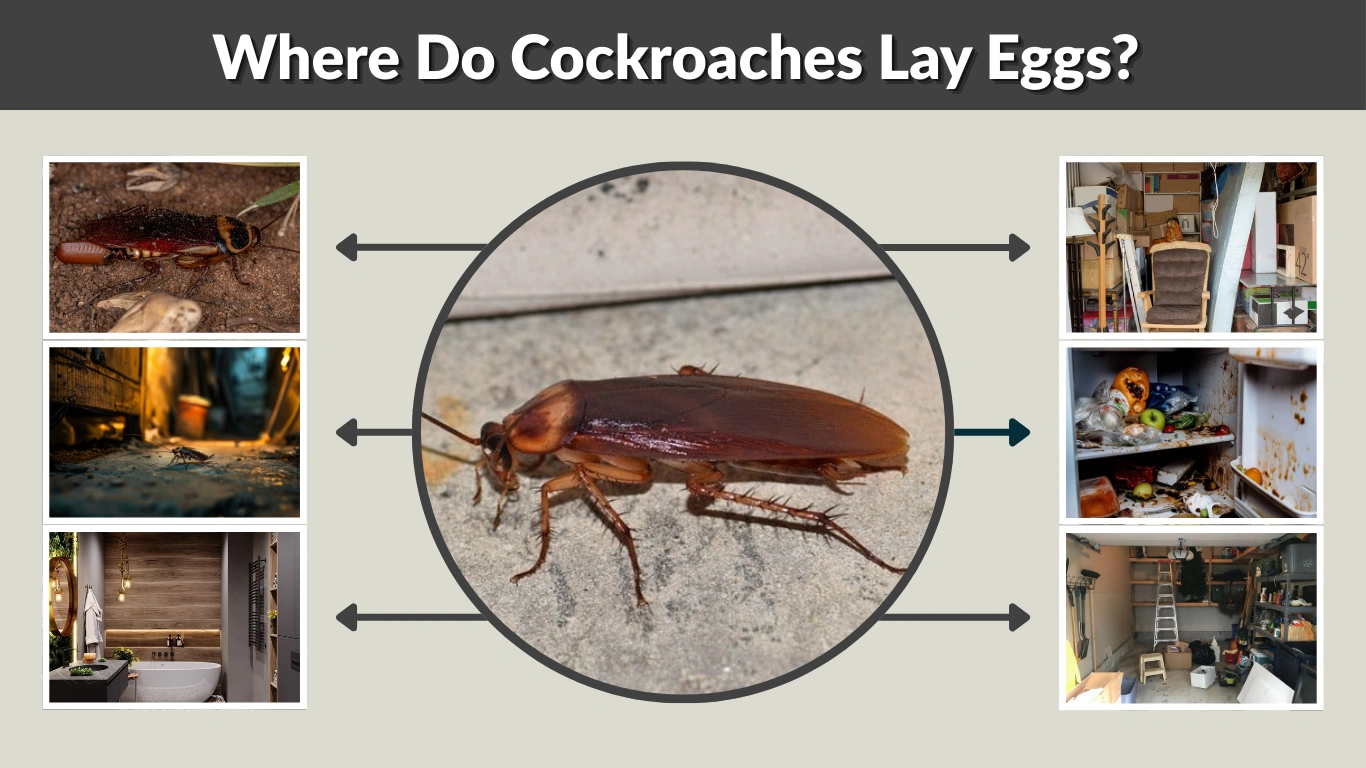
Cockroaches are resilient pests, well known for their ability to adapt and reproduce quickly. One of the main reasons infestations grow so rapidly is their egg-laying habits. A single egg case can release dozens of nymphs, meaning that knowing where cockroaches lay eggs is vital for early detection and prevention. Different species prefer different egg-laying sites, but they all choose warm, moist, and hidden areas where the eggs are protected until hatching.
General Egg-Laying Habits of Cockroaches
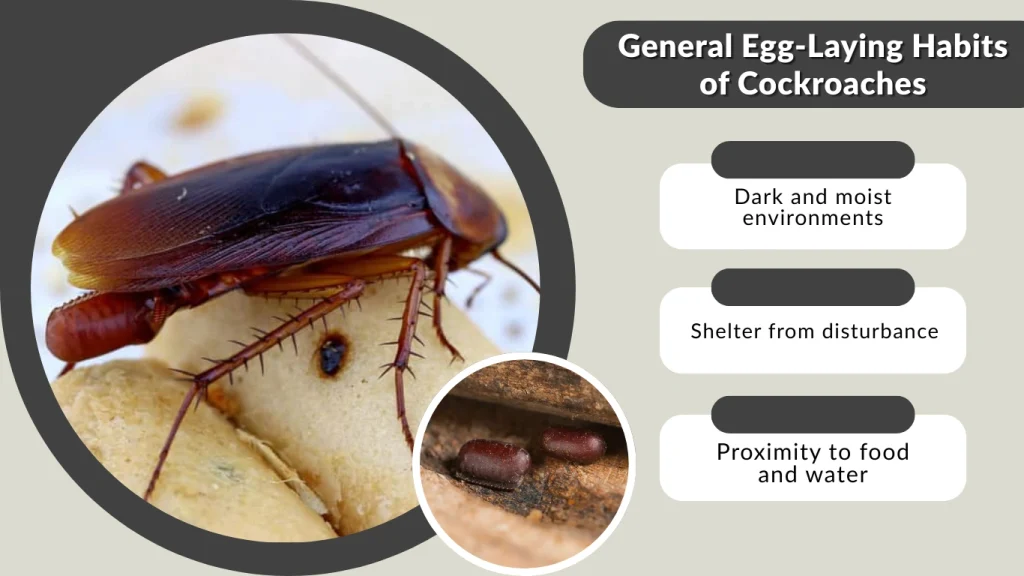
Cockroaches do not usually lay eggs individually. Instead, they produce oothecae, or egg cases, which are capsule-shaped structures containing multiple embryos. Depending on the species, one case may hold anywhere from 16 to 50 eggs.
The common characteristics of cockroach egg-laying include:
- Dark and moist environments: Eggs need humidity to develop.
- Shelter from disturbance: Hidden cracks, crevices, or cluttered areas.
- Proximity to food and water: Ensuring nymphs have access once they hatch.
These traits explain why cockroaches often lay eggs in kitchens, bathrooms, and other places where moisture and food are available.
Where Do Cockroaches Lay Eggs Indoors?
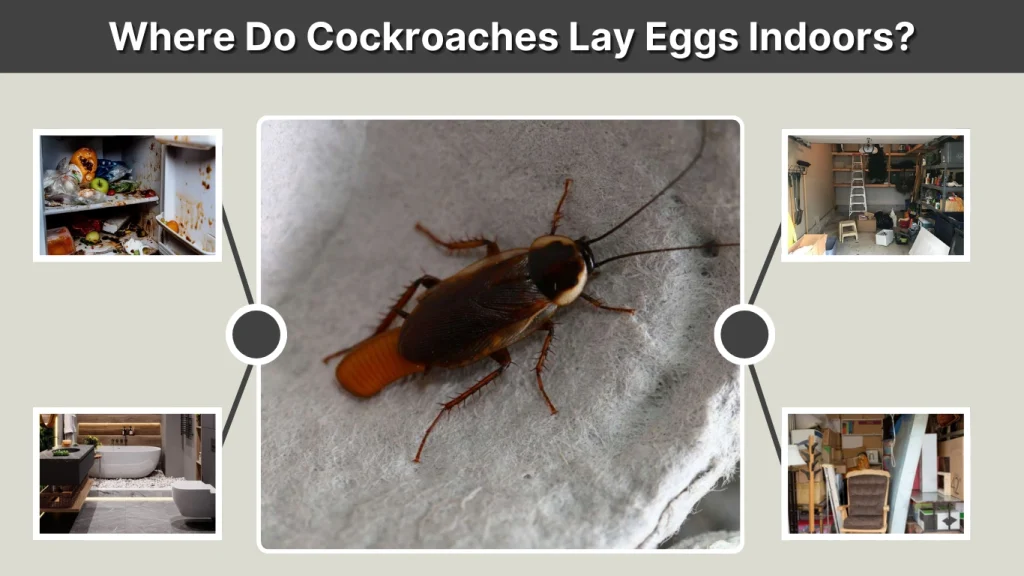
Inside homes, cockroaches look for safe, damp, and hidden spots to deposit their egg cases. Common indoor egg-laying sites include:
- Kitchens: Behind stoves, refrigerators, and dishwashers, or inside cabinets and cracks near sinks. Food scraps and water leaks make kitchens prime egg-laying locations.
- Bathrooms: Around sinks, tubs, drains, and plumbing lines. The moisture and warmth create ideal conditions for egg development.
- Basements and crawl spaces: Dark and humid areas attract cockroaches to lay their eggs in corners, storage boxes, or wall cracks.
- Furniture and storage: Eggs may also be found inside upholstered furniture, cardboard boxes, and clutter, where they remain hidden from view.
Because cockroach eggs are small and blend with their surroundings, infestations can go unnoticed until nymphs emerge.
Where Do Cockroaches Lay Eggs Outdoors?
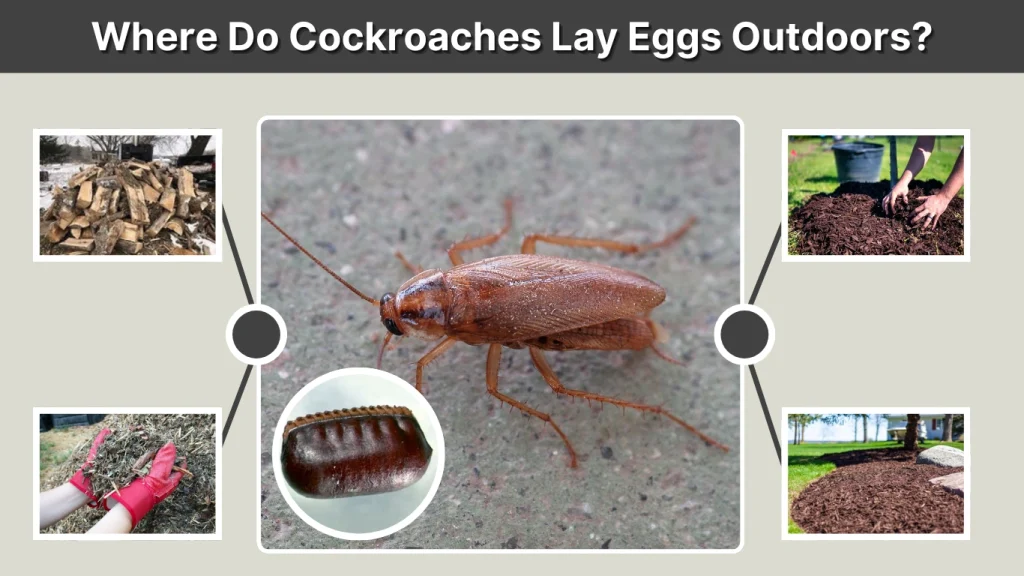
Cockroaches that thrive outdoors typically lay their eggs in places that provide moisture and cover. These include:
- Leaf litter and mulch: Decomposing organic matter provides both food and shelter.
- Decaying wood and logs: Wood cockroaches, in particular, prefer laying eggs under bark or inside rotting logs.
- Firewood piles and sheds: Stored wood near homes often becomes a breeding ground, especially if it remains damp.
- Soil and shaded spots: Some cockroaches place eggs directly in loose soil or under stones where moisture is high.
These outdoor egg sites are often the source of cockroaches wandering indoors, especially during rainy seasons when natural habitats flood.
Species-Specific Egg-Laying Locations
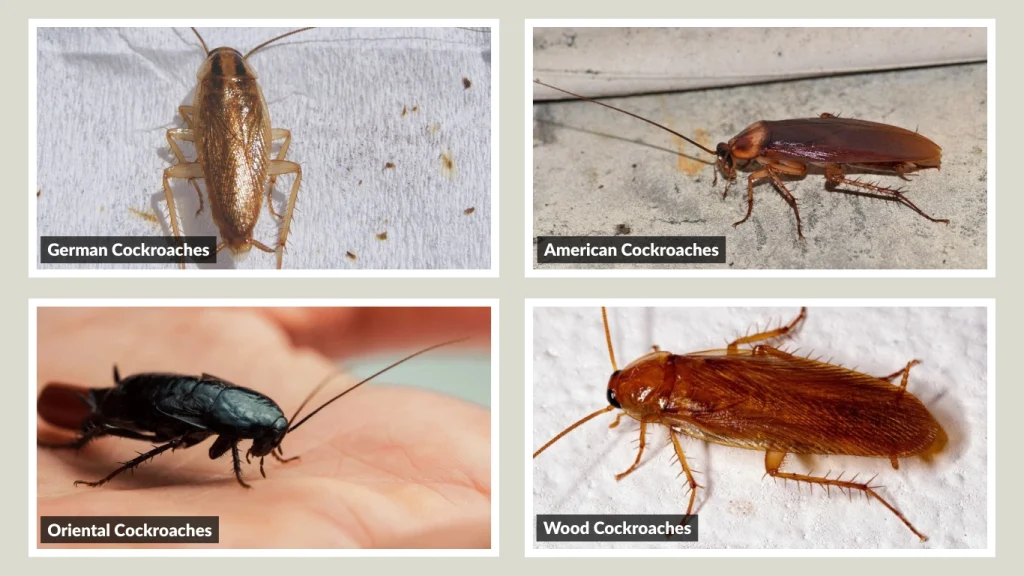
German Cockroaches
German cockroaches are notorious for infesting homes. Their females carry egg cases until hatching, making them harder to spot. Typical egg-laying or carrying locations include:
- Kitchens and bathrooms near food and water sources.
- Cracks in cabinetry, around sinks, and behind appliances.
- Small, hidden crevices where the eggs are shielded from cleaning and light.
Because each German cockroach ootheca contains 30–40 eggs, even a small number of females can cause a severe infestation in weeks.
American Cockroaches
American cockroaches prefer dark, moist locations for egg deposition. Females usually deposit their oothecae and glue them to surfaces. Egg-laying sites include:
- Basements and crawl spaces with high humidity.
- Behind refrigerators, under sinks, or near floor drains.
- Outdoors in mulch, woodpiles, or sewer areas.
Their reddish-brown oothecae are larger and often easier to detect than those of German cockroaches.
Oriental Cockroaches
Oriental cockroaches, often called “water bugs,” thrive in cooler, damp environments. They commonly lay eggs:
- In basements and sewers, where moisture levels are high.
- Under piles of debris, leaf litter, or stones.
- Near leaking pipes and drains inside buildings.
Their egg cases are darker and slightly larger, making them distinct from German cockroach eggs.
Wood Cockroaches
Wood cockroaches are primarily outdoor insects and rarely reproduce inside homes. Their egg-laying habits focus on natural environments, including:
- Rotting logs and decayed tree bark.
- Woodpiles stored outdoors.
- Leaf litter and compost piles.
If wood cockroaches accidentally enter homes, they usually cannot survive long enough indoors to lay eggs. This makes them less of a concern for household infestations, but they can still appear seasonally if firewood is brought inside.
Factors Influencing Egg-Laying Sites
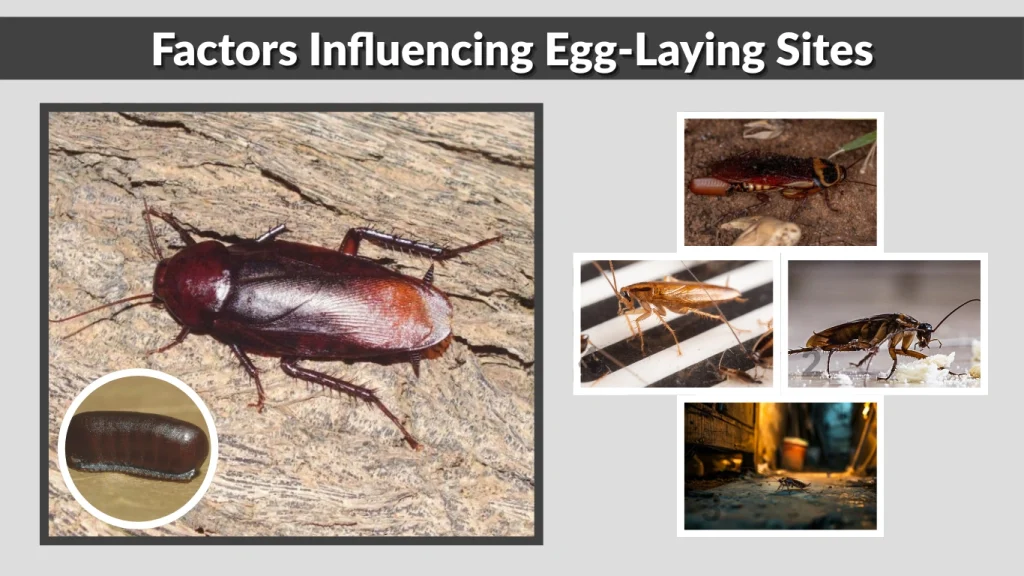
Cockroach egg-laying locations vary depending on several environmental factors:
- Moisture and humidity: High moisture levels support egg survival.
- Access to food: Proximity to food scraps, organic matter, or decaying materials.
- Shelter and safety: Dark crevices protect eggs from predators and human activity.
- Climate and seasons: Warm weather accelerates egg development, while colder climates push roaches indoors.
Understanding these factors helps explain why cockroaches may choose one part of a home over another.
Why Knowing Egg Locations Matters
Recognizing where cockroaches lay eggs is crucial for effective pest control. Egg cases represent the next generation of an infestation. A single ootheca can release dozens of cockroaches, which then reproduce quickly.
The main reasons early identification matters include:
- Stopping infestations before they spread.
- Preventing allergic reactions triggered by cockroach allergens found in droppings and egg casings.
- Reducing contamination risks in kitchens and food storage areas.
By identifying and removing eggs, homeowners can break the reproductive cycle and manage infestations more effectively.
Prevention and Control
Reduce Moisture
- Fix leaking pipes, faucets, and drains.
- Use dehumidifiers in basements and crawl spaces.
- Keep kitchens and bathrooms well-ventilated.
Eliminate Hiding Spots
- Declutter storage areas and avoid cardboard boxes, which cockroaches love.
- Clean under appliances and inside cabinets regularly.
- Store firewood away from the house and off the ground.
Seal Entry Points
- Caulk cracks around doors, windows, and plumbing lines.
- Install door sweeps and repair damaged screens.
- Check attic vents and crawl space openings.
Egg Removal and Professional Help
If egg cases are found:
- Vacuum them immediately and seal the vacuum bag before disposal.
- Clean the area with disinfectant to remove any residual allergens.
- For recurring issues, contact professional pest control, which may use insect growth regulators (IGRs) to disrupt reproduction cycles.
.
FAQs
Where do cockroaches usually lay their eggs?
Cockroaches typically lay eggs in dark, moist, and hidden spots. Indoors, these include kitchens, bathrooms, basements, and behind appliances. Outdoors, eggs are often found in mulch, woodpiles, and decaying logs.
Do cockroaches lay eggs in furniture or clothing?
While uncommon, cockroaches may deposit eggs in furniture crevices, folded clothing, or cluttered storage areas during severe infestations. They generally prefer kitchens and bathrooms first.
How many eggs are inside one cockroach egg case?
Each egg case, called an ootheca, may contain anywhere from 16 to 50 eggs depending on the species. German cockroaches produce the largest numbers per case.
Do American and German cockroaches lay eggs differently?
Yes. German cockroaches usually carry the egg case until hatching, while American cockroaches glue their oothecae to surfaces in dark, damp locations.
What is the best way to prevent cockroaches from laying eggs in my home?
Reduce moisture, seal cracks, keep kitchens and bathrooms clean, and remove clutter. Storing firewood away from the house and using professional pest control for infestations also helps.