
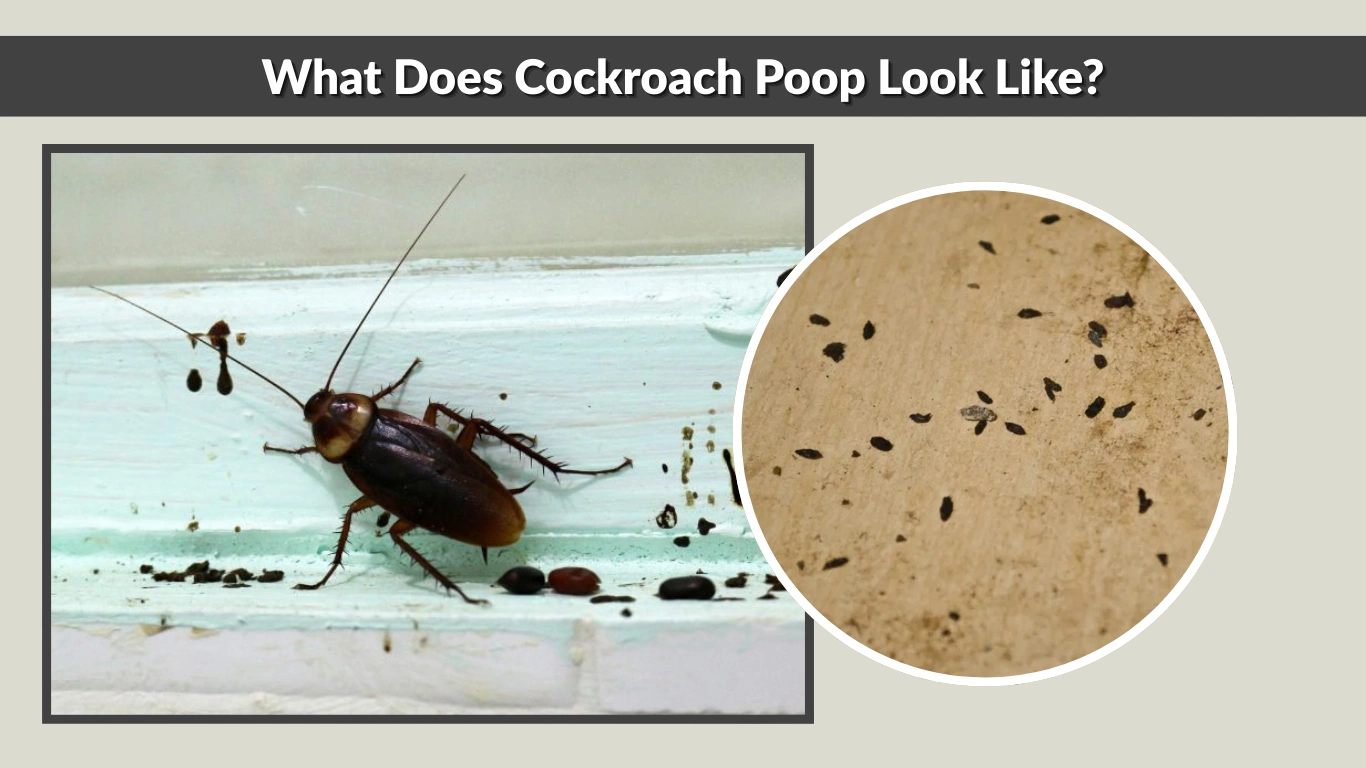
Cockroaches are among the most unwelcome pests in homes and businesses, not only because of their unsettling appearance but also due to the mess they leave behind. One of the clearest indicators of an infestation is cockroach droppings. Learning how to recognize these droppings is essential for early detection, effective cleanup, and preventing health risks. This guide explores what cockroach poop looks like, how to identify it, where to find it, and what steps you should take once it’s discovered.
What Cockroach Poop Looks Like
Cockroach droppings vary depending on the species and size of the insect. In general, they are small, dark, and resemble coffee grounds or black pepper. Larger roaches leave behind pellet-shaped droppings, while smaller ones produce finer, grain-like waste. These droppings are often accompanied by smear marks or stains, especially in areas with heavy infestations.
Another notable feature is the musty odor often associated with cockroach waste. This smell can linger in enclosed spaces and is a telltale sign that cockroaches are active nearby.
Identification
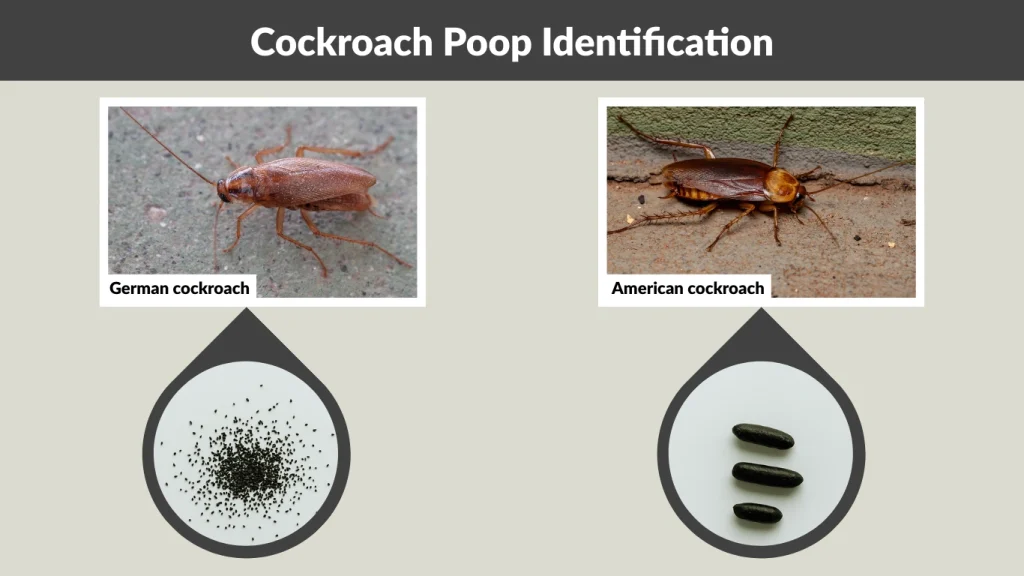
Size and Shape
- Small species (German cockroach): Their droppings are tiny, resembling black pepper flakes or ground coffee. They are often scattered in clusters near food sources or hidden crevices.
- Large species (American cockroach): These produce larger, cylindrical droppings about the size of a grain of rice. Ends are often blunt, and ridges may be visible.
Color and Texture
Cockroach poop is typically dark brown to black. Fresh droppings are moist and soft, while older ones become dry and crumbly. The gritty texture can resemble coarse dirt.
Distinguishing Features
A key difference between cockroach droppings and other pest waste is the presence of ridges or striations on larger fecal pellets. Additionally, droppings can smear into dark streaks when crushed, leaving behind visible stains.
Where to Find Cockroach Poop
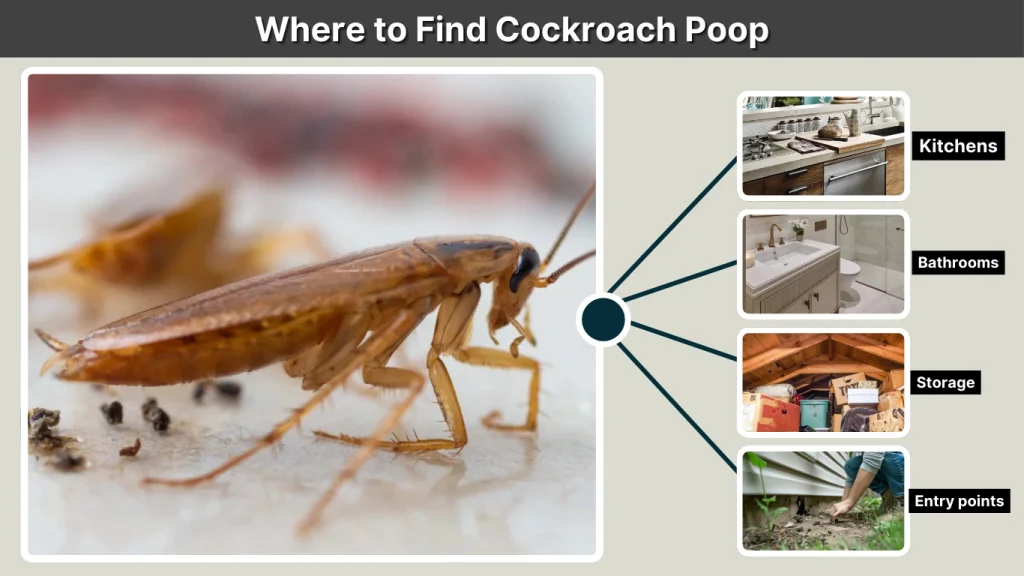
Cockroaches are nocturnal insects that thrive in dark, hidden spaces. Their droppings accumulate in areas where they feed, hide, and travel. Common locations include:
- Kitchens: Behind stoves, refrigerators, dishwashers, and inside cabinets or drawers.
- Bathrooms: Around sinks, behind toilets, and near drains.
- Storage spaces: Basements, attics, closets, or cardboard boxes where moisture is present.
- Entry points: Along baseboards, wall cracks, and beneath appliances.
Finding droppings in multiple areas usually means the infestation has spread beyond a single hiding spot.
Cockroach Poop vs. Other Pest Droppings
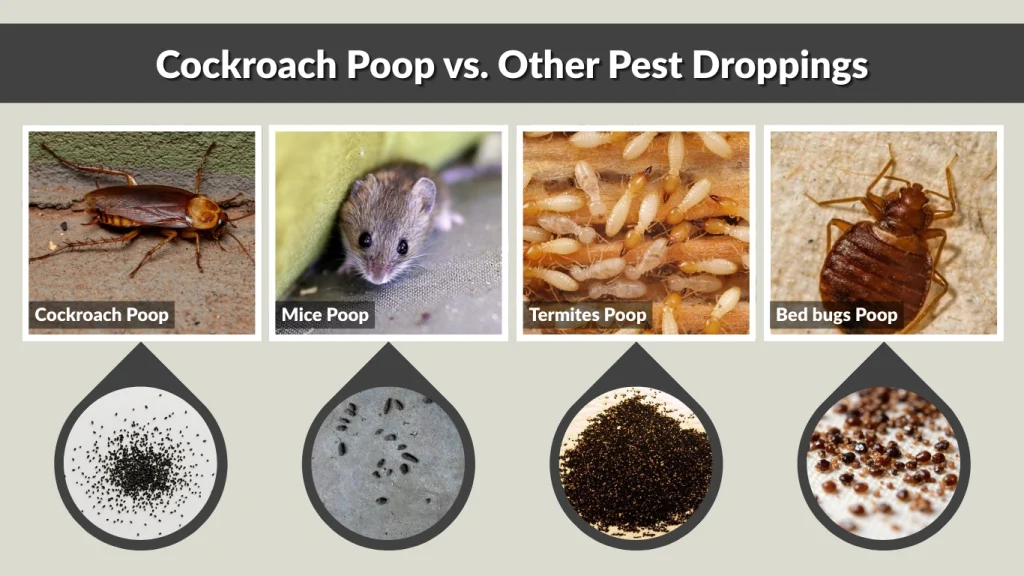
It’s easy to confuse cockroach droppings with the waste of other pests. Correct identification ensures proper treatment.
- Mice: Mouse droppings are larger than those of small roaches and have pointed ends. Cockroach droppings are smaller, darker, and more irregular.
- Termites: Termite frass resembles sawdust or tiny wood pellets and is much lighter in color. Cockroach poop is darker and more gritty.
- Bed bugs: Bed bug droppings are tiny black dots, similar to ink stains, often found on bedding. Cockroach droppings are more textured and appear in kitchens and bathrooms.
Why Cockroach Poop Matters
Cockroach droppings aren’t just unpleasant—they present serious health concerns.
- Indicator of Infestation: The amount and spread of droppings reflect the scale of the problem. Heavy deposits suggest a large, active colony.
- Health Risks: Droppings contain bacteria, including salmonella and E. coli, which can contaminate food and surfaces. They may also trigger allergies and asthma, especially in children.
- Pheromone Trails: Cockroach feces release chemical signals that attract more cockroaches to the area, worsening infestations.
Cleaning and Safety Precautions
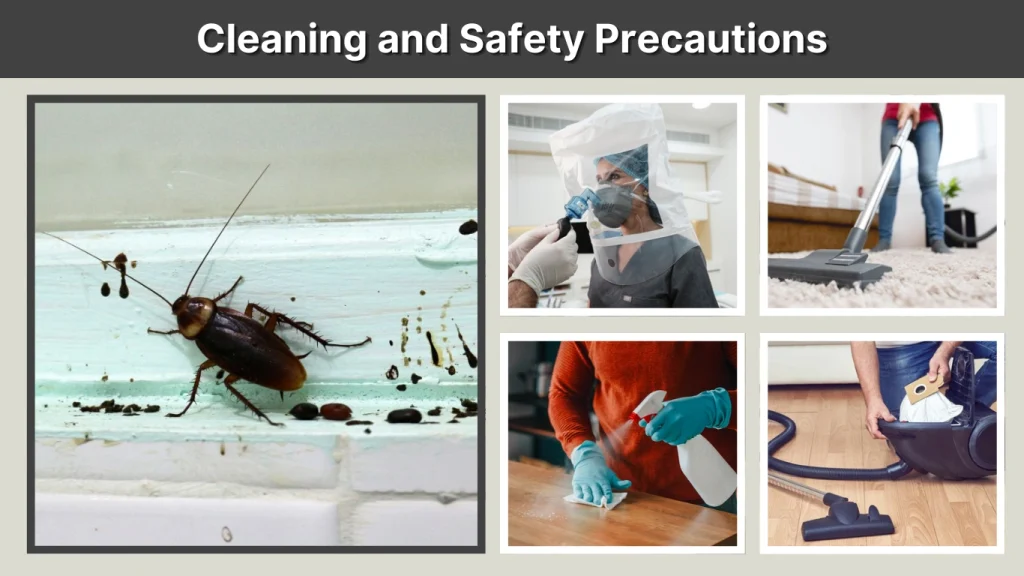
When dealing with cockroach droppings, safety is critical. The waste can spread allergens and harmful pathogens. Follow these precautions:
- Wear protection: Use gloves and a face mask to avoid direct contact and inhalation.
- Vacuum carefully: A vacuum with a HEPA filter can remove fine droppings and dust.
- Disinfect thoroughly: Clean surfaces with strong disinfectants or a bleach solution.
- Dispose properly: Seal vacuum bags and cleaning materials in plastic before discarding.
- Seal entry points: After cleaning, close cracks, gaps, and crevices to prevent reentry.
When to Call Pest Control
While spotting a few droppings may indicate early activity, large quantities suggest a severe infestation that requires professional help. Call pest control if:
- Droppings reappear after thorough cleaning.
- You find droppings in multiple rooms.
- Musty odors persist despite cleaning efforts.
- You see live cockroaches during the day (a sign of overcrowding).
Exterminators can provide targeted treatments such as bait stations, insecticides, or fumigation, ensuring long-term control.
Conclusion
Cockroach poop is one of the clearest indicators of an infestation. By recognizing its appearance—small, dark, and gritty—you can quickly assess the severity of the problem. Identifying droppings in hidden areas like kitchens, bathrooms, and storage spaces allows you to act early. Cleaning thoroughly, taking safety precautions, and calling pest control when needed will help protect your home from further damage and health risks.
FAQs
1. How can I tell if droppings are fresh or old?
Fresh droppings are dark, moist, and soft, while older ones appear dry, crumbly, and faded in color.
2. Can cockroach poop make you sick?
Yes, droppings carry bacteria and allergens that may cause food poisoning, asthma, and allergic reactions.
3. Do cockroach droppings smell?
Yes, they emit a musty, oily odor that intensifies with larger infestations.
4. How do I know if droppings belong to mice or roaches?
Mouse droppings are larger with pointed ends, while cockroach droppings are smaller, cylindrical or grain-like, and darker.
5. What should I do immediately after finding cockroach droppings?
Clean the area with gloves and disinfectants, then inspect for further signs of infestation. If droppings return, call a professional pest control service.