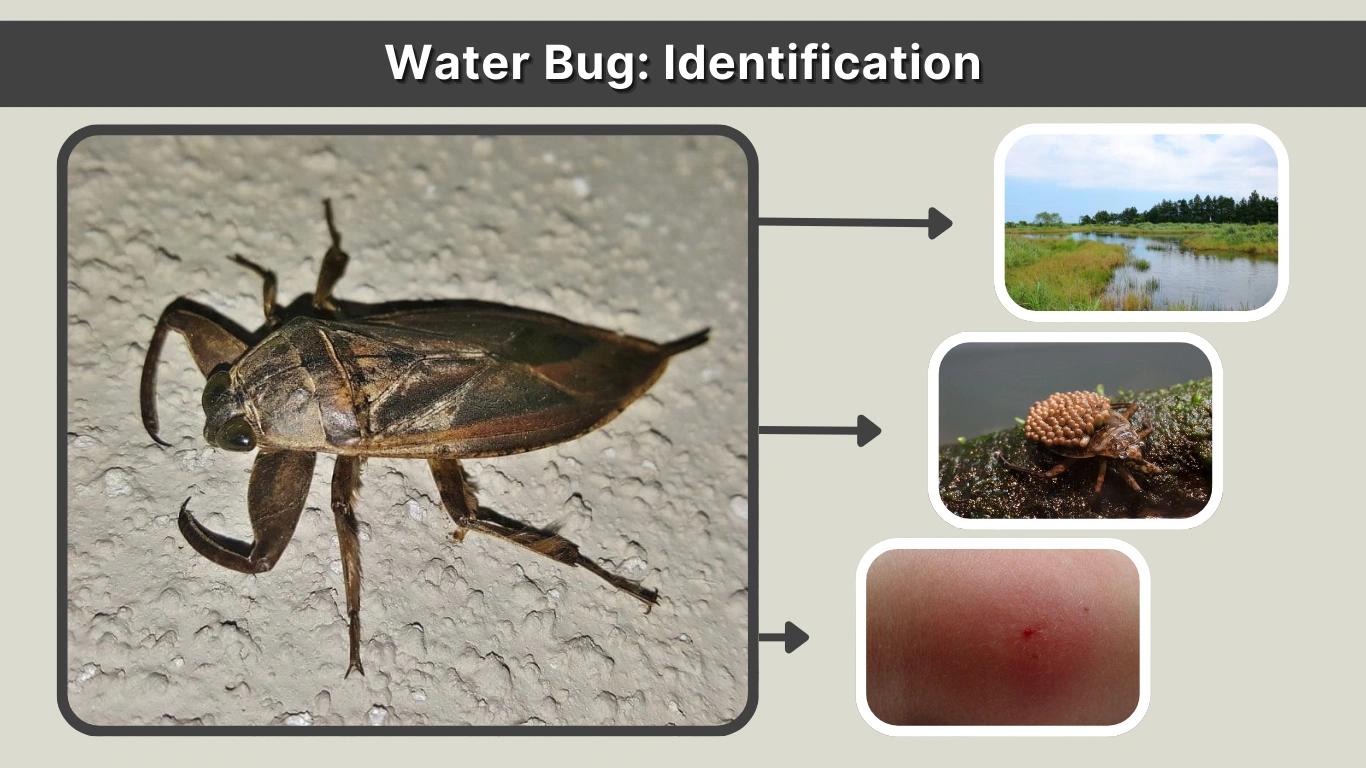
The term “water bug” is commonly used to describe large, dark insects found in or around homes, especially in damp areas like bathrooms and basements. However, not all water bugs are the same. Some are true aquatic insects, while others are actually cockroaches mislabeled as water bugs. Understanding the difference is important for proper identification and control. In this guide, you’ll learn what water bugs are, how to identify them, the different types, and how they differ from cockroaches.
What Is a Water Bug?
A “water bug” is a general term used to describe certain insects that live in or near water. Technically, true water bugs belong to the order Hemiptera and are aquatic insects. The most well-known true water bug is the giant water bug, which lives in ponds, lakes, and slow-moving streams.
However, in many households, the term water bug is incorrectly used to describe large cockroaches, particularly the American cockroach or Oriental cockroach. These insects prefer moist environments, which is why they are often seen near drains, sewers, and damp basements.
True water bugs are outdoor insects and rarely infest homes. Cockroaches, on the other hand, actively seek indoor shelter where they can find food and moisture. Because of this confusion, proper identification is the first step in dealing with a suspected water bug problem.
Water Bug Identification Guide
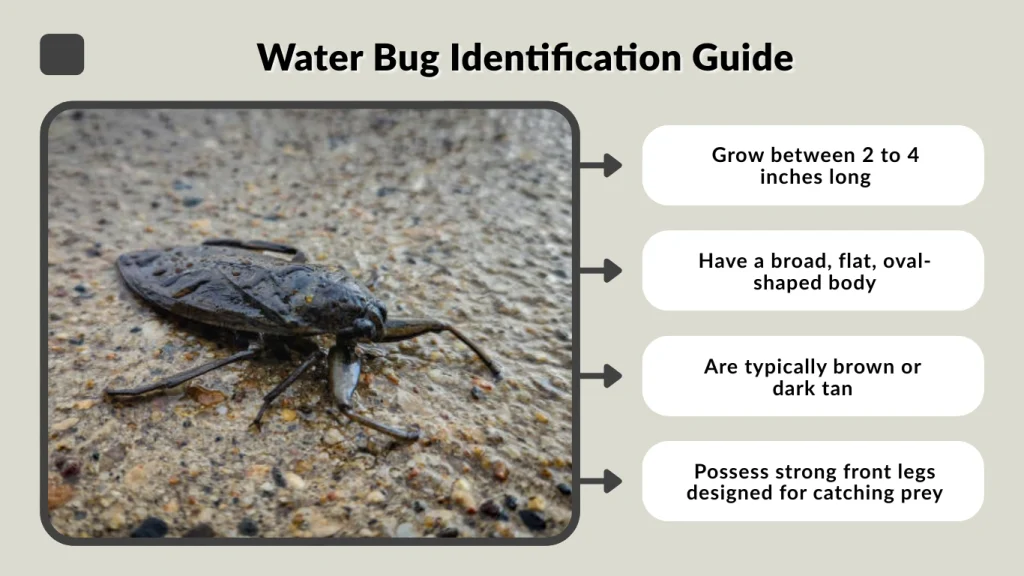
Correct identification helps determine whether you’re dealing with a harmless outdoor insect or a potential household pest.
Physical Characteristics
Water bugs and cockroaches share some similarities, but there are noticeable differences.
True water bugs:
- Grow between 2 to 4 inches long
- Have a broad, flat, oval-shaped body
- Are typically brown or dark tan
- Possess strong front legs designed for catching prey
- Have shorter antennae compared to cockroaches
Cockroaches often called water bugs:
- Usually measure 1 to 2 inches long
- Have a more elongated, oval body
- Feature very long, thin antennae
- Have spiny legs designed for running
- May appear reddish-brown (American cockroach) or dark brown to black (Oriental cockroach)
One key visual clue is antenna length. Cockroaches have long, noticeable antennae that extend beyond their body, while true water bugs have shorter ones.
Where They Are Commonly Found
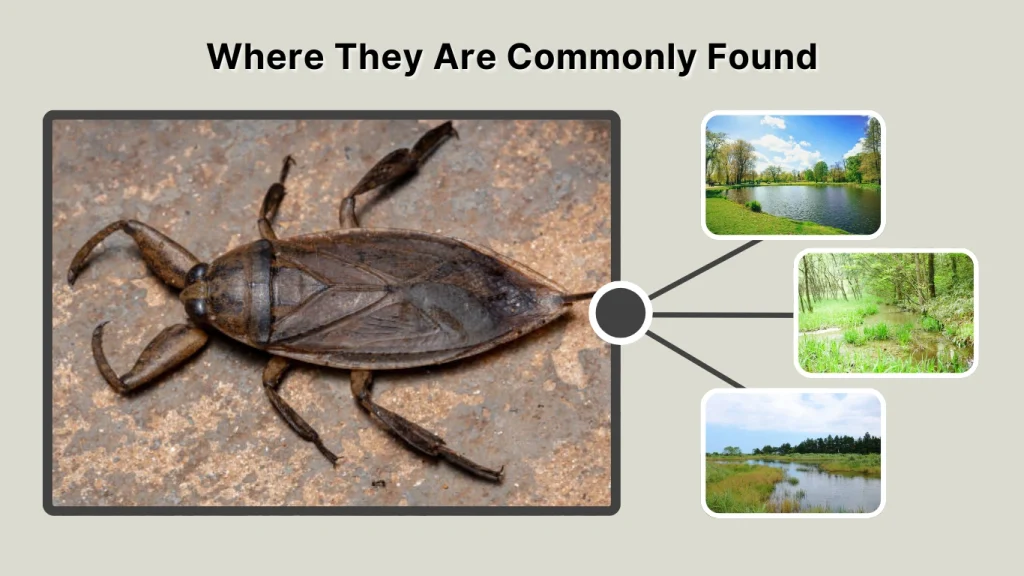
Location is another important clue when identifying water bugs.
True water bugs are found:
- In ponds and lakes
- Near outdoor water features
- In marshes and slow-moving streams
- Occasionally attracted to porch lights at night
Cockroaches mistaken for water bugs are found:
- In kitchens and bathrooms
- Near drains and sewer lines
- In basements and crawl spaces
- Around leaking pipes or standing water
If you are seeing large brown insects inside your home regularly, especially near food or garbage, you are most likely dealing with cockroaches rather than true water bugs.
Signs You May Have Water Bugs Indoors
If the insects are actually cockroaches, you may notice:
- Activity at night when lights are turned on
- A musty or oily odor in heavily infested areas
- Egg cases (oothecae) near hidden spaces
- Droppings resembling small dark specks
True water bugs do not typically reproduce indoors, so repeated sightings inside the home usually point to a cockroach issue.
Water Bug Types
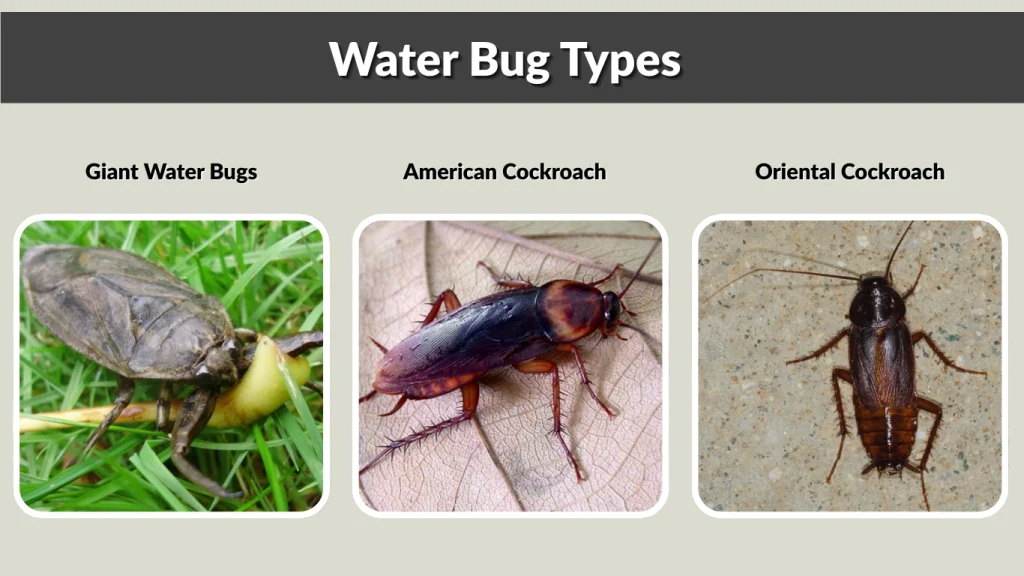
Understanding the different types of insects labeled as water bugs helps eliminate confusion.
Giant Water Bugs (True Water Bugs)
Giant water bugs belong to the family Belostomatidae. These insects are aquatic predators and can grow up to 4 inches long. They are sometimes called “toe-biters” because they may bite if handled or stepped on in shallow water.
Characteristics include:
- Large, flat bodies
- Raptorial front legs for grabbing prey
- Ability to fly between water sources
- A painful defensive bite
Despite their intimidating appearance, they are not household pests and rarely invade homes intentionally.
American Cockroach (Often Called Water Bug)
The American cockroach is one of the most common insects mistaken for a water bug. It prefers warm, damp environments and is frequently found in sewers, basements, and kitchens.
Key traits:
- Reddish-brown color
- Yellowish marking behind the head
- Long antennae
- Fast movement
This species can infest homes if food and moisture are available.
Oriental Cockroach
Oriental cockroaches are dark brown or black and prefer cool, damp areas. They are often found in basements, crawl spaces, and near drains.
They are sometimes referred to as water bugs because they thrive in moist conditions. Unlike American cockroaches, they are less likely to climb smooth surfaces but can still become a significant indoor pest.
Water Bug vs Cockroach: What’s the Difference?
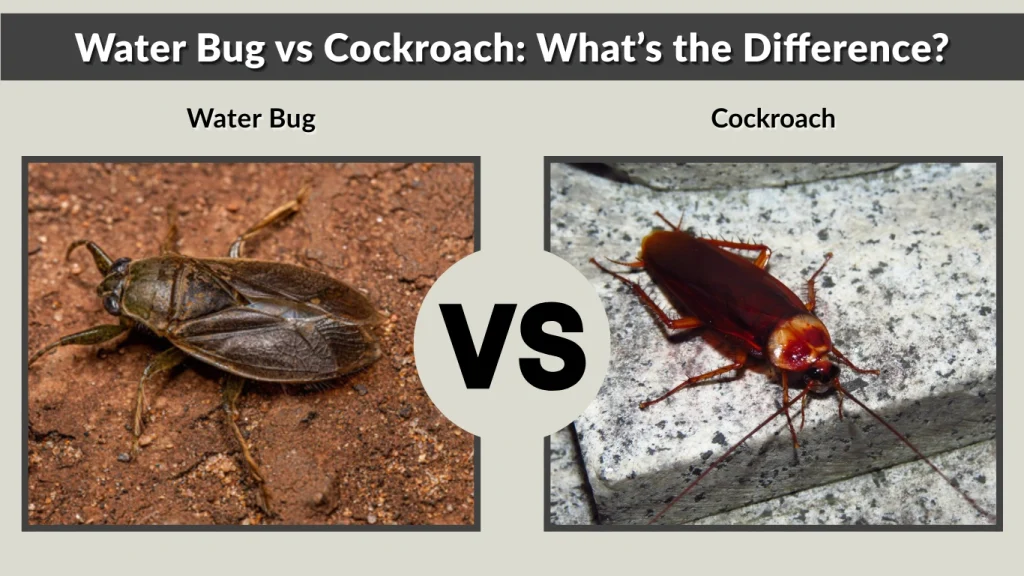
Because the terms are often used interchangeably, many people wonder whether water bugs and cockroaches are actually the same thing.
The short answer is no. True water bugs are aquatic insects that live outdoors, while cockroaches are land-dwelling scavengers that commonly infest homes.
Physical Differences
The most noticeable differences include:
- Antennae: Cockroaches have very long antennae; water bugs have shorter ones.
- Body shape: Water bugs are broader and flatter; cockroaches are more elongated.
- Front legs: Water bugs have strong grasping legs; cockroaches have spiny running legs.
- Size: True water bugs are typically larger than household roaches.
Habitat and Behavior Differences
Water bugs:
- Live in water
- Feed on small fish, insects, and tadpoles
- Rarely infest homes
- Bite only when threatened
Cockroaches:
- Live in dark, damp indoor areas
- Feed on food scraps and organic matter
- Multiply quickly indoors
- Avoid human contact but spread bacteria
If you consistently see these insects inside your home, especially in the kitchen or bathroom, you are likely dealing with cockroaches rather than true water bugs.
Water Bug Life Cycle
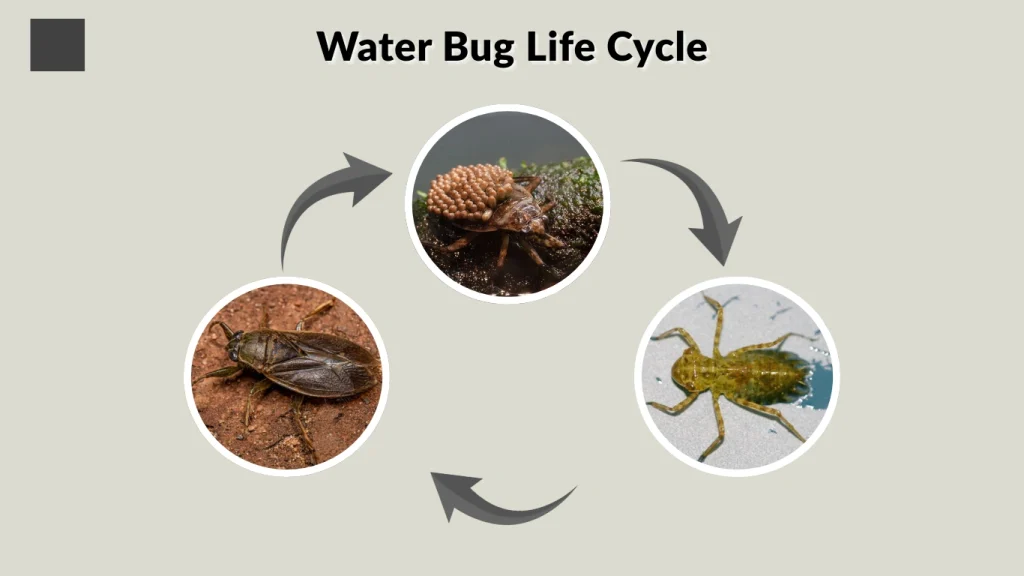
Understanding the life cycle of a water bug—or the cockroach often mistaken for one—can help explain how infestations develop and why early control is important.
Egg Stage
True water bugs lay their eggs in or near water. In some species, the female attaches eggs to aquatic plants, while in others, the male carries the eggs on his back until they hatch. The incubation period typically lasts one to two weeks, depending on temperature and environmental conditions.
Cockroaches, on the other hand, produce egg cases called oothecae. Each egg case can contain multiple eggs. These cases are often hidden in cracks, behind appliances, or near moisture sources. In warm indoor environments, eggs can hatch within a few weeks.
Nymph Stage
After hatching, young water bugs enter the nymph stage. Nymphs resemble smaller versions of adults but lack fully developed wings. As they grow, they molt several times, shedding their exoskeleton to allow for larger body size.
Cockroach nymphs also look like small adults without wings. They molt multiple times before reaching maturity. During this stage, they actively search for food and water, contributing to rapid population growth inside homes.
Adult Stage
Adult giant water bugs are strong predators that live for several months to about a year. They remain near water sources and continue feeding and reproducing during warm seasons.
Adult cockroaches can live for several months as well, depending on the species and environment. Indoors, where food and warmth are readily available, they can reproduce quickly. A single female cockroach may produce many egg cases in her lifetime, leading to a growing infestation if not addressed.
Understanding this life cycle highlights why eliminating eggs and moisture sources is essential when dealing with indoor “water bug” problems.
Water Bug Infestation
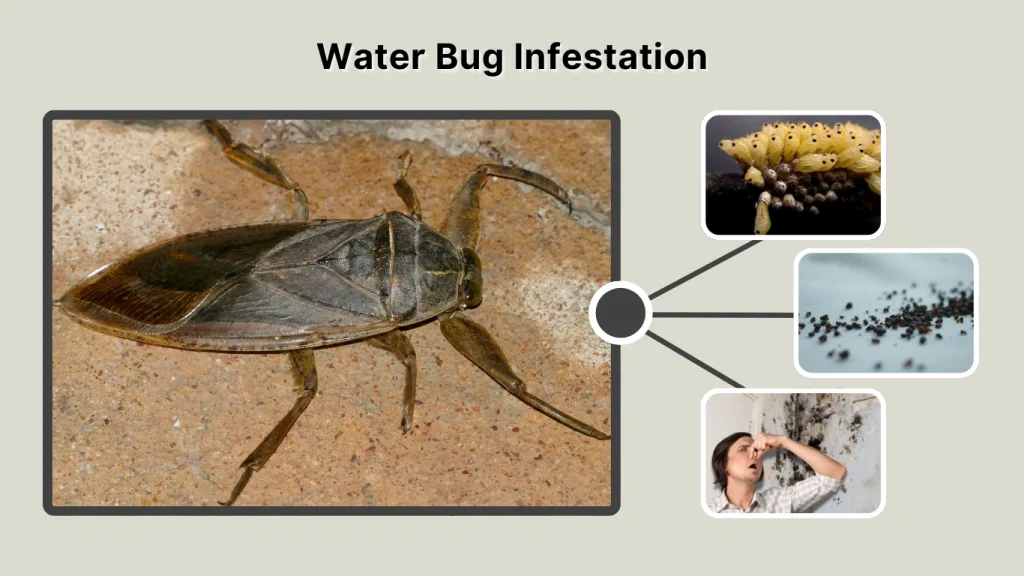
True water bugs rarely infest homes. If you are experiencing repeated sightings indoors, you are most likely dealing with cockroaches.
What Causes an Infestation?
Several factors attract cockroaches often called water bugs:
- Excess moisture from leaks or poor ventilation
- Food crumbs or uncovered garbage
- Dirty drains or clogged pipes
- Cracks in walls, foundations, or door gaps
- Sewer backups or plumbing issues
Moisture is one of the biggest attractants. Bathrooms, kitchens, laundry rooms, and basements are common hotspots because they provide both water and shelter.
Warning Signs of an Infestation
You may have a developing infestation if you notice:
- Frequent sightings, especially during the day
- Egg cases in hidden corners
- Droppings that look like black pepper or coffee grounds
- A strong, musty odor in enclosed spaces
Seeing one insect occasionally does not always mean there is a large infestation. However, repeated sightings usually indicate a breeding population nearby.
How to Get Rid of Water Bugs
Effective control depends on accurate identification. If the issue involves cockroaches, the following steps can help:
- Eliminate moisture by fixing leaks and improving ventilation.
- Seal cracks and gaps around doors, windows, and plumbing lines.
- Keep food sealed and clean up crumbs immediately.
- Use bait stations or gel baits designed for cockroach control.
- Clean drains regularly to remove organic buildup.
For severe infestations, professional pest control services may be necessary. Experts can identify nesting areas and apply targeted treatments safely and effectively.
Water Bug Bite: Should You Be Concerned?
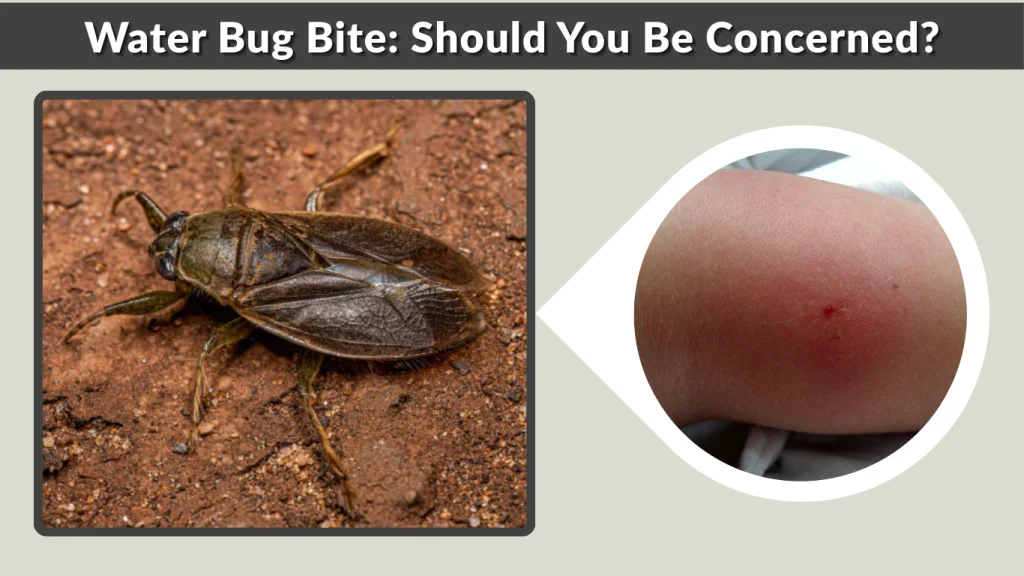
Many people worry about whether water bugs bite.
True giant water bugs can bite if handled or accidentally stepped on. Their bite is defensive and can be quite painful, sometimes compared to a bee sting. Symptoms may include redness, swelling, and temporary discomfort. However, these insects do not actively seek to bite humans.
Cockroaches rarely bite people. In extremely large infestations, they may nibble on food residue near the mouth or hands while someone sleeps, but this is uncommon. The greater concern with cockroaches is contamination, as they can spread bacteria by walking across food and surfaces.
Symptoms of a Water Bug Bite
If bitten by a true water bug, you may experience:
- Sharp, immediate pain
- Redness and swelling
- Mild inflammation
Most bites heal on their own within a few days.
Treatment and Prevention
Basic first aid includes:
- Washing the area with soap and water
- Applying a cold compress to reduce swelling
- Using an over-the-counter antihistamine or pain reliever if needed
Preventing bites mainly involves avoiding handling unknown insects and reducing indoor pest activity through proper home maintenance.
How to Prevent Water Bugs in Your Home
Prevention focuses largely on moisture control and sanitation.
- Repair leaking faucets and pipes promptly.
- Use dehumidifiers in damp basements.
- Clean drains with enzyme-based cleaners.
- Store food in airtight containers.
- Take out trash regularly and keep bins sealed.
- Seal cracks and gaps around your home’s foundation.
- Maintain outdoor areas by clearing debris and trimming vegetation away from walls.
Reducing moisture and entry points makes your home far less attractive to cockroaches and other pests.
FAQs
Are water bugs and cockroaches the same?
No. True water bugs are aquatic insects that live outdoors, while cockroaches are land-based pests that often infest homes. The confusion comes from certain cockroach species being commonly labeled as water bugs due to their preference for damp environments.
Why do I see water bugs in my bathroom?
Bathrooms provide moisture and warmth, which attract cockroaches. Leaky pipes, damp towels, and drains create ideal conditions for them to survive.
Are water bugs dangerous?
True water bugs can deliver a painful bite if handled, but they are not aggressive. Cockroaches pose health concerns mainly because they can contaminate food and trigger allergies.
How long do water bugs live?
True water bugs typically live several months to about a year. Cockroaches may live several months indoors, depending on species and environmental conditions.