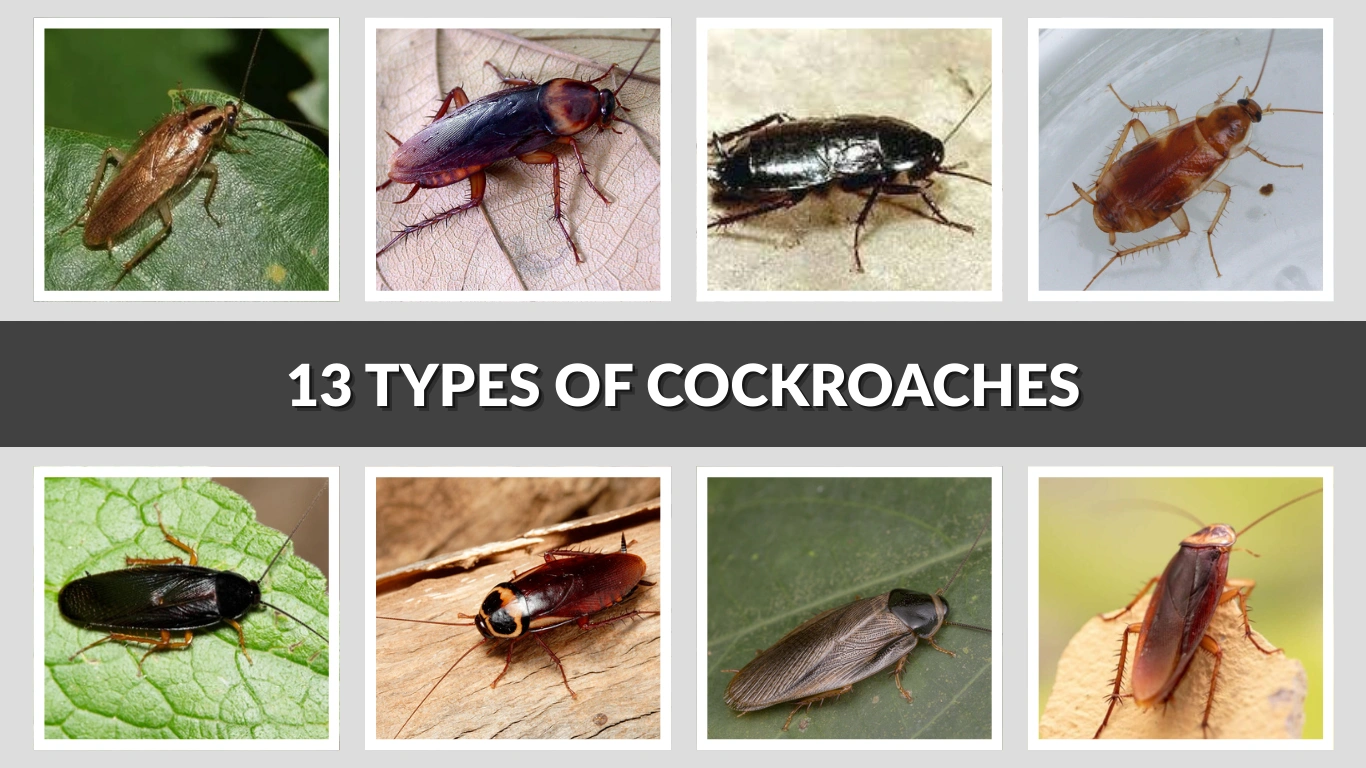
Cockroaches are among the most persistent household pests, thriving in a wide range of environments. While some species prefer outdoors, many invade homes in search of food, water, and shelter. Understanding the different types is crucial for effective control. Here are 13 common cockroach species often encountered in households, along with their habits and risks.
1. German Cockroach
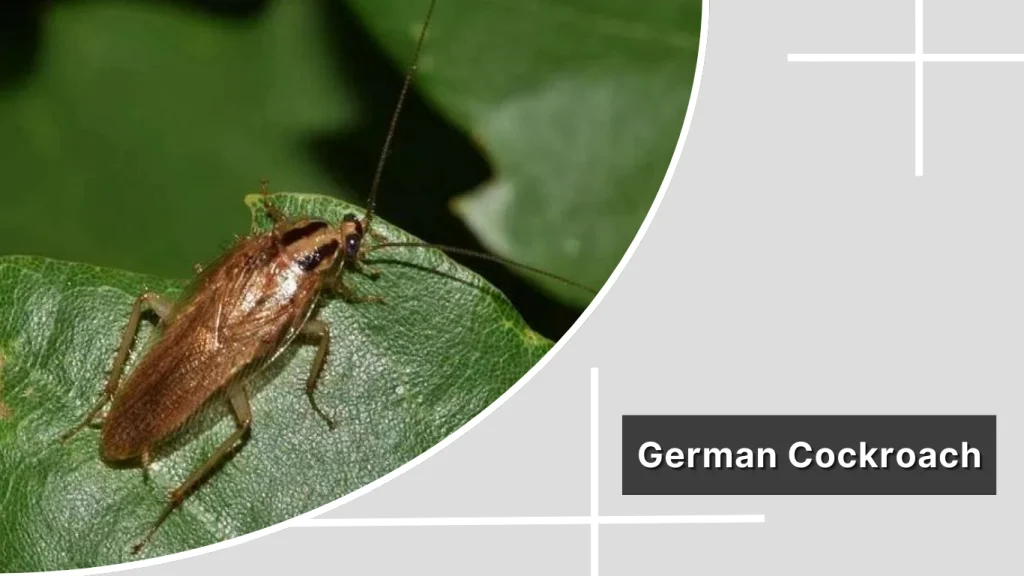
The German cockroach (Blattella germanica) is the most common indoor cockroach species worldwide. Known for its rapid reproduction and adaptability, it thrives in kitchens, bathrooms, and other warm areas. Infestations spread quickly, making this species one of the hardest household pests to control.
Identification
- Size: About ½ inch long, smaller than many other cockroaches
- Color: Light brown to tan
- Markings: Two dark parallel stripes on the pronotum (shield behind the head)
- Wings: Present but rarely used for flight
- Movement: Quick runners, especially at night
Common Hiding Places in Homes
German cockroaches prefer warm, humid, and dark areas close to food and water. They hide in cracks and crevices behind stoves, refrigerators, dishwashers, sinks, and inside cabinets. Bathrooms also provide suitable habitats due to moisture.
Lifecycle and Feeding Habits
Females produce oothecae (egg cases) carrying 30–40 eggs. Under favorable indoor conditions, eggs hatch within one month, and nymphs mature in 2–3 months. They are omnivores, feeding on crumbs, grease, garbage, soap, glue, and even book bindings.
Health Risks and Dangers
German cockroaches spread bacteria, contaminate food, and trigger allergies. Their droppings, saliva, and shed skins are major asthma triggers, particularly in children. Because of their fast breeding and resistance to many insecticides, infestations are difficult to manage without professional treatment.
2. American Cockroach
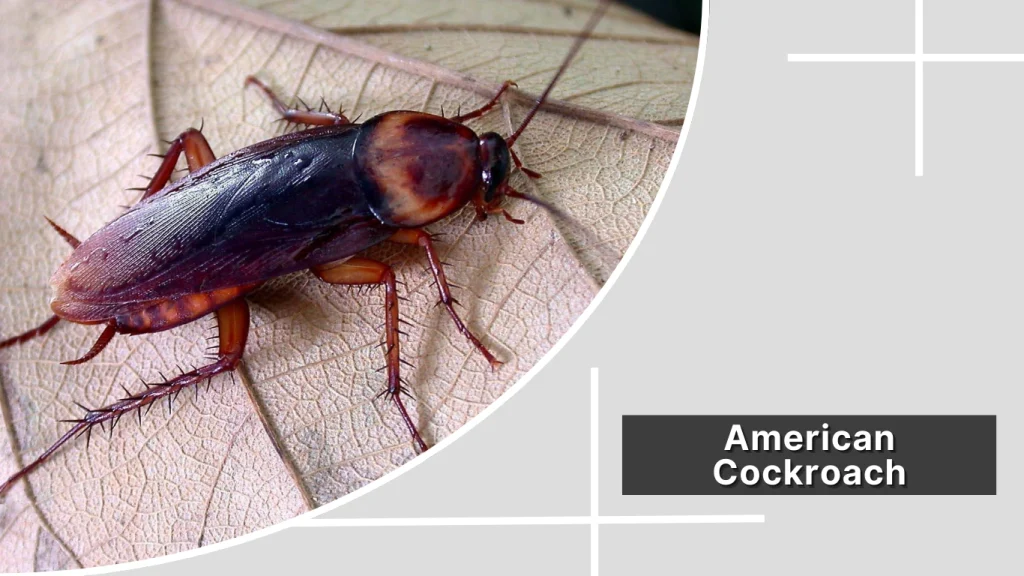
The American cockroach (Periplaneta americana) is one of the largest species found indoors. Known for its reddish-brown color and fast movements, it often startles homeowners. Though it prefers warm, damp environments, it can survive in a variety of indoor and outdoor locations.
Identification
- Size: 1 ½ to 2 inches long, one of the largest household roaches
- Color: Reddish-brown with a yellowish figure-eight pattern on the pronotum
- Wings: Fully developed and capable of gliding short distances
- Movement: Quick runners, especially in dark or damp areas
Common Hiding Places in Homes
American cockroaches are commonly found in basements, crawl spaces, laundry rooms, and bathrooms. They prefer warm, moist environments and are often seen near drains, sewers, and utility pipes that connect to homes.
Lifecycle and Feeding Habits
Females produce oothecae with about 14–16 eggs. The nymph stage lasts several months to over a year, depending on conditions. They eat a wide range of organic matter, including crumbs, decaying food, paper, and even clothing materials.
Health Risks and Dangers
These cockroaches spread bacteria, fungi, and parasites as they travel between sewers and human living spaces. Their presence can contaminate food and surfaces, while allergens from droppings and shed skins may cause respiratory irritation and asthma.
3. Oriental Cockroach
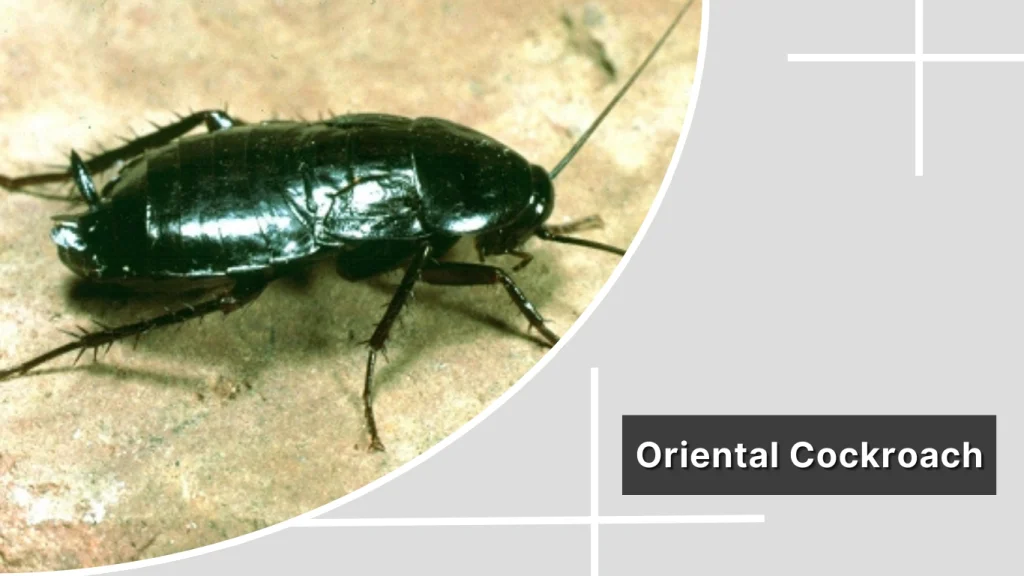
The Oriental cockroach (Blatta orientalis), sometimes called the “water bug,” is a dark-colored species often associated with damp, unsanitary environments. Slower than other cockroaches, it thrives in cool, moist areas and is most active at night.
Identification
- Size: About 1 to 1 ¼ inches long
- Color: Shiny dark brown to nearly black
- Wings: Males have short wings; females have very reduced wings, both unable to fly
- Movement: Sluggish compared to other cockroach species
Common Hiding Places in Homes
Oriental cockroaches prefer damp, cool places such as basements, crawl spaces, floor drains, and around leaky pipes. Outdoors, they live under mulch, leaf piles, stones, and in sewer systems, often entering homes through drains and foundation gaps.
Lifecycle and Feeding Habits
Females produce oothecae containing around 16 eggs. The nymph stage is slow, taking up to a year to mature. Their diet includes decaying organic matter, garbage, and starchy household items, making them well adapted to unsanitary environments.
Health Risks and Dangers
Oriental cockroaches are considered one of the dirtiest species. They frequently move through sewage and waste, contaminating food and surfaces with bacteria and pathogens. Their strong odor, combined with allergens in their droppings and skins, poses health risks, especially for sensitive individuals.
4. Brown-Banded Cockroach
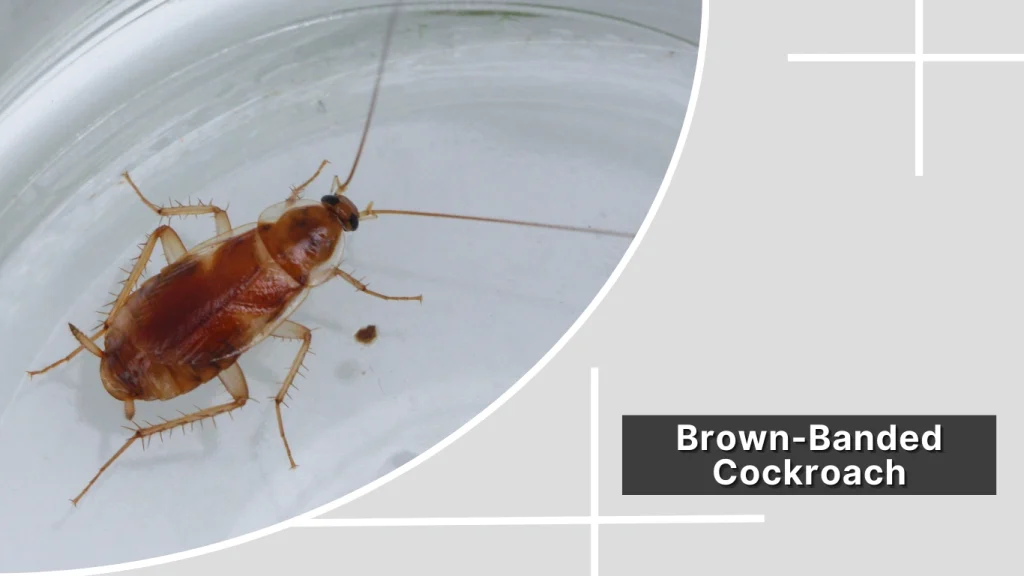
The Brown-banded cockroach (Supella longipalpa) is a small household species known for its distinctive banded pattern. Unlike many other roaches that prefer damp environments, this species thrives in drier, warmer areas and often hides in higher locations inside homes.
Identification
- Size: About ½ inch long
- Color: Light brown to tan with two pale, horizontal bands across the wings and abdomen
- Wings: Both males and females have wings; males fly occasionally, females rarely do
- Movement: Quick movers, often scattered in various rooms
Common Hiding Places in Homes
Brown-banded cockroaches avoid moisture-heavy spaces and instead inhabit drier areas such as bedrooms, living rooms, and offices. They hide in furniture, behind picture frames, inside electrical appliances, and high on walls or ceilings.
Lifecycle and Feeding Habits
Females produce oothecae with about 14 eggs each, which they attach to hidden surfaces. Development from nymph to adult takes about three to six months. Their diet includes starchy materials, glue, paper, fabrics, and a variety of household crumbs.
Health Risks and Dangers
Though smaller in size, brown-banded cockroaches pose health concerns. They spread bacteria and allergens through droppings and shed skins, potentially triggering asthma and allergies. Their presence in bedrooms and living spaces makes them more likely to contaminate personal belongings and stored items.
5. Asian Cockroach
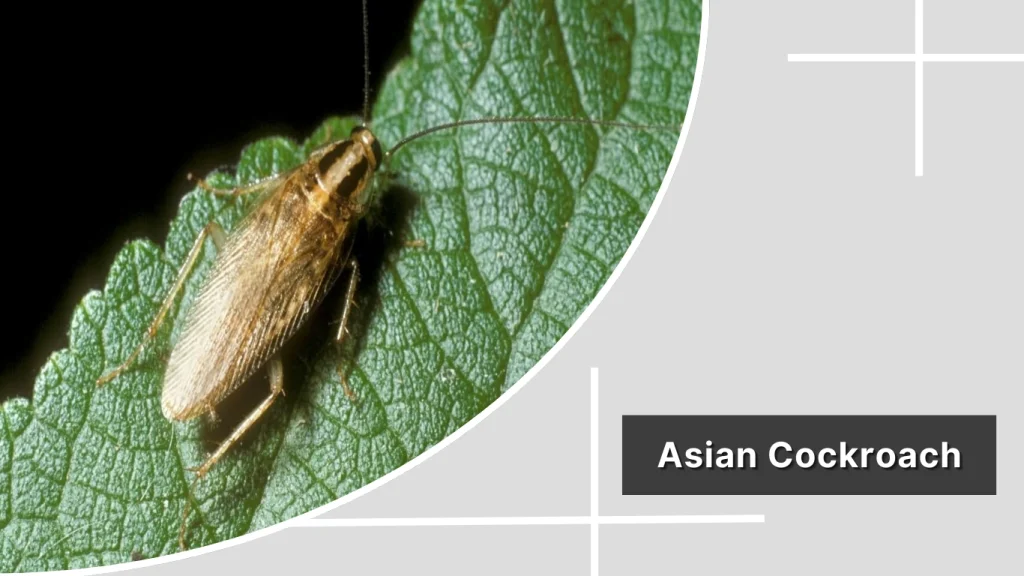
The Asian cockroach (Blattella asahinai) is a strong flyer often confused with the German cockroach due to their similar appearance. Unlike its cousin, it prefers outdoor habitats and is strongly attracted to light, frequently flying into homes at night.
Identification
- Size: About ½ to ⅝ inch long
- Color: Light brown with two dark parallel stripes on the pronotum
- Wings: Fully developed and used for strong flight
- Movement: Excellent fliers, most active at dusk and nighttime
Common Hiding Places in Homes
Asian cockroaches usually live outdoors in mulch, leaf litter, and grassy areas. They enter homes accidentally, drawn by lights through open doors or windows. Indoors, they do not thrive long-term and rarely breed inside.
Lifecycle and Feeding Habits
Females produce oothecae containing around 30–40 eggs, often deposited in soil or organic debris. Nymphs mature into adults in about two months. Their diet is highly varied, including plant matter, crumbs, and food waste.
Health Risks and Dangers
Although not as dangerous as German cockroaches, Asian cockroaches still spread bacteria when they contact food or surfaces. Their frequent indoor flights can be alarming, and large outdoor populations increase the chances of accidental infestations around homes.
6. Smokybrown Cockroach
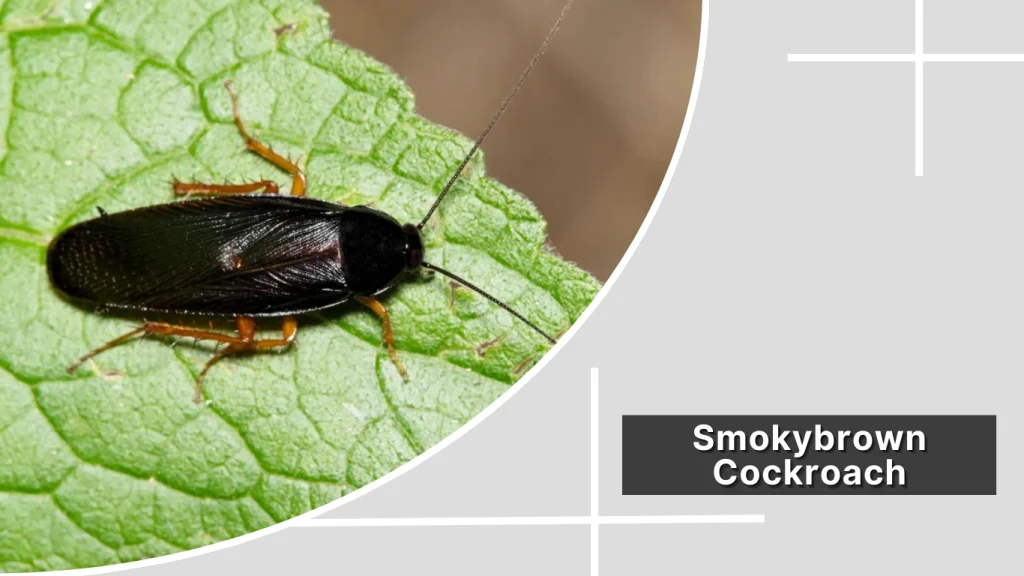
The Smokybrown cockroach (Periplaneta fuliginosa) is a large, shiny species commonly found in warm, humid climates. It is an excellent flier and is strongly attracted to lights at night, often entering homes through open windows or doors.
Identification
- Size: About 1 ¼ to 1 ½ inches long
- Color: Uniform dark brown to mahogany, shiny in appearance
- Wings: Fully developed, extending beyond the body length, strong fliers
- Movement: Active at night, often seen flying toward lights
Common Hiding Places in Homes
Smokybrown cockroaches usually live outdoors in trees, shrubs, gutters, and woodpiles. Indoors, they are often found in attics, near leaky roofs, and around poorly sealed windows. They thrive in moist, decaying organic material.
Lifecycle and Feeding Habits
Females produce oothecae with around 20 eggs. Development from egg to adult can take 10–12 months. Their diet includes plant material, garbage, starchy foods, and decaying matter, making them highly adaptable in both outdoor and indoor settings.
Health Risks and Dangers
These cockroaches are known carriers of bacteria and pathogens that can contaminate food and surfaces. Their droppings and shed skins can also trigger allergic reactions. Large populations around homes create ongoing nuisance and health risks, particularly in humid regions.
7. Australian Cockroach
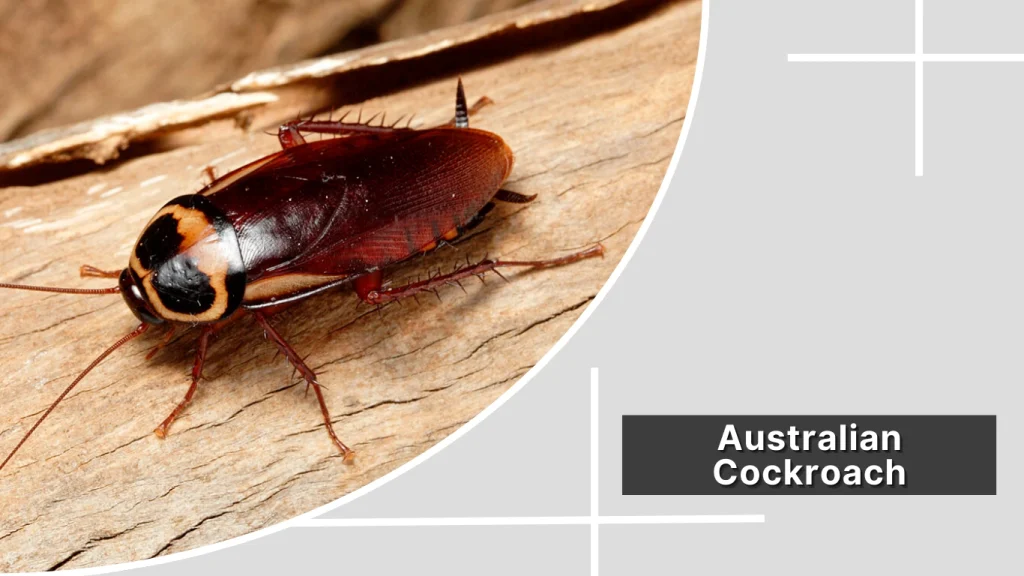
The Australian cockroach (Periplaneta australasiae) is a large species often mistaken for the American cockroach. Although similar in appearance, it can be distinguished by the distinct yellow markings near its head and wings. It thrives in warm, moist climates and is common in greenhouses and gardens.
Identification
- Size: About 1 ¼ to 1 ½ inches long
- Color: Reddish-brown with bright yellow markings along the edges of the thorax and wings
- Wings: Fully developed, capable of flying short distances
- Movement: Active fliers, attracted to lights at night
Common Hiding Places in Homes
Australian cockroaches are typically outdoor insects, hiding in mulch, leaf piles, firewood, and garden areas. Indoors, they are often found in basements, garages, greenhouses, or near houseplants where humidity is high.
Lifecycle and Feeding Habits
Females produce oothecae containing about 24 eggs. The nymphs develop into adults within six to twelve months. Their diet includes plant matter, decaying organic material, and household food scraps, making them both garden pests and household nuisances.
Health Risks and Dangers
Although less invasive indoors than German cockroaches, Australian cockroaches can still contaminate food and spread bacteria. Their droppings and shed skins may trigger allergies, and infestations in greenhouses or gardens can damage plants.
8. Florida Woods Cockroach
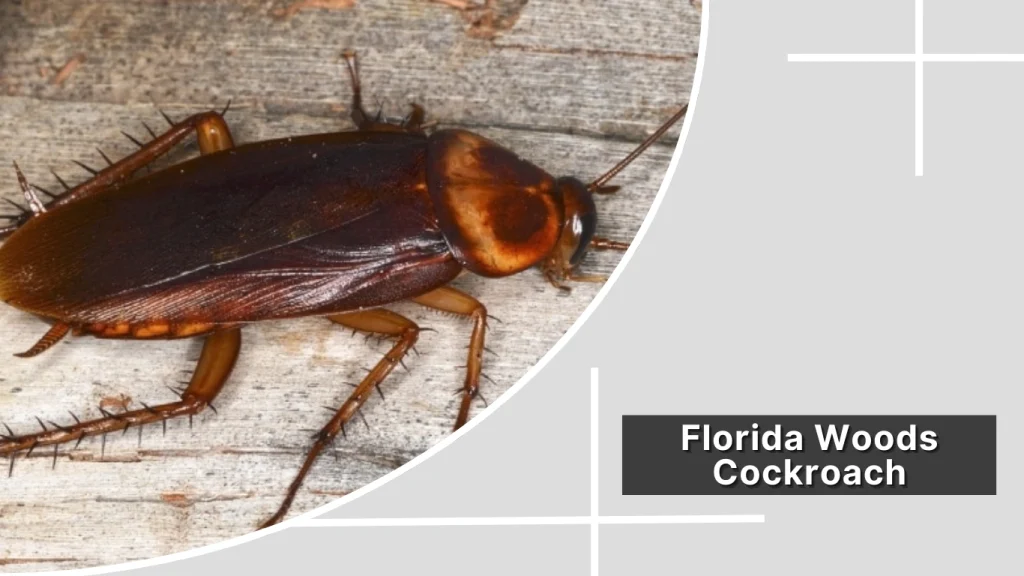
The Florida woods cockroach (Eurycotis floridana), also called the “stinking cockroach,” is a large, slow-moving species native to the southeastern United States. Known for producing a foul odor when threatened, it prefers outdoor habitats but may occasionally wander into homes.
Identification
- Size: About 1 ½ inches long, robust body
- Color: Dark reddish-brown to nearly black
- Wings: Very short or absent, cannot fly
- Movement: Slow crawlers compared to other cockroach species
Common Hiding Places in Homes
These cockroaches typically live outdoors in moist, shaded areas such as woodpiles, mulch, and under logs. Indoors, they may appear in garages, sheds, or poorly sealed basements, but they do not adapt well to indoor living.
Lifecycle and Feeding Habits
Females produce oothecae containing around 20–24 eggs. Development to adulthood takes several months. They feed mainly on decaying organic matter, including leaves, wood, and other plant debris, contributing to natural decomposition.
Health Risks and Dangers
Florida woods cockroaches are less of a health threat than other household species but still pose nuisance issues. Their foul odor can contaminate surfaces, and large populations around homes may increase accidental indoor encounters.
9. Surinam Cockroach
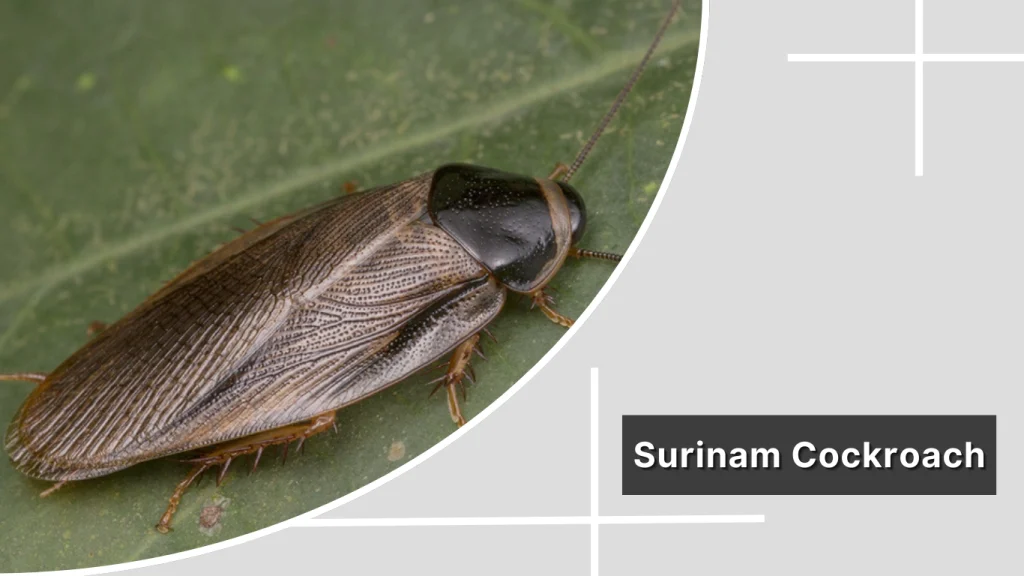
The Surinam cockroach (Pycnoscelus surinamensis) is a burrowing species most commonly found in warm, moist environments. Unlike many other cockroach types, all individuals are female and reproduce through parthenogenesis, meaning they can produce offspring without males.
Identification
- Size: About 1 inch long
- Color: Dark brown to black body with light brown wings covering the back
- Wings: Present but rarely used for flight
- Movement: Prefers crawling and burrowing rather than flying
Common Hiding Places in Homes
Surinam cockroaches usually live outdoors, hiding in soil, mulch, and compost piles. Indoors, they are rarely found except in greenhouses, potted plants, or basements where moisture and soil are present.
Lifecycle and Feeding Habits
Females carry oothecae internally and give birth to live young, typically producing 20–30 nymphs at a time. Nymphs mature within several months. Their diet consists of decaying plant material, roots, and organic debris, often damaging greenhouse plants.
Health Risks and Dangers
Surinam cockroaches are not major disease spreaders inside homes, but they can harm plants and soil environments. Infestations in greenhouses or potted plants may lead to root damage and plant decline, making them a concern for gardeners.
10. Turkestan Cockroach
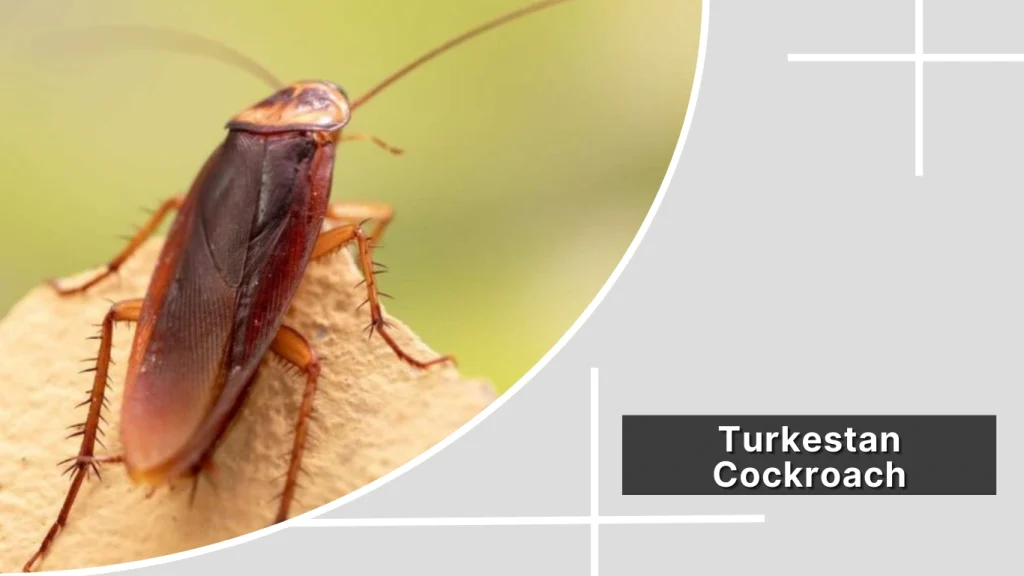
The Turkestan cockroach (Shelfordella lateralis) is an invasive species that has become increasingly common in the southwestern United States. Often replacing Oriental cockroaches in some areas, this species thrives outdoors but can invade homes through drains and gaps.
Identification
- Size: About 1 inch long
- Color: Males are reddish-brown with long wings; females are darker, nearly black, with shorter wings
- Wings: Males can glide short distances, females rarely fly
- Movement: Fast runners, active mainly at night
Common Hiding Places in Homes
Turkestan cockroaches are often found around foundations, basements, crawl spaces, and drains. Outdoors, they live in leaf litter, compost, cracks in sidewalks, and utility boxes, making their way indoors through small openings.
Lifecycle and Feeding Habits
Females produce oothecae containing about 18–25 eggs. Nymphs develop into adults in 6–12 months. They feed on organic debris, garbage, and crumbs, adapting well to urban environments.
Health Risks and Dangers
Turkestan cockroaches can spread bacteria and contaminate food and surfaces when they invade homes. In outdoor areas, their growing populations compete with native cockroach species. Their presence near drains and kitchens increases the risk of contamination and nuisance infestations.
11. Cuban Cockroach
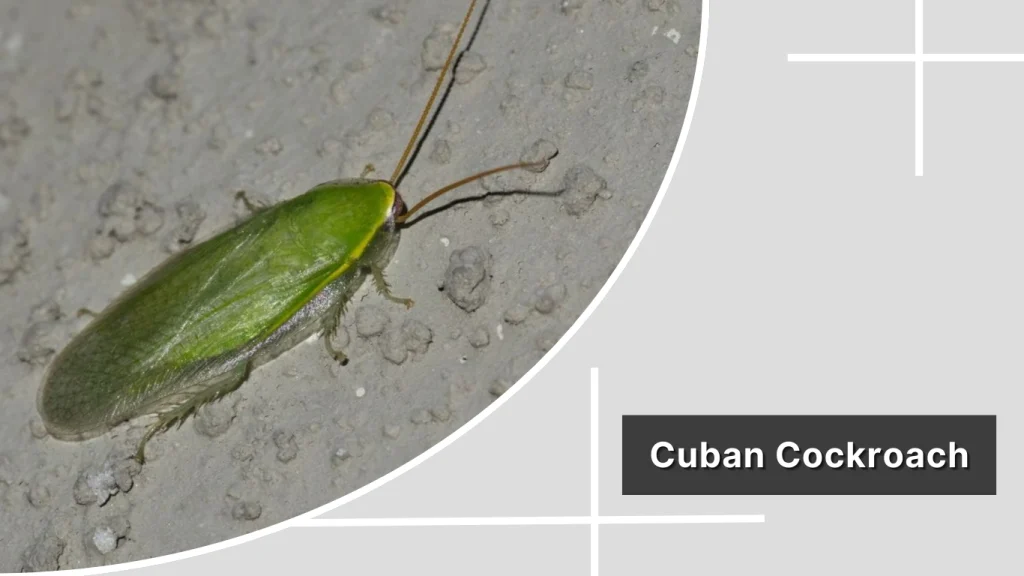
The Cuban cockroach (Panchlora nivea), also known as the green cockroach, is a unique species with a bright green coloration. Unlike most household cockroaches, it primarily lives outdoors and is considered less harmful, though it may occasionally enter homes attracted by lights.
Identification
- Size: About ¾ to 1 inch long
- Color: Pale green with a slender body, making them easily recognizable
- Wings: Fully developed, strong fliers
- Movement: Fast and agile, often active at dusk and night
Common Hiding Places in Homes
Cuban cockroaches prefer outdoor habitats such as trees, shrubs, mulch, and gardens. Indoors, they are accidental visitors, usually flying in through windows or doors. They do not establish breeding colonies inside homes.
Lifecycle and Feeding Habits
Females produce oothecae containing around 30 eggs. Nymphs are brown and wingless before maturing into bright green adults. They feed mostly on decaying plant matter, fruit, and other vegetation, making them less dependent on human food sources.
Health Risks and Dangers
These cockroaches are not major indoor pests and rarely spread disease. However, their sudden flights into homes can be alarming. They pose minimal health risks compared to other species but can still contaminate surfaces if they land on food or kitchen areas.
12. Pennsylvania Wood Cockroach
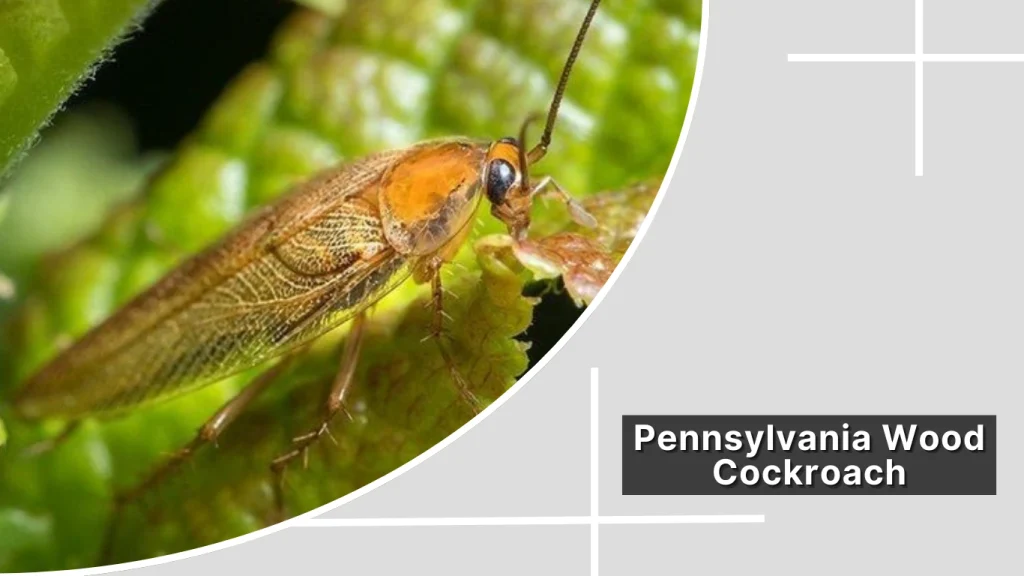
The Pennsylvania wood cockroach (Parcoblatta pensylvanica) is a species commonly found in wooded areas of North America. They are not typical household pests but may wander indoors, especially when drawn to lights at night or brought in with firewood.
Identification
- Size: Males about 1 inch; females about ¾ inch
- Color: Dark brown with lighter margins on the thorax and wings
- Wings: Males have long wings and can fly; females have shorter wings and do not fly
- Movement: Active at night, especially near outdoor lights
Common Hiding Places in Homes
Wood cockroaches usually live outdoors under loose bark, in woodpiles, and in leaf litter. Indoors, they are accidental invaders, often carried inside with firewood or flying through open windows toward lights. They do not reproduce indoors.
Lifecycle and Feeding Habits
Females produce oothecae containing 30–40 eggs, which they deposit outdoors. Nymphs develop slowly, taking up to two years to mature. Their diet consists mainly of decaying organic matter, bark, and plant debris.
Health Risks and Dangers
These cockroaches are considered nuisance pests rather than serious threats. They do not typically contaminate food or breed indoors. However, their presence in large numbers, especially around lights, can cause discomfort and annoyance for homeowners.
13. Madeira Cockroach
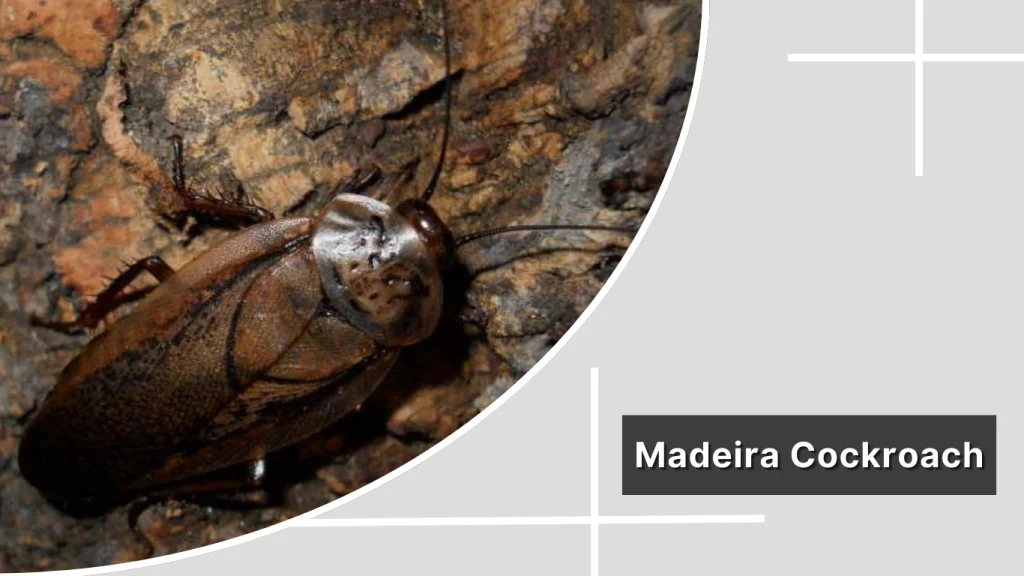
The Madeira cockroach (Rhyparobia maderae) is a tropical species originally from Africa but now found in warm climates worldwide. It is sometimes kept as a feeder insect for reptiles and amphibians but can also become a household pest when conditions are favorable.
Identification
- Size: About 1 to 1 ¼ inches long
- Color: Light brown to tan with pale yellow markings along the thorax and wings
- Wings: Fully developed, capable of gliding short distances
- Movement: Active and quick, primarily nocturnal
Common Hiding Places in Homes
Madeira cockroaches prefer warm, humid areas. Indoors, they may hide in basements, greenhouses, storage rooms, or near potted plants. Outdoors, they shelter in leaf litter, mulch, and compost piles.
Lifecycle and Feeding Habits
Females produce oothecae containing up to 30 eggs. Nymphs develop into adults within 6–9 months. Their diet includes decaying vegetation, household food scraps, and starchy materials, making them highly adaptable in both natural and domestic settings.
Health Risks and Dangers
While not as notorious as German or American cockroaches, Madeira cockroaches can still spread bacteria and contaminate food surfaces. Their droppings and shed skins may contribute to allergies, especially in sensitive individuals. Infestations in greenhouses can also harm plants.