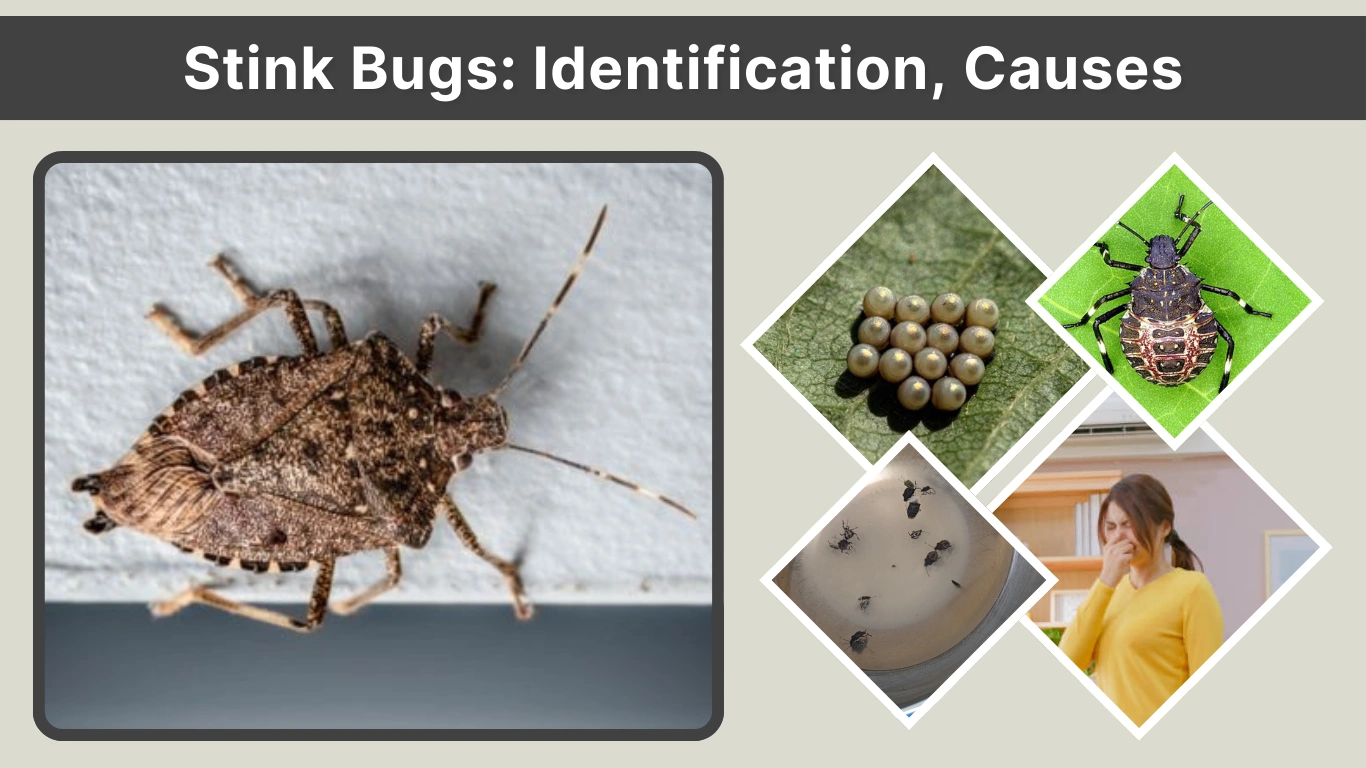
Stink bugs are shield-shaped insects best known for the unpleasant odor they release when disturbed or crushed. Although they are not considered dangerous to humans, they can quickly become a major nuisance—especially when they invade homes in large numbers during the fall and winter months. Originally outdoor insects that feed on plants and crops, some species have adapted to living near human structures. Understanding what stink bugs are, why they smell, and why they enter homes is the first step toward controlling them effectively.
What Is a Stink Bug?
A stink bug is an insect belonging to the family Pentatomidae. These bugs are easily recognized by their shield-shaped bodies, six legs, and straight antennae. Most species measure about half an inch long and come in shades of brown, green, or gray.
The most commonly encountered species inside homes is the Brown Marmorated Stink Bug (BMSB). This invasive species has spread rapidly across many regions and is known for invading houses in large numbers during cooler months. Stink bugs are primarily outdoor insects that feed on plants, fruits, and crops. However, when temperatures begin to drop, they look for warm places to shelter—often choosing homes, garages, and buildings.
While they may look intimidating, stink bugs do not sting and rarely bite. Their main defense mechanism is the foul-smelling chemical they release when threatened.
Why Do Stink Bugs Smell?
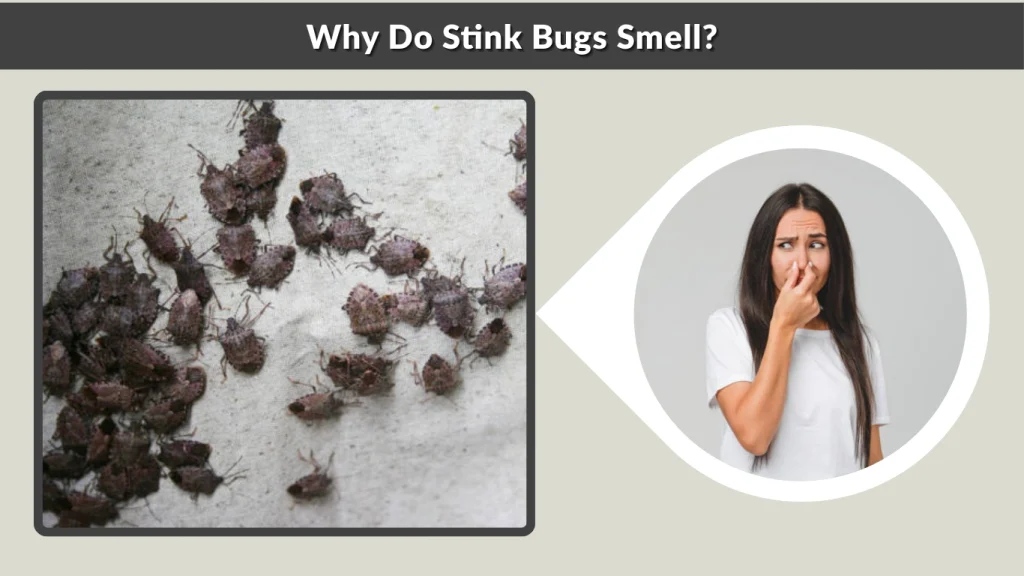
Stink bugs produce their distinctive odor as a natural defense mechanism. Special glands located on the underside of their thorax release a chemical compound when the insect feels threatened or is crushed. This strong smell serves two important purposes in nature.
First, it helps deter predators such as birds and lizards. The unpleasant scent makes stink bugs less appealing as prey. Second, the odor can act as a warning signal to other stink bugs nearby, alerting them to danger.
The smell is often described as musty, sour, or similar to cilantro by some people. Crushing a stink bug usually makes the odor stronger because it releases a larger amount of the chemical. For this reason, experts recommend avoiding squashing them indoors.
Although the odor is unpleasant, it is not toxic or harmful to humans. The primary issue is the lingering smell it can leave behind on surfaces and fabrics.
Types of Stink Bugs
There are thousands of stink bug species worldwide, but only a few commonly interact with humans.
Brown Marmorated Stink Bug
The Brown Marmorated Stink Bug is the most notorious household invader. Native to East Asia, it was accidentally introduced to other regions and has since become an invasive species.
It is brown or gray with white bands on its antennae and legs. This species is particularly problematic because it seeks shelter inside buildings during the fall to overwinter. Once inside, they hide in walls, attics, and ceilings until warmer weather returns.
In addition to being a household nuisance, the Brown Marmorated Stink Bug causes significant agricultural damage by feeding on fruits, vegetables, and crops.
Green Stink Bug
The Green Stink Bug is commonly found in gardens and agricultural areas. As its name suggests, it is bright green and blends easily with plant foliage.
Unlike the brown species, green stink bugs are less likely to invade homes in large numbers. However, they can still damage plants by feeding on fruits and stems. Their feeding activity may cause deformities, discoloration, or reduced crop quality.
Stink Bug Life Cycle
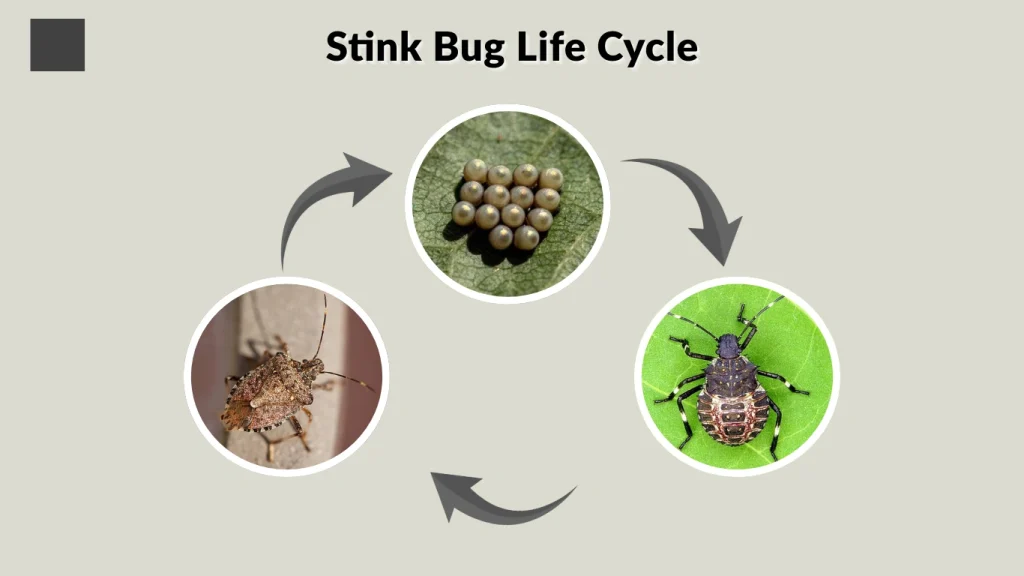
Understanding the stink bug life cycle helps explain their seasonal behavior.
Stink bugs begin as eggs, which are typically laid in clusters on the underside of leaves. A female can lay dozens of eggs at once. After a few days, the eggs hatch into nymphs.
Nymphs resemble smaller versions of adult stink bugs but often have brighter coloring and lack fully developed wings. They go through five developmental stages, known as instars, before reaching adulthood.
Adult stink bugs emerge in late summer or early fall. As temperatures cool, they begin searching for warm places to survive the winter. This seasonal movement is why homeowners often notice sudden infestations during autumn.
Most stink bugs live for several months, and in favorable conditions, they can reproduce quickly.
Why Are Stink Bugs in My House?
If you notice stink bugs inside your home, it is usually related to seasonal changes. As fall approaches and temperatures drop, stink bugs seek warm, sheltered locations to overwinter. Homes provide ideal protection from cold weather, wind, and predators.
They often enter through small cracks around windows, doors, siding, vents, and utility openings. Even tiny gaps are large enough for them to squeeze through. Stink bugs are also attracted to light, which can draw them toward houses at night.
Once inside, they typically hide in walls, attics, and behind furniture. During winter, they remain mostly inactive. However, on warmer days, they may emerge and become visible indoors.
Preventing entry is much easier than removing them after they settle inside.
Are Stink Bugs Dangerous?
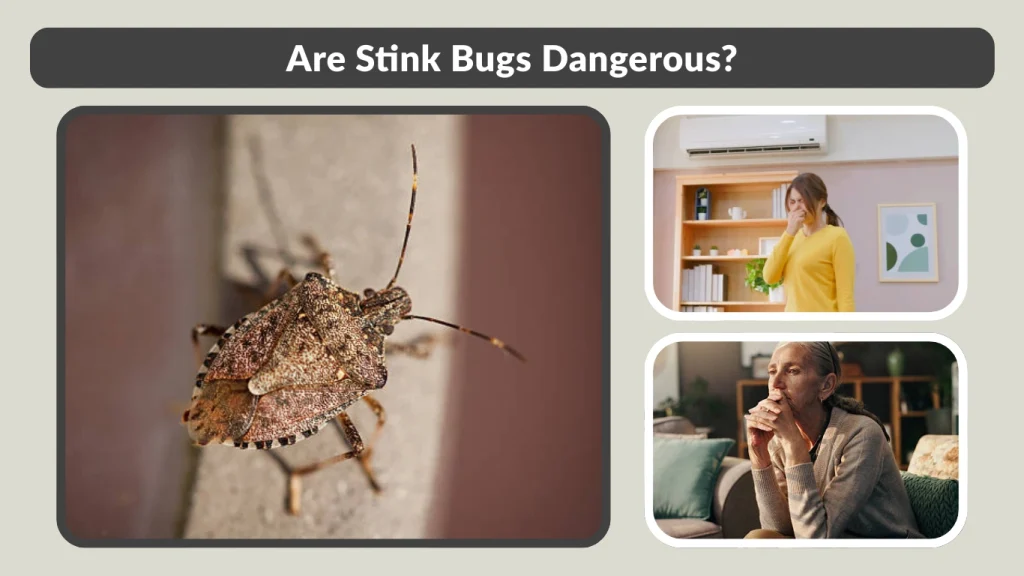
One of the most common concerns homeowners have is whether stink bugs pose any real danger. Fortunately, stink bugs are not considered harmful to people or pets. However, they can still create frustration due to their smell and large numbers.
Do Stink Bugs Bite?
Stink bugs rarely bite humans. In unusual cases, they may attempt to pierce the skin if handled roughly, but they are not aggressive insects. Even if a bite occurs, it is not venomous and typically causes only mild irritation, if any at all.
Their primary defense is their odor—not biting or stinging. Most interactions with humans happen accidentally when the bugs land on clothing or crawl indoors.
Are They Harmful to Humans?
Stink bugs do not spread diseases and are not toxic. Their odor, while unpleasant, is not dangerous. However, some people may experience mild allergic reactions when exposed to large numbers of stink bugs or their scent.
The biggest issue indoors is nuisance. Large infestations can create unpleasant odors and leave stains on walls, curtains, or furniture if disturbed.
Are They Harmful to Plants?
While stink bugs are mostly harmless to humans, they can cause significant damage to plants and crops. They feed by inserting their piercing mouthparts into fruits, vegetables, and stems to suck out plant juices.
This feeding behavior can cause:
- Deformed fruits
- Discoloration or blemishes
- Reduced crop yield
- Premature fruit drop
Farmers often consider certain species, especially the Brown Marmorated Stink Bug, a serious agricultural pest.
What Do Stink Bugs Eat?
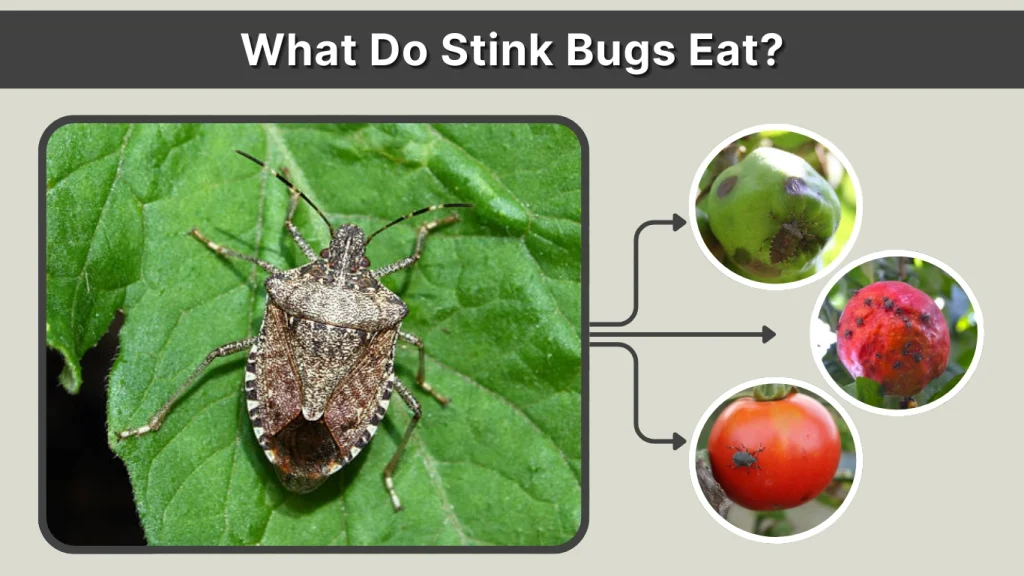
Stink bugs primarily feed on plant material. They prefer fruits, vegetables, and field crops. Some of their favorite food sources include:
- Apples
- Peaches
- Tomatoes
- Peppers
- Soybeans
- Corn
They use needle-like mouthparts to pierce plant tissue and extract nutrients. This feeding process damages plant cells and may introduce pathogens into crops.
In home gardens, stink bug damage often appears as small brown spots or distorted growth on fruits and vegetables. Although they do not consume large portions of plants, their feeding can still reduce the quality and appearance of produce.
How to Get Rid of Stink Bugs
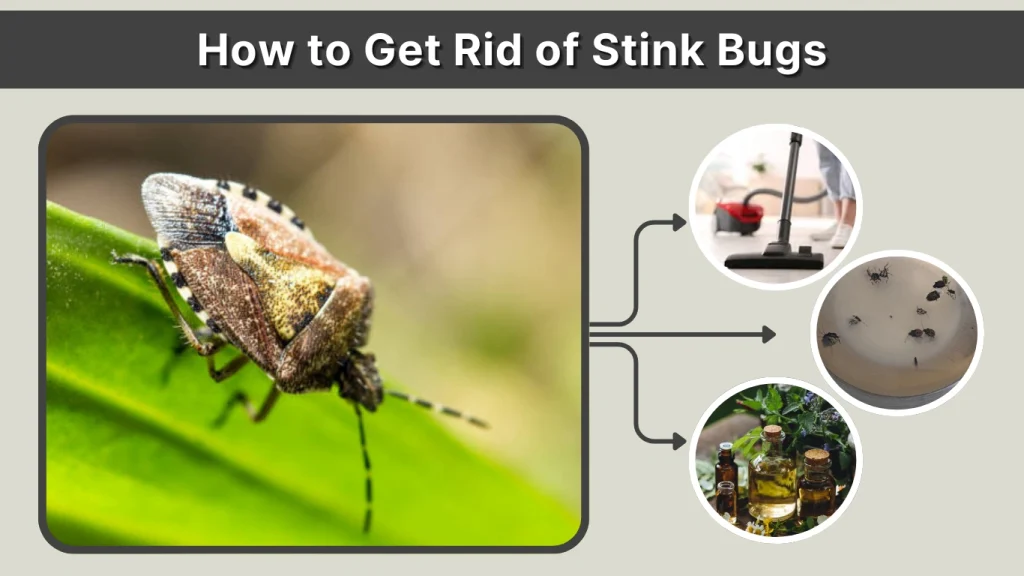
Removing stink bugs requires careful handling to avoid triggering their odor defense.
Natural Removal Methods
One of the simplest ways to remove stink bugs indoors is by using a vacuum cleaner. This method allows you to collect them without crushing them. It’s best to dispose of the vacuum bag promptly to prevent lingering odors.
Another effective option is a soapy water trap. Filling a container with water and dish soap can quickly kill stink bugs when they are dropped inside.
Essential oils such as peppermint or neem oil may help repel stink bugs when sprayed around entry points. While these natural methods may not eliminate large infestations, they can help reduce numbers.
Chemical Treatment Options
For more severe infestations, insecticides may be used around the exterior perimeter of the home. Outdoor treatments are generally more effective than indoor sprays.
Professional pest control services can apply targeted treatments and identify entry points. This is often the best solution for recurring seasonal infestations.
What Not to Do
Avoid crushing stink bugs indoors. This releases their odor and may attract more bugs. Indoor bug bombs or foggers are also not recommended, as they are usually ineffective against hidden stink bugs and may pose safety risks.
How to Prevent Stink Bug Infestations
Prevention is the most effective strategy for managing stink bugs.
Seal cracks and gaps around windows, doors, siding, and utility lines using caulk or weather stripping. Repair damaged window screens and install door sweeps to block entry points.
Reducing outdoor lighting at night may help limit attraction. You can also trim vegetation near the home’s exterior and remove debris where stink bugs may hide.
Taking these preventive steps before fall can significantly reduce the number of stink bugs entering your home.
When to Call a Pest Control Professional
If you experience repeated seasonal infestations or notice large numbers of stink bugs inside walls and attics, it may be time to contact a pest control professional.
Experts can identify structural vulnerabilities, apply preventative treatments, and recommend long-term solutions. While small numbers of stink bugs can be managed independently, persistent infestations often require professional intervention.
FAQs
Do stink bugs bite humans?
Stink bugs rarely bite humans and are not aggressive insects. In unusual situations, they may attempt to pierce the skin if handled roughly, but they are not venomous and do not inject toxins. Most people never experience a bite. Their primary defense is releasing a strong odor rather than attacking.
Why do stink bugs come into houses?
Stink bugs enter homes mainly in the fall when temperatures begin to drop. They look for warm, sheltered places to overwinter and often squeeze through small cracks, vents, or gaps around windows and doors. Light from homes at night can also attract them indoors.
What attracts stink bugs the most?
Stink bugs are attracted to warmth, light, and food sources such as fruits and crops. During cooler months, heated buildings become ideal shelter. Outdoor lights, light-colored walls, and ripening plants in gardens can also draw them closer to homes.
How do you get rid of stink bugs naturally?
You can remove stink bugs using a vacuum cleaner to avoid crushing them. Dropping them into a container filled with soapy water is another effective method. Sealing entry points and using essential oils like peppermint around windows and doors may help repel them.
Are stink bugs harmful to pets?
Stink bugs are generally not harmful to pets. However, if a dog or cat bites or chews one, the bug may release its odor, which can cause temporary drooling or mild stomach upset. Serious reactions are rare and typically resolve quickly.