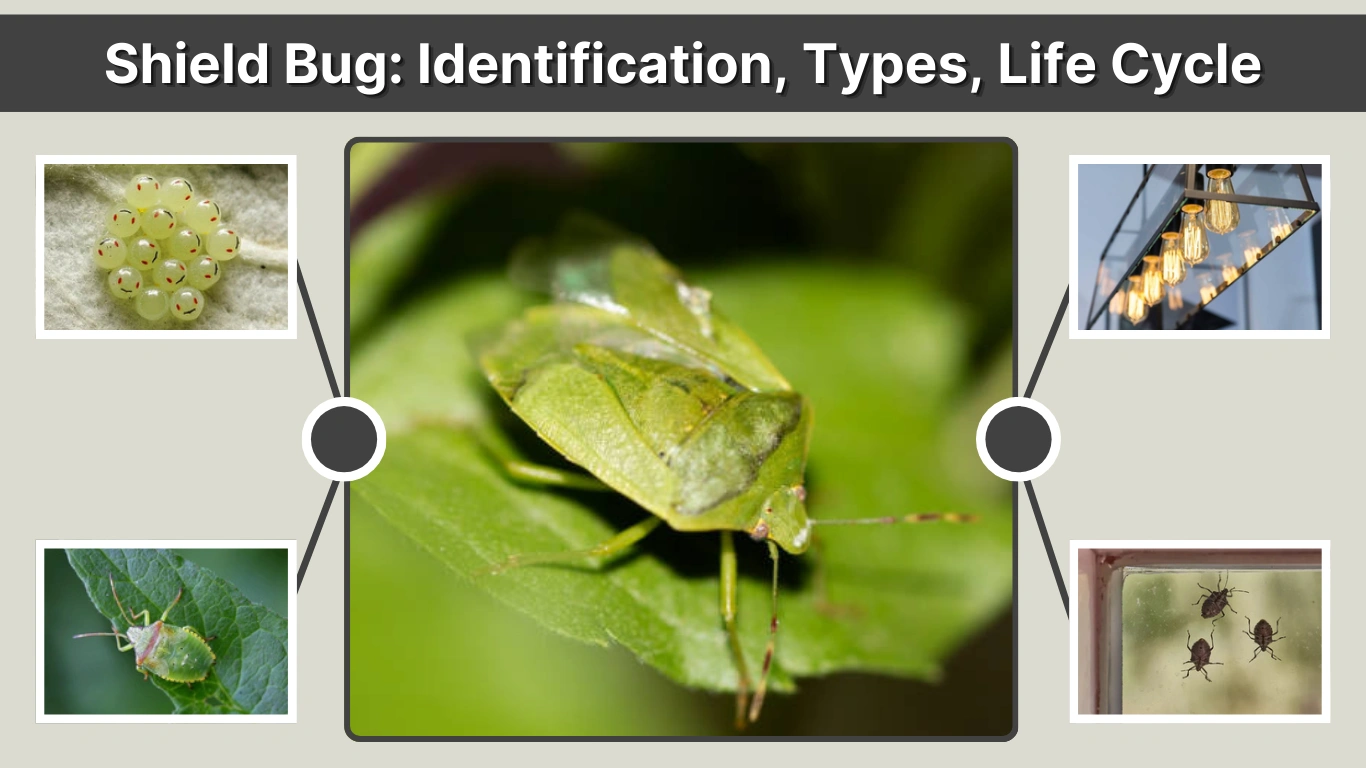
Shield bugs are common insects often spotted in gardens, on plants, and sometimes inside homes during colder months. Named for their distinctive shield-shaped bodies, these bugs are frequently confused with stink bugs due to their similar appearance and odor defense. While they are generally harmless to humans, they can become a nuisance when they invade homes or damage plants. This guide explains how to identify shield bugs, the common types, and what you should know about their behavior.
What Is a Shield Bug?
A shield bug is an insect belonging to the family Pentatomidae. They are sometimes referred to as stink bugs because many species release a strong odor when disturbed or crushed. The name “shield bug” comes from their unique body shape, which resembles a medieval shield.
These insects are typically found in:
- Gardens and farmland
- Woodlands and hedgerows
- Around shrubs and fruit trees
- Occasionally inside homes during autumn
Shield bugs feed primarily on plant sap using piercing mouthparts. While many species are harmless, some can affect crops and ornamental plants.
Shield Bug Identification Guide
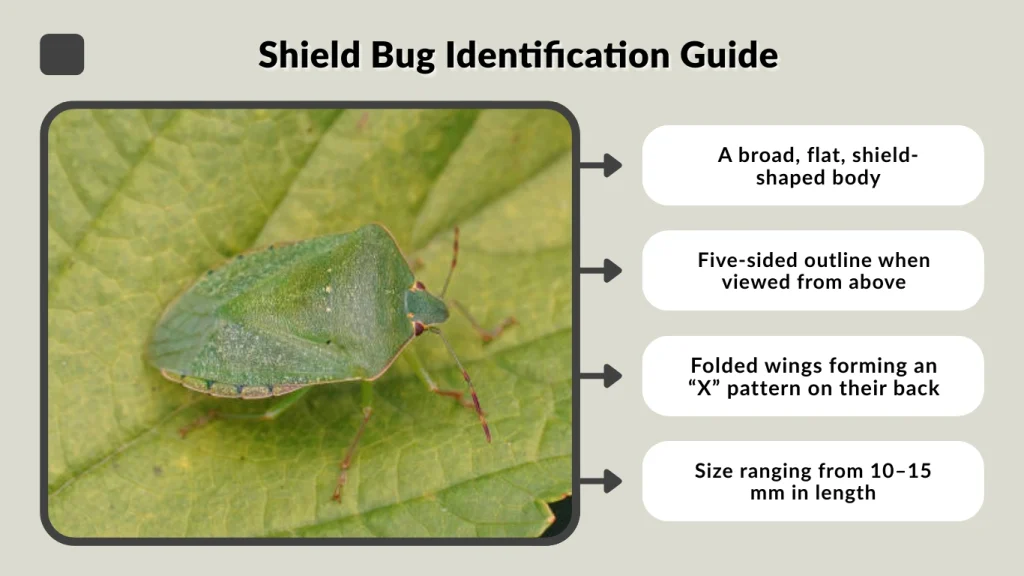
Correct identification is important, especially if you’re trying to protect your garden or prevent a home invasion.
Physical Characteristics
Shield bugs have several distinct features:
- A broad, flat, shield-shaped body
- Five-sided outline when viewed from above
- Long, segmented antennae
- Folded wings forming an “X” pattern on their back
- Size ranging from 10–15 mm in length
Their hard outer shell gives them a slightly armored appearance.
Common Colors
Shield bugs come in various colors depending on species and season:
- Green – Common in summer months
- Brown – Often seen in autumn and winter
- Mottled or speckled patterns – Found in some species
Interestingly, some green shield bugs turn brown as temperatures drop, helping them blend into their environment.
Shield Bug vs Stink Bug
The terms “shield bug” and “stink bug” are often used interchangeably. In many regions, they refer to the same insect family. However:
- “Shield bug” is commonly used in the UK
- “Stink bug” is more common in the US
- Brown marmorated stink bugs are a specific invasive species
All shield bugs can emit an unpleasant smell as a defense mechanism, which is why they are grouped under the stink bug category.
Types of Shield Bugs
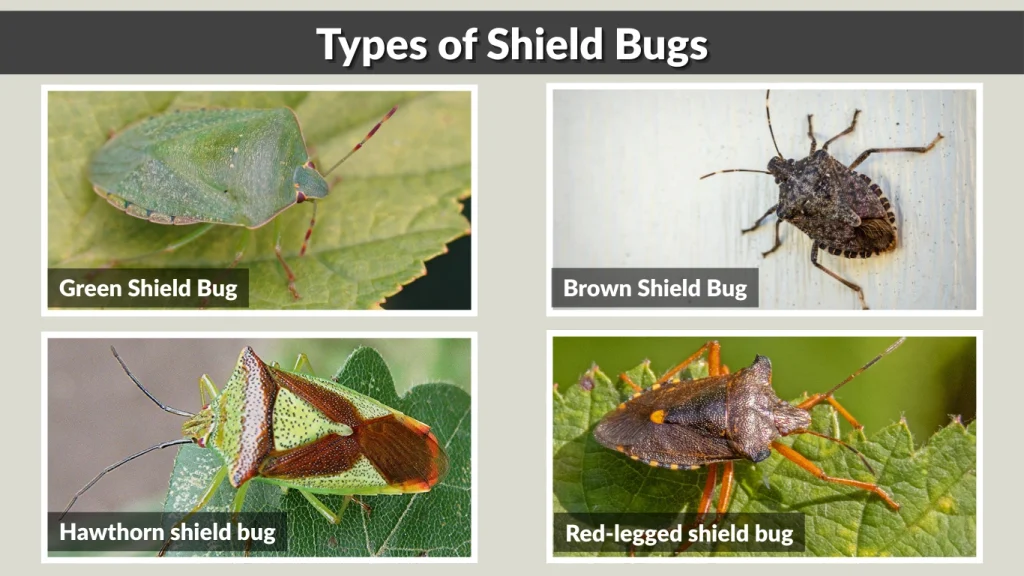
There are many species worldwide, but a few are more commonly encountered.
Green Shield Bug
The green shield bug is one of the most recognizable species.
- Bright green during warmer months
- Turns darker or brown in colder weather
- Often found on tomatoes, beans, and shrubs
They feed on plant juices and may cause minor cosmetic damage to fruits and leaves.
Brown Shield Bug
Brown shield bugs are frequently noticed in homes during autumn.
- Dull brown or mottled appearance
- Excellent at camouflaging against bark and wood
- Includes invasive species like the brown marmorated stink bug
This species is known for invading homes in large numbers to overwinter.
Other Common Varieties
Some additional species include:
- Hawthorn shield bug
- Red-legged shield bug
- Juniper shield bug
Each species varies slightly in coloration and preferred host plants, but they share similar behavior patterns.
Shield Bug Life Cycle
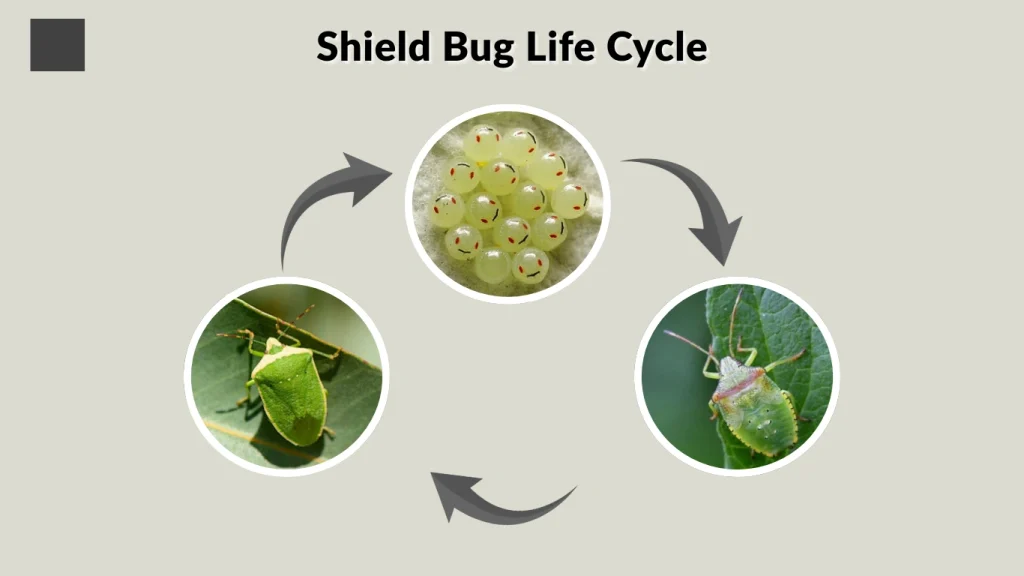
Understanding the life cycle helps explain why shield bugs appear at certain times of the year.
Shield bugs go through three main stages:
1. Egg Stage
Females lay clusters of small, barrel-shaped eggs on the underside of leaves. These eggs hatch within one to three weeks.
2. Nymph Stage
After hatching, young shield bugs (nymphs) resemble smaller versions of adults but lack fully developed wings. They go through several growth stages called instars.
3. Adult Stage
Once fully developed, adult shield bugs can fly and reproduce. Most species complete one generation per year, though warmer climates may support more.
In autumn, adult shield bugs seek sheltered places to survive the winter. This is when they often enter homes through small cracks, vents, or open windows.
Are Shield Bugs Harmful?
For most people, shield bugs are more annoying than dangerous.
They do not spread diseases and rarely interact directly with humans. However, they can:
- Produce an unpleasant odor when disturbed
- Stain surfaces if crushed
- Damage certain garden plants
In agricultural settings, large populations may cause more noticeable crop damage by feeding on fruits and vegetables.
Why Are Shield Bugs in My House?
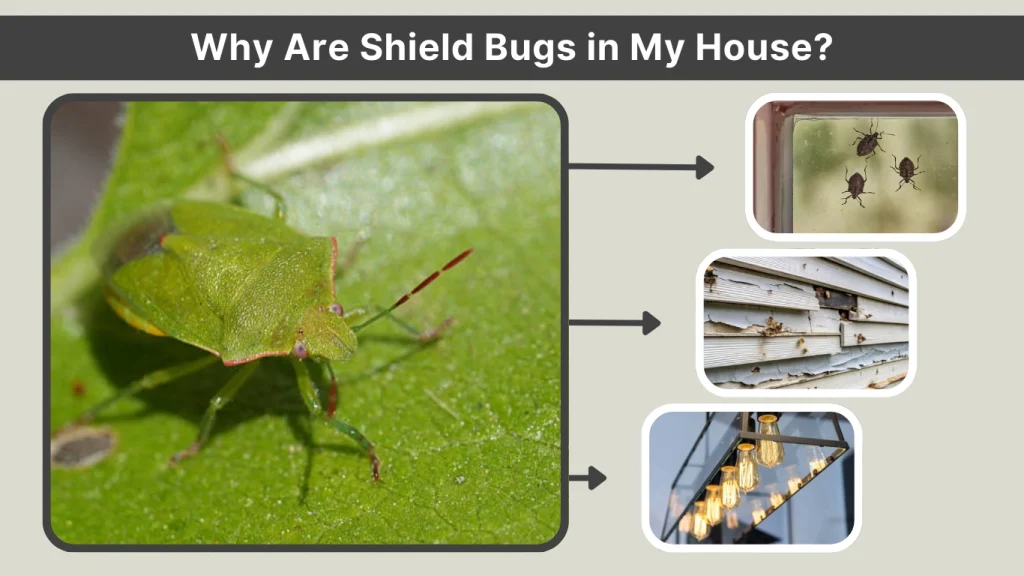
If you notice shield bugs gathering around windows or appearing indoors during autumn, you are not alone. This behavior is seasonal and largely related to survival.
As temperatures drop, shield bugs search for warm, sheltered places to overwinter. Homes provide ideal protection from cold weather and predators.
Common reasons they enter houses include:
- Small cracks around windows and doors
- Gaps in siding or roofing
- Vent openings and chimneys
- Attraction to indoor lighting
They do not breed indoors, but once inside, they may remain hidden in wall voids, attics, or behind curtains until spring.
How to Get Rid of Shield Bugs
Removing shield bugs requires care. Crushing them can release their strong defensive odor, making the problem worse.
Safe Removal Methods
The safest ways to eliminate shield bugs include:
- Vacuuming: Use a vacuum cleaner with a disposable bag. Empty it immediately after use.
- Soapy water trap: Fill a container with water and dish soap. Drop the bugs in to quickly neutralize them.
- Manual removal: Use tissue paper or gloves and dispose of them outside.
Avoid squashing them directly on walls or furniture to prevent staining and lingering smells.
Natural Remedies
Some natural solutions may help reduce shield bug presence:
- Garlic spray: Mix crushed garlic with water and spray around entry points.
- Neem oil: Useful in gardens to discourage feeding.
- Essential oils: Peppermint or eucalyptus oil may deter insects when applied near windows and doors.
While these methods may not eliminate large infestations, they can reduce activity.
Chemical Control Options
In cases of heavy infestation:
- Use insecticide sprays labeled for stink bugs.
- Apply perimeter treatments around windows and foundations.
- Consider professional pest control for recurring problems.
Professional services are especially helpful if shield bugs return each year in large numbers.
How to Prevent Shield Bug Infestations
Prevention is more effective than removal. Taking early action before autumn can significantly reduce indoor invasions.
Here are practical prevention tips:
- Seal cracks and gaps with caulk or weather stripping
- Repair damaged window screens
- Install door sweeps
- Cover vents with fine mesh screens
- Reduce outdoor lighting near entry points
In gardens, maintaining plant health and removing debris can limit breeding areas. Harvest ripe fruits and vegetables promptly to reduce attraction.
When to Call a Pest Control Professional
Most shield bug issues can be handled with basic prevention and removal techniques. However, professional help may be necessary if:
- Large numbers repeatedly invade your home
- You notice structural entry points you cannot seal
- Garden or crop damage becomes severe
- DIY methods fail to control the problem
A pest control specialist can assess the source of the infestation and apply targeted treatments.
FAQs
Are shield bugs and stink bugs the same?
Yes, shield bugs belong to the same insect family as stink bugs. The term “shield bug” is more commonly used in the UK, while “stink bug” is widely used in the US. Both names describe insects that release a strong odor when disturbed as a defense mechanism.
What attracts shield bugs to homes?
Shield bugs are attracted to warmth and shelter during colder months. They often enter homes through small cracks and gaps in autumn to overwinter. Light sources near windows and doors may also draw them toward buildings.
Can shield bugs damage my garden plants?
Yes, shield bugs feed on plant sap using piercing mouthparts. In small numbers, damage is usually minor. However, larger populations can cause fruit deformities, discoloration, and reduced crop quality, particularly on tomatoes, beans, and other soft fruits.
Do shield bugs bite humans?
Shield bugs rarely bite humans, and they are not considered dangerous. They primarily feed on plants, not people. In rare cases, defensive contact may cause mild skin irritation, but they do not transmit diseases.
What smell do shield bugs produce?
When disturbed or crushed, shield bugs release a strong, unpleasant odor from glands located in their thorax. The smell is often described as musty or slightly chemical and serves as a defense against predators.
Conclusion
Shield bugs are distinctive, shield-shaped insects commonly found in gardens and occasionally inside homes during autumn. While they are not dangerous to humans, they can become a nuisance and may damage certain plants. Proper identification, safe removal methods, and preventative sealing of entry points can effectively control most problems. Acting early before colder weather arrives is the best way to keep shield bugs out of your home.