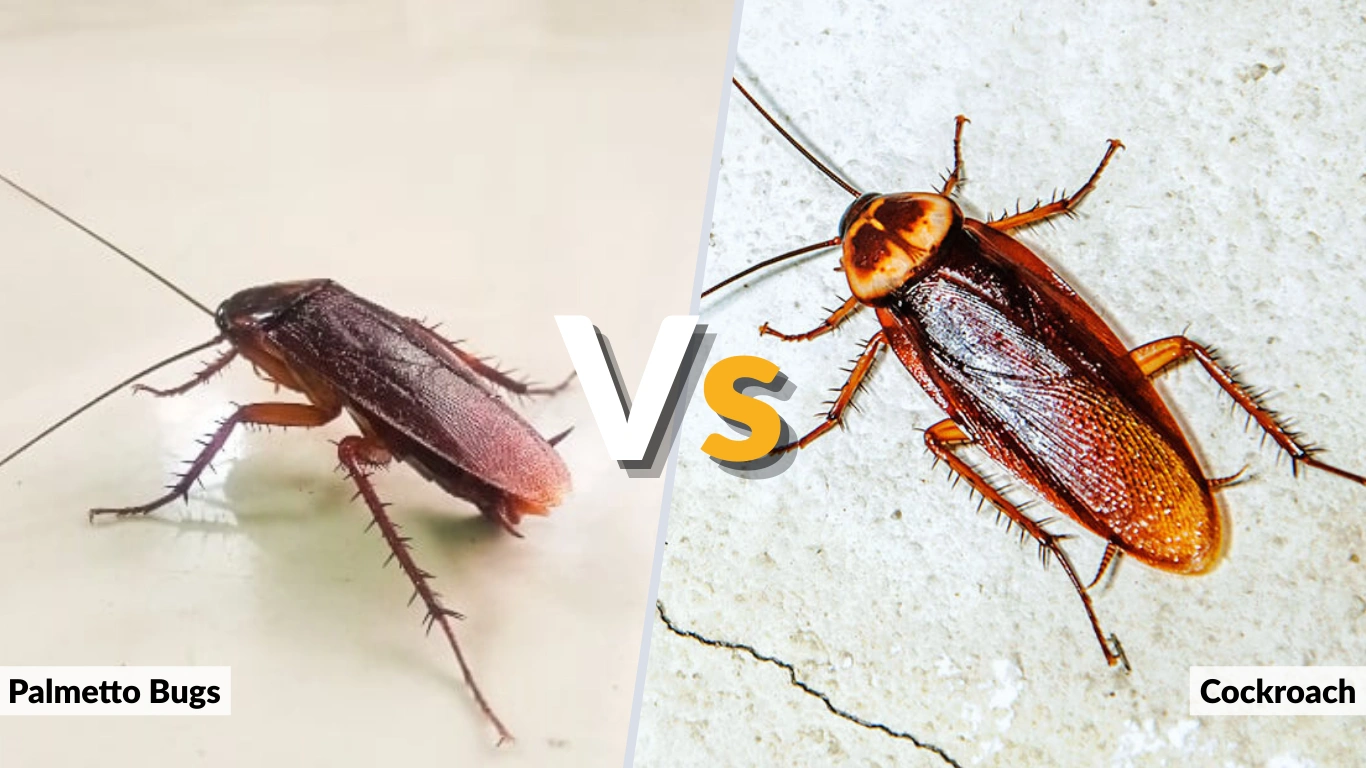
Many homeowners panic when they see a large brown insect scurrying across the floor and immediately wonder whether it’s a cockroach or a palmetto bug. The truth is, the confusion around palmetto bugs vs cockroaches is extremely common—especially in the southern United States. Some people insist they’re different pests, while others say they’re the same thing. So which is correct? In this guide, we’ll break down the scientific facts, physical differences, behavior patterns, and what it really means if you find one in your home.
What Is a Palmetto Bug?
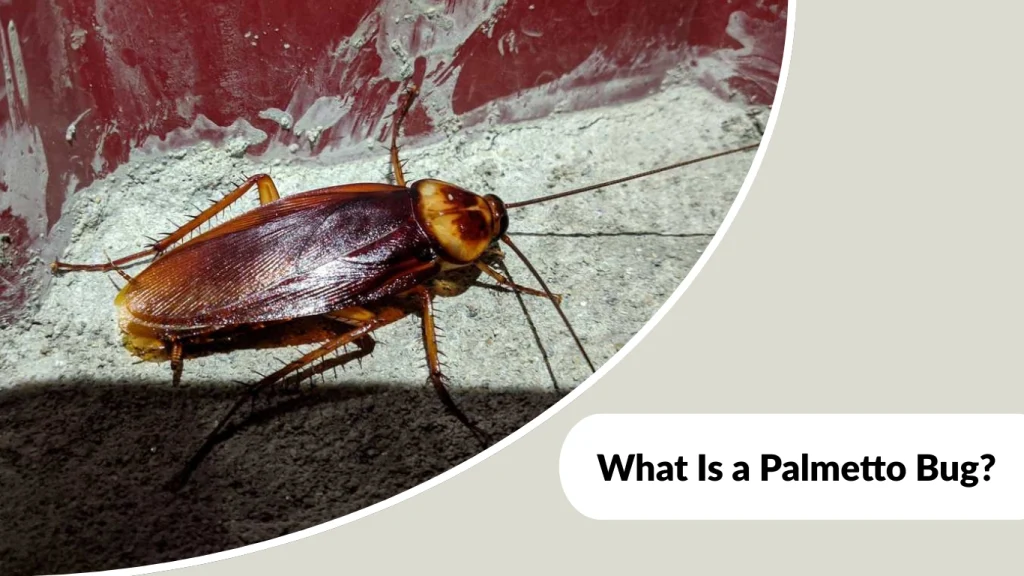
A palmetto bug is not a scientific classification. It’s a regional nickname commonly used in states like Florida, Georgia, and South Carolina. In most cases, when someone says “palmetto bug,” they are referring to a large species of cockroach—usually the American cockroach or sometimes the smokybrown cockroach.
The name comes from palmetto trees, which are common in the southeastern U.S. These insects are often found living in moist outdoor environments such as mulch beds, tree bark, sewer systems, and leaf piles. Because they tend to live outdoors more than some other roach species, many people prefer calling them palmetto bugs instead of cockroaches.
There’s also a psychological factor. The word “cockroach” carries a strong negative association with filth and infestation. “Palmetto bug” sounds less alarming, even though it typically describes the same insect.
What Is a Cockroach?
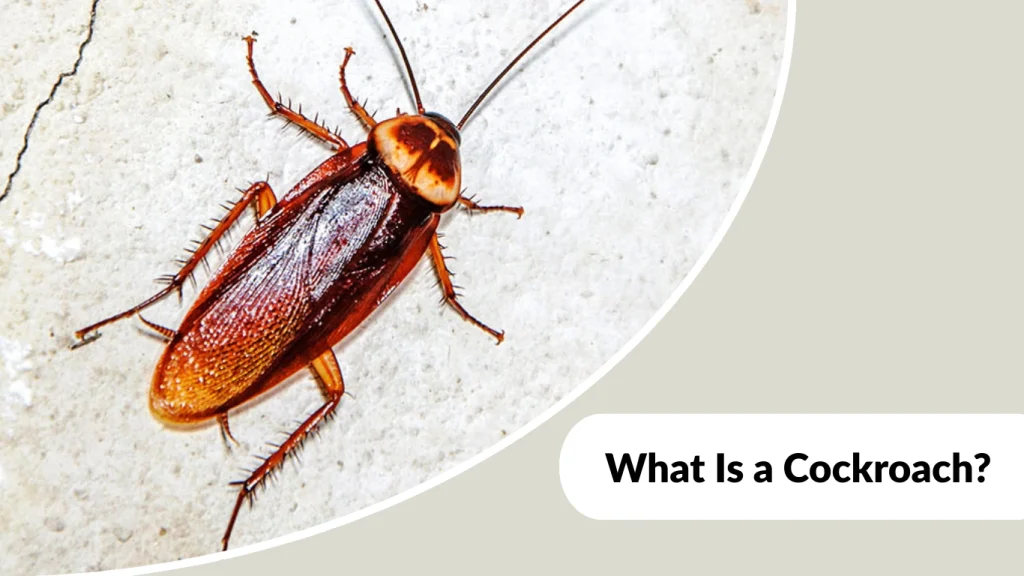
A cockroach is an insect belonging to the order Blattodea. There are more than 4,000 species of cockroaches worldwide, though only a small number are considered household pests. Cockroaches are known for their resilience, ability to adapt, and preference for warm, humid environments.
While many species live outdoors and rarely interact with humans, a few types commonly infest homes and buildings.
American Cockroach
The American cockroach (Periplaneta americana) is one of the largest common species found in homes. It can grow up to 2 inches long and has a reddish-brown body with a yellowish marking behind its head. This species is most often labeled a “palmetto bug” in southern regions.
American cockroaches typically live outdoors but may enter homes through drains, cracks, or gaps under doors.
German Cockroach
The German cockroach is much smaller, usually about half an inch long. It is light brown with two dark stripes running down its back. Unlike the American cockroach, this species thrives indoors and reproduces rapidly.
German cockroaches are more likely to cause serious infestations because they prefer kitchens and bathrooms where food and moisture are readily available.
Oriental and Smokybrown Cockroaches
Oriental cockroaches are dark and shiny, often found in damp basements and crawl spaces. Smokybrown cockroaches are similar in size to American cockroaches and are also commonly called palmetto bugs in certain areas.
Palmetto Bugs vs Cockroach: Key Differences
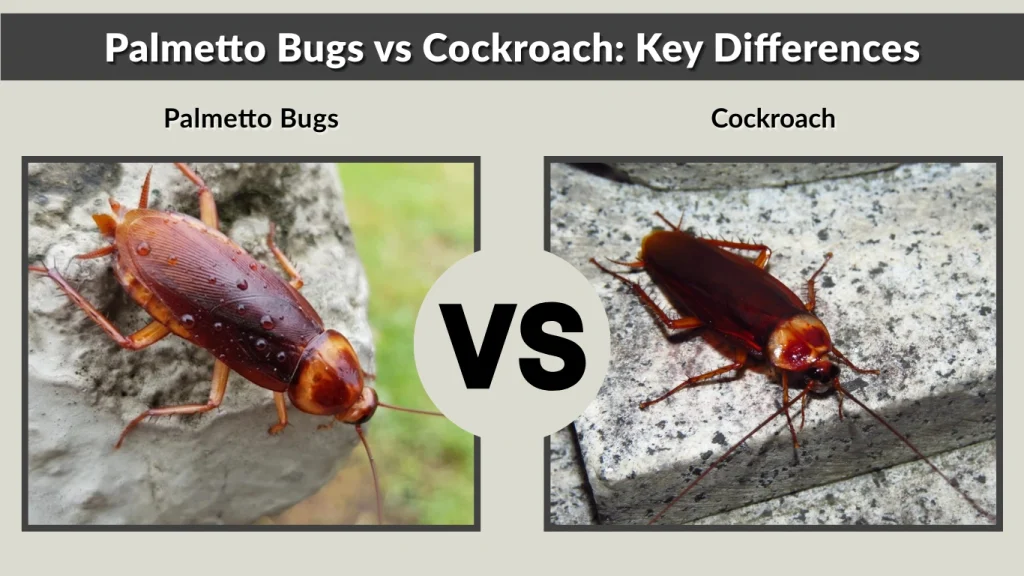
When comparing palmetto bugs vs cockroaches, the biggest distinction is terminology rather than biology. A palmetto bug is generally just a type of cockroach. However, there are some practical differences worth understanding.
Scientific Difference
From a scientific standpoint, “cockroach” is the correct term for the insect. “Palmetto bug” is simply a nickname. There is no separate species officially classified as a palmetto bug.
In most cases, the insect being described is the American cockroach. So biologically speaking, they are the same.
Size and Appearance
Large palmetto bugs (American cockroaches) can grow between 1.5 and 2 inches long. They have:
- Reddish-brown coloring
- Long antennae
- Six legs
- Fully developed wings
German cockroaches, by comparison, are much smaller and lighter in color. Because of their size, American cockroaches tend to cause more panic when spotted.
Habitat and Behavior
One noticeable difference people observe involves habitat. Palmetto bugs (American cockroaches) are primarily outdoor insects. They prefer:
- Mulch beds
- Sewer systems
- Tree bark
- Storm drains
German cockroaches, on the other hand, are indoor pests that live close to food and water sources.
This difference in behavior is why some homeowners insist palmetto bugs are not “real cockroaches.” In reality, they are simply a species that typically lives outside but may wander indoors.
Can They Fly?
Yes, many large cockroach species, including those called palmetto bugs, have wings. However, they do not fly like birds or mosquitoes. Instead, they glide or flutter short distances.
In warm weather, they may appear to fly toward lights or even toward people. This behavior can be startling, which is one reason these insects have a reputation for being aggressive flyers—even though they are not intentionally attacking humans.
Are Palmetto Bugs Just Cockroaches?
In most cases, yes—palmetto bugs are simply cockroaches. The term is largely regional and is most commonly used to describe the American cockroach. There is no scientific distinction separating a palmetto bug from a cockroach.
The reason for the different name is mostly cultural. In many southern states, calling the insect a palmetto bug feels less unpleasant than calling it a cockroach. Since American cockroaches often live outdoors in trees, mulch, and landscaping, homeowners may feel more comfortable thinking of them as outdoor “bugs” rather than household roaches.
However, from a biological standpoint, they belong to the same insect family. So when discussing palmetto bugs vs cockroaches, the debate is about terminology—not species.
Are Palmetto Bugs Dangerous?
Palmetto bugs are not typically aggressive, but they can pose certain health concerns. Like other cockroaches, they often travel through unsanitary areas such as sewers, garbage bins, and drains. As they move, they can pick up bacteria and potentially transfer contaminants to surfaces in your home.
They rarely bite humans, and bites are extremely uncommon. The bigger concern involves allergens. Cockroach droppings, shed skins, and saliva can trigger allergies and worsen asthma symptoms, especially in children.
Compared to German cockroaches—which breed quickly indoors—American cockroaches (palmetto bugs) are less likely to create severe infestations. Still, repeated sightings may indicate a moisture or sanitation issue that needs attention.
Do Palmetto Bugs Infest Homes?
Palmetto bugs are primarily outdoor insects, but they can enter homes under certain conditions. They often come inside during:
- Heavy rain
- Flooding
- Extreme heat
- Sudden temperature changes
They may enter through small cracks, plumbing gaps, dryer vents, or under doors. In many cases, spotting one large roach does not mean you have an infestation. It could simply be an accidental intruder.
However, if you frequently see multiple cockroaches—especially smaller ones—it may signal a breeding population inside your walls, kitchen, or bathroom. Regular sightings, egg casings, or droppings are stronger indicators of a true infestation.
How to Get Rid of Palmetto Bugs and Cockroaches
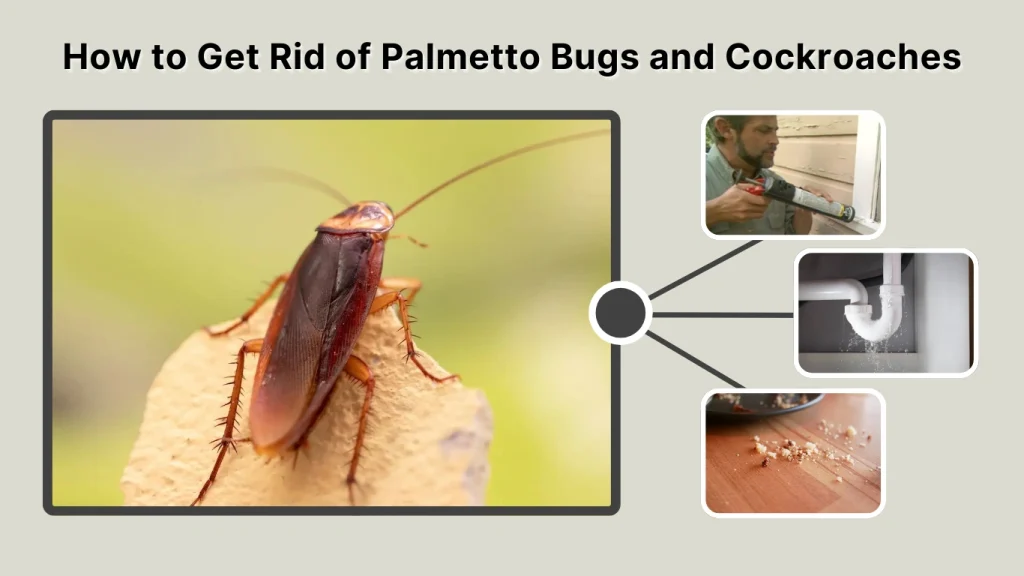
Whether you call them palmetto bugs or cockroaches, prevention and control methods are largely the same.
Prevention Tips
The most effective strategy is making your home less attractive to them:
- Seal cracks around doors, windows, and foundations
- Fix leaking pipes and reduce moisture
- Clean up food crumbs and spills quickly
- Store food in airtight containers
- Keep garbage sealed
Because American cockroaches are drawn to moisture, addressing humidity issues is especially important.
Treatment Options
If you’re already seeing them inside, treatment may be necessary. Common solutions include:
- Boric acid (applied in thin layers along baseboards)
- Gel bait stations
- Sticky traps for monitoring
- Professional pest control for recurring problems
For serious infestations, hiring a licensed exterminator is often the most reliable solution. They can identify the species and apply targeted treatments.
Quick Comparison Table
Here’s a simple breakdown to clarify the palmetto bugs vs cockroach debate:
| Feature | Palmetto Bug | Cockroach |
| Scientific classification | Nickname | Official insect order (Blattodea) |
| Common species | Usually American cockroach | 4,000+ species worldwide |
| Typical habitat | Mostly outdoors | Indoor and outdoor species |
| Infestation risk | Moderate | Depends on species |
| Size | Large (1.5–2 inches) | Varies by species |
This comparison shows that palmetto bugs are not a separate insect—they are simply one type of cockroach.
FAQs
Is a palmetto bug worse than a cockroach?
Not necessarily. A palmetto bug is usually an American cockroach, which tends to live outdoors and does not infest homes as aggressively as German cockroaches. However, any cockroach can carry bacteria and trigger allergies, so prevention is still important.
Why do people call cockroaches palmetto bugs?
The term is commonly used in the southern United States. It likely originated because American cockroaches live near palmetto trees. The name also sounds less unpleasant than “cockroach,” making it a more socially acceptable label.
Do palmetto bugs fly at you?
They can glide short distances using their wings, especially in warm weather. They are not attacking people intentionally—usually they are startled or attracted to light sources.
Are palmetto bugs seasonal?
They are more active in warm, humid months. Sightings often increase during summer or after heavy rain when they seek dry shelter.
Conclusion
When comparing palmetto bugs vs cockroach, the key takeaway is simple: a palmetto bug is typically just an American cockroach. The difference lies in regional language, not biology. While these insects usually prefer outdoor environments, they can enter homes in search of food or shelter. Understanding their behavior, risks, and prevention methods can help you manage sightings effectively and keep your home protected year-round.