
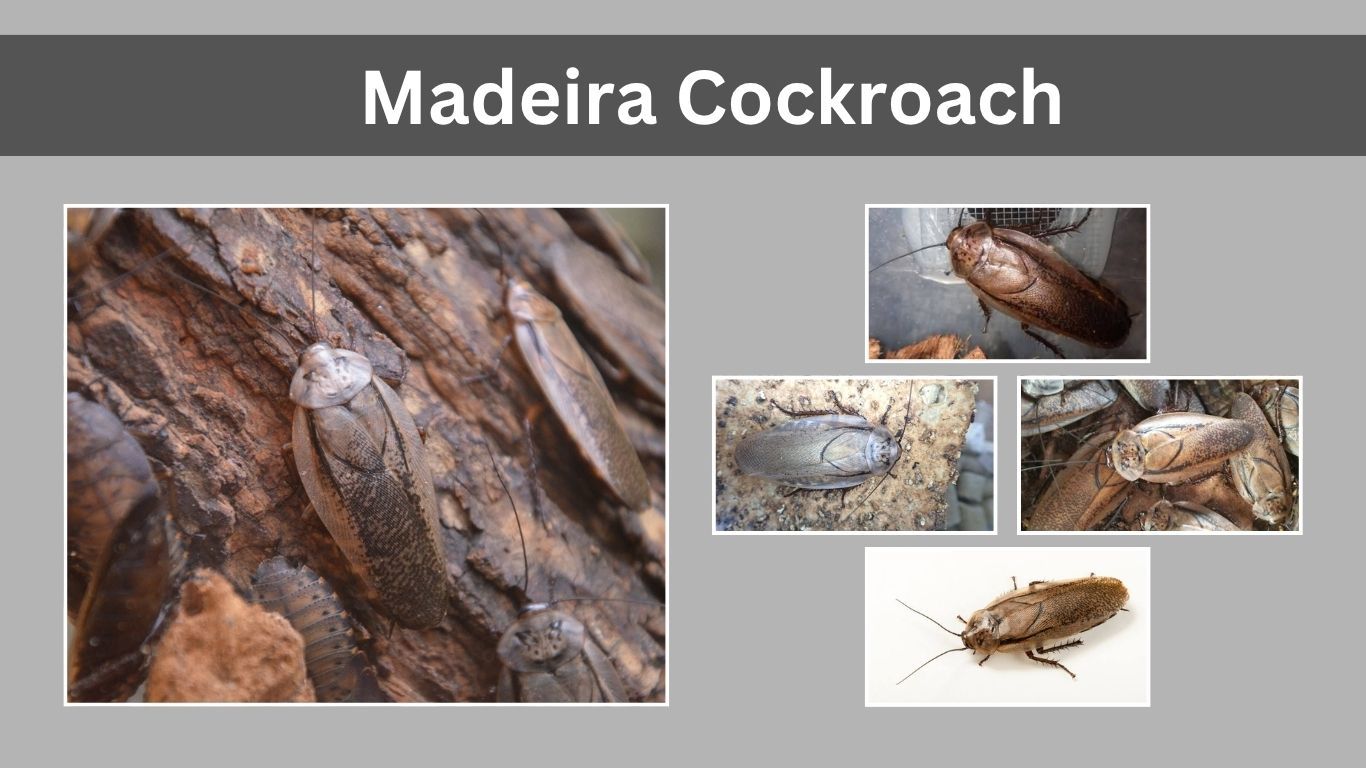
The Madeira cockroach (Rhyparobia maderae) is a fascinating species often misunderstood due to its resemblance to more common pest cockroaches. Unlike those that invade kitchens and cause sanitation concerns, the Madeira cockroach has a unique ecological role and is frequently kept by insect enthusiasts. Known for its manageable size, distinct appearance, and relatively harmless behavior, this species provides valuable insight into cockroach diversity. Exploring its size, color, habitat, behavior, and lifecycle reveals how remarkable this insect truly is.
Physical Characteristics
Size and Shape
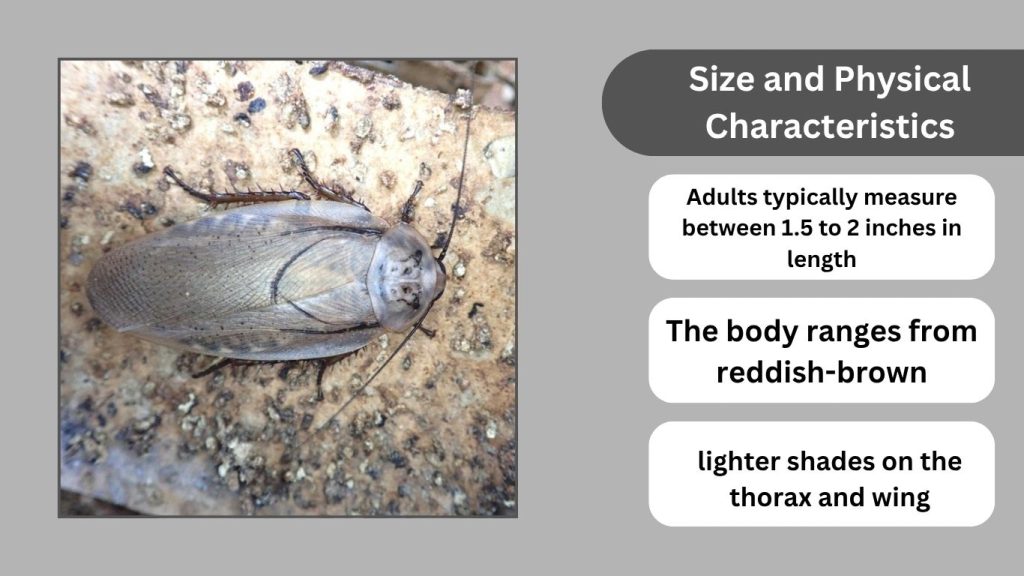
The Madeira cockroach is considered medium to large compared to other species. Adults typically measure between 1.5 to 2 inches (about 3.5 to 5 centimeters) in length. Their bodies are oval and slightly flattened, allowing them to maneuver into crevices for protection. Males are usually slimmer with longer wings, while females tend to be broader, though both are similar in size. This size makes them easy to handle in captivity, especially for those using them as feeder insects.
Coloration and Markings
One of the most striking features of the Madeira cockroach is its coloration. The body ranges from reddish-brown to dark brown, often with lighter shades on the thorax and wings. The wings cover the entire abdomen and may display a faint mottled pattern when viewed closely. Unlike pest cockroaches such as the German or American varieties, the Madeira cockroach does not exhibit greasy or shiny textures. Its coloring blends well into natural environments like decaying leaves and wood.
Wings and Flight Ability
Both male and female Madeira cockroaches possess fully developed wings. While they are not strong fliers, they are capable of gliding short distances when disturbed. In the wild, flight serves as an escape mechanism from predators. In captivity, they rarely attempt to fly unless startled, making them easier to manage than other winged cockroach species. Their gliding ability is more controlled than chaotic, further distinguishing them from nuisance cockroaches often seen darting erratically indoors.
Natural Habitat and Distribution
Geographic Origin
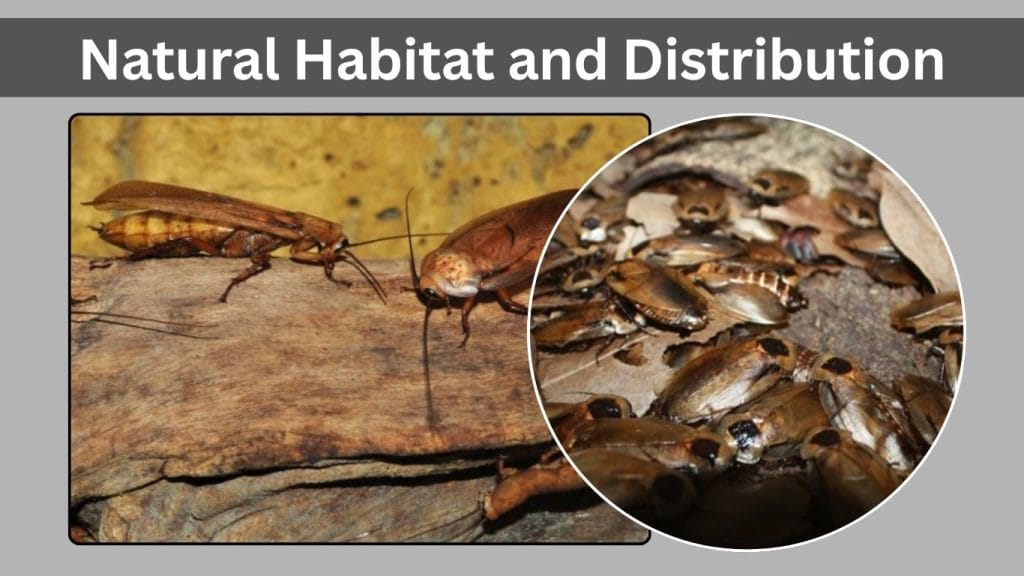
The Madeira cockroach originates from the Madeira Islands, located in the Atlantic Ocean near Portugal. Its name reflects this origin, though it has since spread beyond its native range. Today, populations are also found in parts of Central America, the Caribbean, and subtropical climates where warm and humid conditions prevail. This distribution highlights the insect’s adaptability to different ecological niches.
Preferred Environments
In its natural habitat, the Madeira cockroach thrives in warm, moist environments. Forest floors covered in decaying leaves, logs, and organic matter provide the perfect shelter. The insect favors dark, hidden places that maintain consistent humidity, as it is less tolerant of dry conditions. Unlike pest species, it does not actively seek human homes but may occasionally be found near stored goods or vegetation in agricultural regions.
Adaptability
Despite its preferences for natural habitats, the Madeira cockroach adapts well to artificial enclosures, which is why it has become popular in the pet trade. Provided with proper heat and humidity, captive colonies can flourish with minimal effort. Their adaptability demonstrates their survival resilience, though they are far less invasive than species like the German cockroach. For breeders, this adaptability makes them reliable for feeding reptiles, amphibians, and arachnids.
Behavior and Lifestyle
General Behavior
Madeira cockroaches are primarily nocturnal. During the day, they hide beneath debris, bark, or soil, emerging at night to feed and interact. Their activity levels increase in darkness, where they scavenge for food and explore their surroundings. Unlike pest cockroaches that display frantic movements, Madeira cockroaches move with slower, deliberate motions unless threatened. This makes them appear less intimidating to those who observe them closely.
Feeding Preferences
Omnivorous in nature, Madeira cockroaches consume a wide variety of organic materials. Their diet includes rotting plant matter, fruits, grains, and other decomposing material. In captivity, they readily accept vegetables, grains, and commercial cockroach diets. This scavenging behavior plays an important ecological role, as they help recycle nutrients back into the soil. By breaking down organic waste, Madeira cockroaches contribute to the health of ecosystems, much like earthworms and other decomposers.
Social Structure and Interaction
Madeira cockroaches often live in groups rather than as solitary individuals. Colonies consist of nymphs and adults that coexist without significant aggression. Unlike more territorial insects, they tolerate one another well, which makes captive breeding relatively stress-free. Communication occurs through chemical signals, primarily pheromones, that help regulate mating and group cohesion. Tactile signals such as antennae contact are also used during interactions. Their social tendencies further emphasize their suitability for managed colonies.
Reproduction and Lifecycle
Mating Behavior
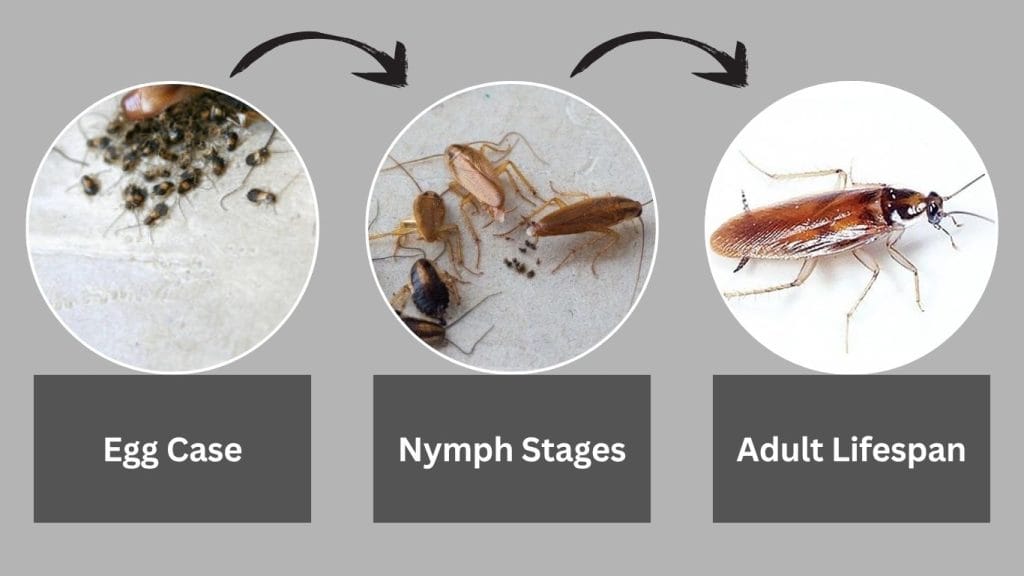
The reproductive cycle of the Madeira cockroach is fascinating and efficient. Mating usually takes place during the nighttime when activity levels are highest. Males locate females through pheromone cues, engaging in courtship behaviors such as wing-raising and antennal contact. Once a male successfully mates with a female, fertilization occurs internally, and the female begins producing egg cases, known as oothecae.
Egg Case (Ootheca) Development
The ootheca is one of the most distinctive reproductive features of cockroaches, and the Madeira cockroach is no exception. Each ootheca is a small, capsule-like structure that contains dozens of eggs. The female carries it briefly before depositing it in a secure, hidden location. The incubation period can range from several weeks to a few months, depending on temperature and humidity. Proper environmental conditions are crucial for the successful development of embryos inside the ootheca.
Nymph Stages
Once the eggs hatch, the emerging young are known as nymphs. Nymphs are smaller, wingless versions of adults and appear lighter in color. Over time, they undergo a series of molts, shedding their exoskeleton to accommodate growth. Each molt brings them closer in resemblance to adults, gradually darkening in color and developing wing structures. The number of molts can vary, but it typically takes several months for a nymph to reach adulthood.
Adult Lifespan
The adult Madeira cockroach can live for more than a year under favorable conditions. In captivity, where predators are absent and food is plentiful, they may live even longer. Factors such as temperature, nutrition, and stress levels influence their longevity. This extended lifespan compared to other feeder insects adds to their appeal in reptile and amphibian husbandry.
Interaction with Humans
Role in Captivity
The Madeira cockroach has gained popularity in captivity, primarily as a feeder insect for reptiles, amphibians, and arachnids. Its manageable size, slow movement, and high reproductive rate make it a sustainable option for pet owners. Unlike crickets, which can be noisy and die quickly, Madeira cockroaches are quiet, hardy, and relatively odor-free. They also provide good nutritional value, especially when gut-loaded with healthy foods before being offered as prey.
Misconceptions and Fear
Like many cockroach species, Madeira cockroaches suffer from a negative reputation. People often associate them with filth and disease, a stigma earned by invasive household species such as the German cockroach. However, Madeira cockroaches are not household pests. They rarely infest human dwellings and do not spread harmful bacteria. Instead, they are primarily outdoor or captive insects, harmless to people and beneficial in their environments.
Ecological Benefits
Beyond their role in captivity, Madeira cockroaches play a valuable role in ecosystems. By feeding on decaying organic matter, they accelerate decomposition and help recycle nutrients. This process enriches the soil, supporting plant growth and maintaining ecosystem balance. They act as silent recyclers, performing work essential to healthy natural environments.
Survival Strategies
Defense Mechanisms
Madeira cockroaches rely on a combination of stealth and escape to survive in the wild. Their brown coloration camouflages them against bark, soil, and leaf litter. When threatened, they can dart into crevices or use short bursts of gliding flight to escape. Unlike some cockroach species that produce strong defensive odors, Madeira cockroaches rely more on speed and concealment for protection.
Environmental Tolerance
While hardy, Madeira cockroaches are less adaptable than pest species. They require warm, humid conditions and cannot thrive in cold or dry climates. This environmental limitation reduces their potential as invasive household pests. However, within their preferred range, they demonstrate impressive resilience, surviving on a variety of food sources and enduring moderate fluctuations in conditions.
Common Comparisons with Other Cockroaches
Madeira vs. American Cockroach
The American cockroach (Periplaneta americana) is often feared as a common household pest, but it differs significantly from the Madeira species. American cockroaches are larger, averaging 2–2.5 inches in length, and display more aggressive behavior when disturbed. They are highly adaptable and thrive in urban environments. In contrast, Madeira cockroaches remain less invasive, preferring natural or managed habitats rather than human dwellings.
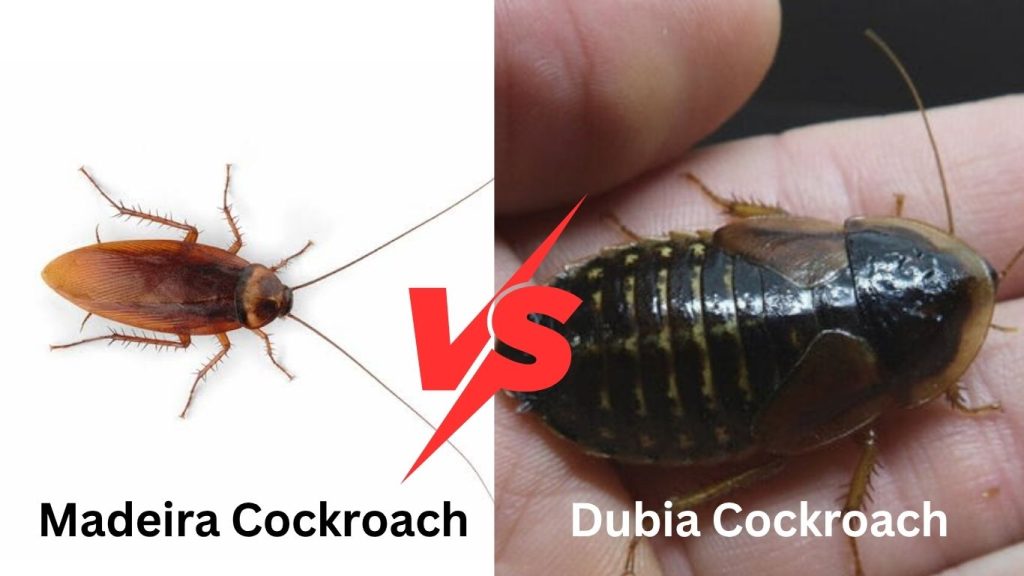
Madeira vs. Dubia Cockroach
The Dubia cockroach (Blaptica dubia) is another species popular in the pet trade. While both species serve as feeder insects, Dubia cockroaches are flightless, making them even easier to contain. Madeira cockroaches, however, grow slightly larger and breed more quickly, offering a higher yield for colony keepers. Pet owners often choose between the two based on preferences for containment and breeding rates.
Conservation and Ecological Significance
Madeira cockroaches are not currently endangered, and their populations remain stable in native and introduced habitats. However, habitat destruction caused by deforestation and agricultural expansion could reduce their numbers in some regions. Maintaining ecological balance in forests and preserving decomposer communities like cockroaches ensures that essential nutrient cycling processes continue. While often overlooked, the Madeira cockroach is an important part of this natural chain.
FAQs
What makes the Madeira cockroach different from common household cockroaches?
Unlike common household pests such as the German or American cockroach, Madeira cockroaches rarely infest homes. They prefer outdoor environments and are primarily used in captivity as feeder insects. They also lack the disease-spreading tendencies of pest species, making them harmless companions in managed colonies.
How long does it take for a Madeira cockroach to reach adulthood?
The time from hatching to adulthood depends on temperature and humidity but generally ranges from six to twelve months. During this period, nymphs undergo several molts, gradually developing wings and adult coloration. Optimal conditions shorten this growth period, making them efficient breeders in captivity.
Can Madeira cockroaches fly inside homes?
Yes, Madeira cockroaches are capable of flight, but they are not strong fliers. Instead, they glide short distances when startled. In captivity, they rarely attempt flight unless disturbed. Unlike household cockroaches, they do not actively invade kitchens or pantries, reducing concerns of indoor infestation.
Are Madeira cockroaches harmful to humans or pets?
No, Madeira cockroaches are not harmful. They do not spread diseases or infest homes. In fact, they are widely used as nutritious feeder insects for reptiles, amphibians, and other exotic pets. Their docile nature and ease of care make them a safe addition to captive environments.
Why are Madeira cockroaches popular in the pet trade?
Their popularity comes from their ease of breeding, quiet behavior, and nutritional value. Compared to crickets or mealworms, Madeira cockroaches live longer and provide more consistent food for pets. Their ability to thrive in captivity with minimal care makes them a reliable choice for reptile and amphibian owners.