
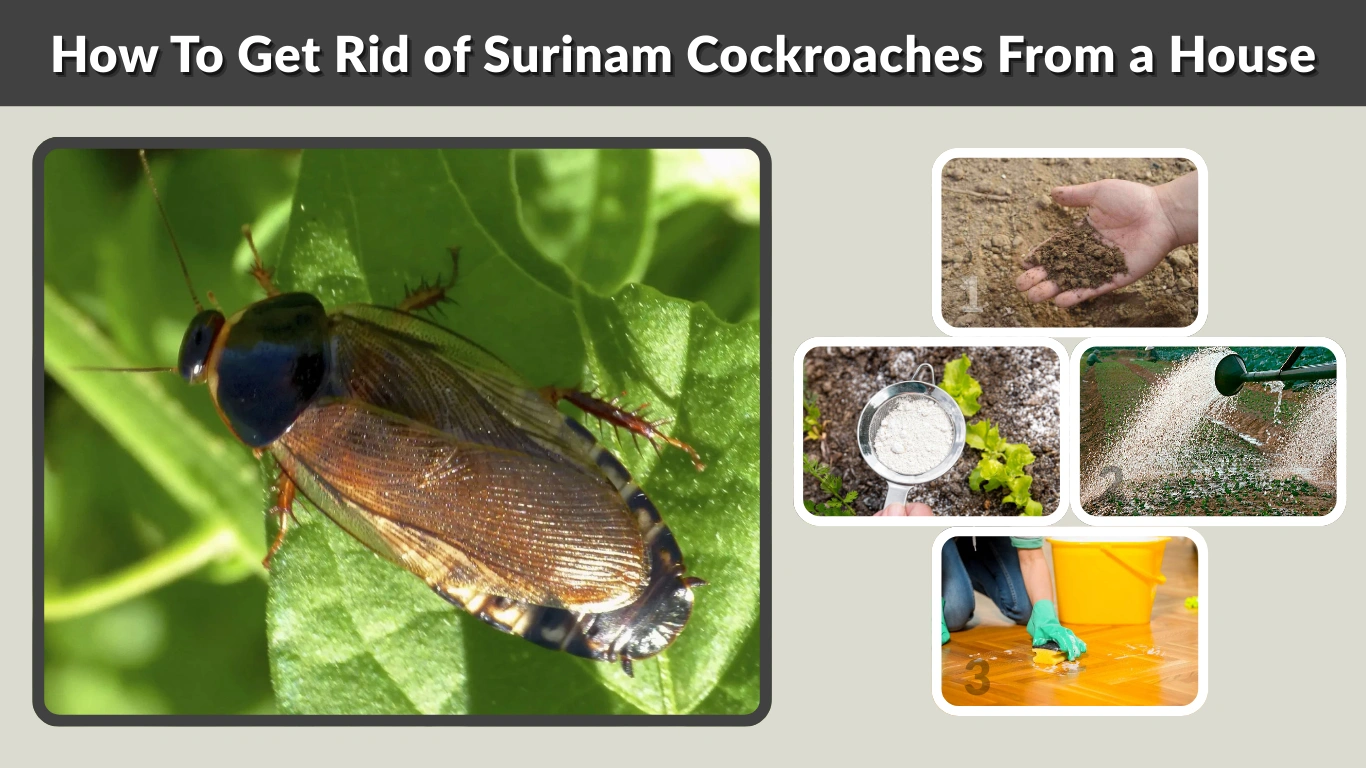
Finding a Surinam cockroach inside your home can be frustrating—especially if you keep a clean house. Unlike other common roach species, Surinam cockroaches are strongly connected to soil and moisture. They often enter homes through potted plants, damp areas, or from mulch around the foundation. The good news? You can get rid of them naturally without harsh chemicals. This step-by-step guide will help you remove current roaches and prevent them from coming back.
Step 1: Confirm It’s a Surinam Cockroach
Before starting treatment, make sure you’re dealing with the right pest. Surinam cockroaches are small to medium-sized, reddish-brown to dark brown, and have wings. They are commonly found near indoor plants, bathrooms, kitchens, and other humid areas.
One key difference is their strong connection to soil. If you mostly see them near potted plants or after heavy rain, there’s a high chance they’re Surinam cockroaches. Correct identification matters because natural control focuses heavily on moisture and soil management.
Step 2: Remove Moisture Sources Immediately
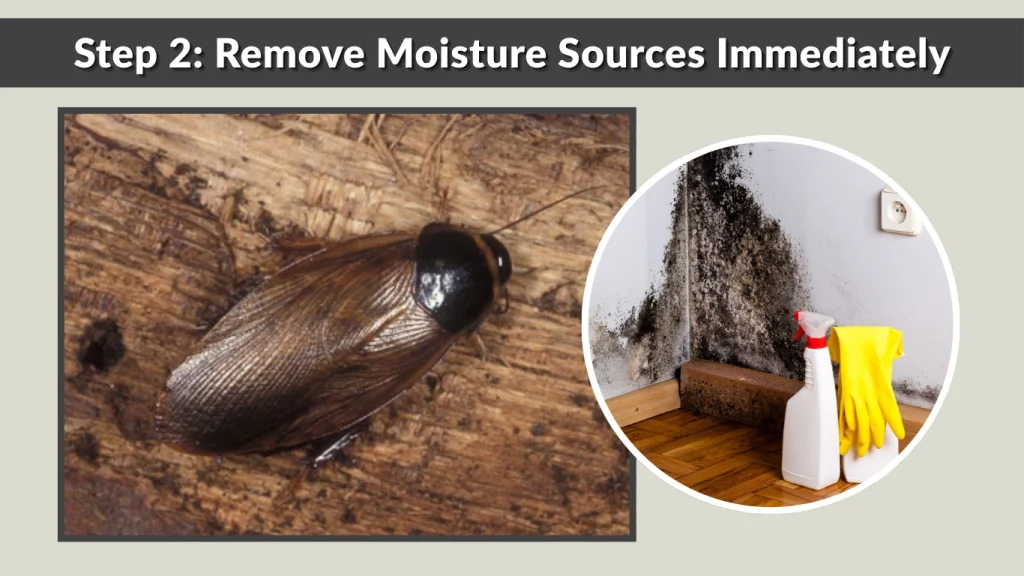
Moisture is the number one reason Surinam cockroaches stay indoors. Start here.
Check for leaks
- Inspect under sinks.
- Check around toilets.
- Look at AC drain lines.
- Examine laundry areas.
Even small drips can attract them.
Improve ventilation
- Run bathroom exhaust fans during and after showers.
- Open windows when weather allows.
- Use fans to increase airflow in damp rooms.
Dry out problem areas
- Wipe up standing water immediately.
- Never leave water sitting in plant trays.
- Consider placing small bowls of baking soda or rock salt in humid corners to help absorb excess moisture (replace regularly).
Within a few days of reducing moisture, your home becomes far less inviting to these roaches.
Step 3: Inspect and Treat Potted Plants
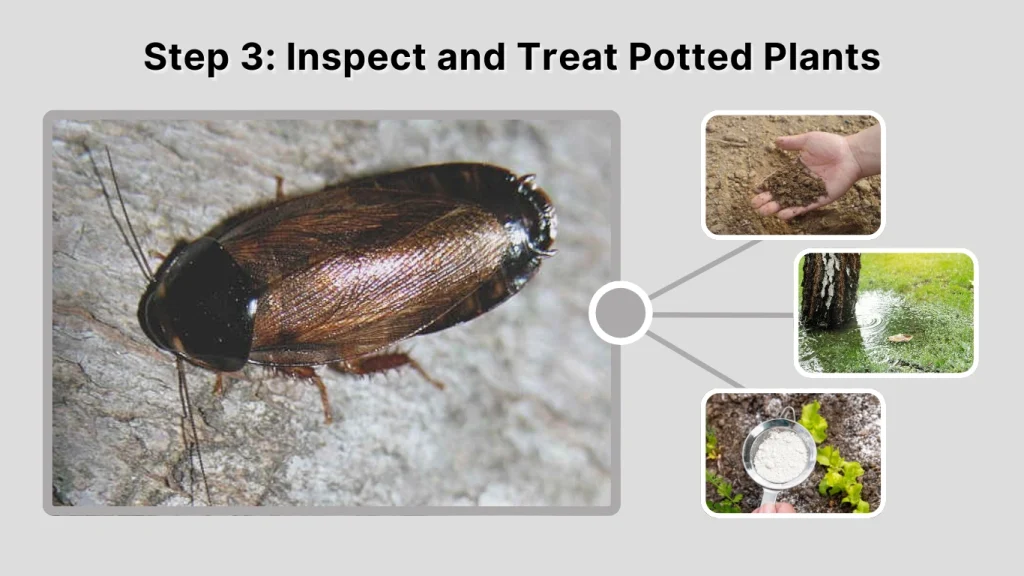
Indoor plants are one of the most common hiding places for Surinam cockroaches.
Quarantine suspected plants
If you notice activity near certain plants, move them outside temporarily if possible.
Let soil dry properly
Surinam cockroaches love constantly moist soil. Allow the top 1–2 inches of soil to dry between waterings. Avoid overwatering.
Remove standing water
Empty and clean pot trays. Wash them with soapy water and dry them completely before placing them back.
Add a natural barrier
Once the soil surface is dry:
- Sprinkle a thin layer of food-grade diatomaceous earth on top.
- Alternatively, add a thin layer of coarse sand to discourage hiding.
This step alone often dramatically reduces activity.
Step 4: Deep Clean Target Areas
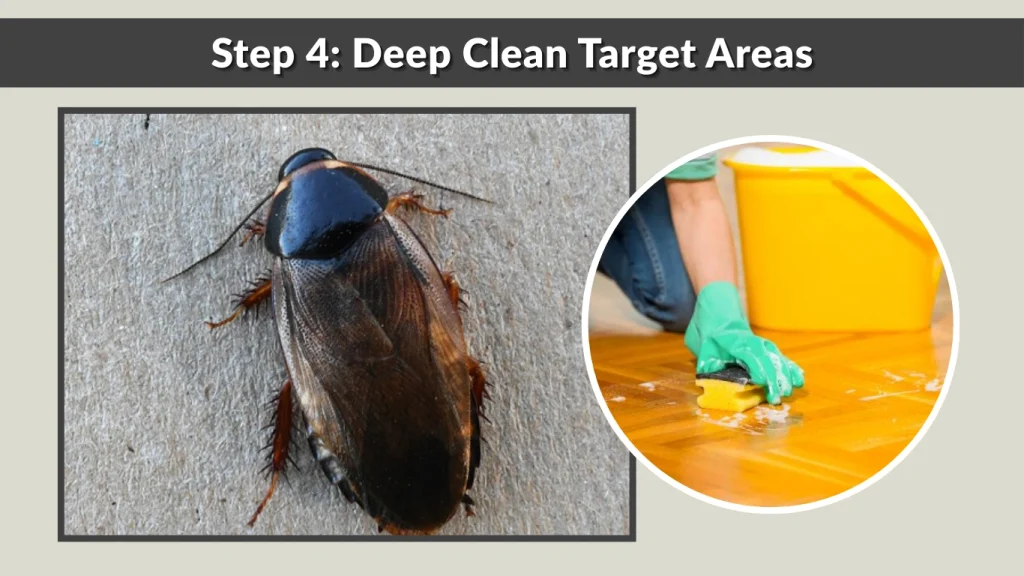
Even though Surinam cockroaches prefer soil, they will explore your home for food and water.
Focus on:
- Baseboards
- Behind the refrigerator
- Under the stove
- Under sinks
- Around plant shelves
Vacuum thoroughly along edges and tight corners. Follow up with warm, soapy water to remove debris and scent trails.
Take out trash nightly and store dry goods in sealed containers. While food may not be their primary attraction, removing easy access eliminates additional motivation for them to stay.
Step 5: Apply a Natural Indoor Dust Barrier
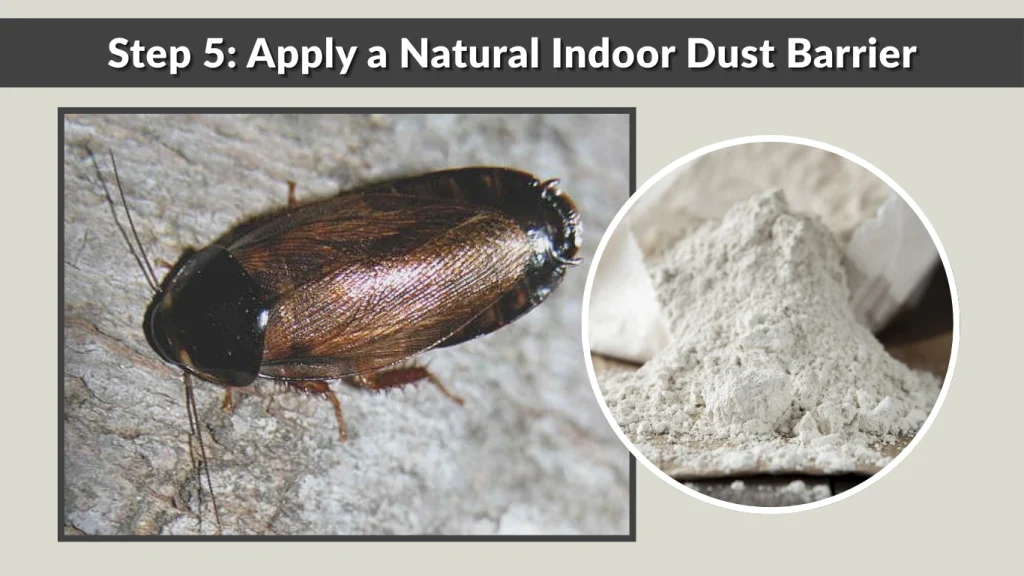
Food-grade diatomaceous earth (DE) is one of the most effective natural solutions.
Lightly dust:
- Along baseboards
- Behind appliances
- Under sinks
- Around plant areas
- Near entry points
Use a very thin layer—almost invisible. More is not better. DE must stay dry to work effectively. Avoid applying it in damp areas, and keep it out of places where pets or children might disturb it.
Over time, this natural powder helps reduce remaining roaches without introducing toxic chemicals into your home.
Step 6: Seal Entry Points Around Your Home
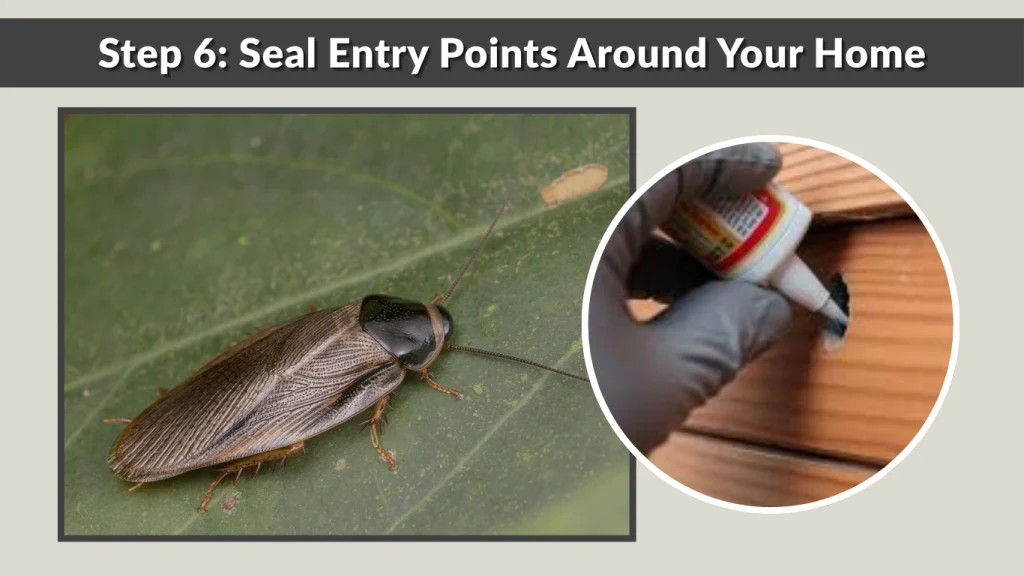
Surinam cockroaches often come from outside, especially from moist soil, mulch, and garden beds close to your home. If you don’t block their entry points, new ones may continue to wander inside.
Install door sweeps
Check exterior doors for gaps underneath. Even a small space is enough for a roach to enter. Install tight-fitting door sweeps and weather stripping where needed.
Seal cracks and crevices
Use caulk to seal:
- Gaps around window frames
- Cracks along baseboards
- Openings where pipes enter under sinks
- Small foundation cracks
Pay special attention to areas near bathrooms and kitchens, since moisture makes those spaces more attractive.
Screen vents and openings
Make sure vents and weep holes are properly screened (not blocked). Fine mesh prevents insects from entering while still allowing airflow.
Blocking entry points ensures that even if roaches live outside in your yard, they can’t easily migrate indoors.
Step 7: Fix the Outdoor “Launch Zone”
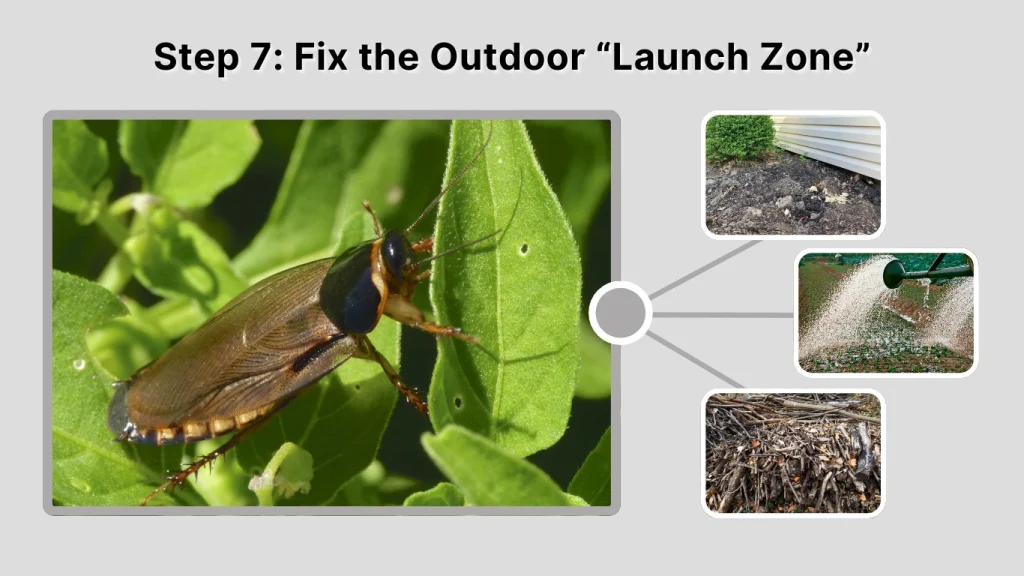
If Surinam cockroaches are common in your area, the problem may start outside.
Move mulch away from the foundation
Keep mulch, soil, and leaf litter at least 6–12 inches away from your home’s exterior walls. Moist mulch creates a perfect hiding place.
Avoid overwatering
Water garden beds in the morning so the soil has time to dry during the day. Reduce excessive moisture near the foundation.
Remove clutter
Clear away:
- Stacked pots
- Wood piles
- Damp cardboard
- Compost stored too close to walls
These areas trap moisture and provide shelter.
Adjust outdoor lighting
Bright white lights near doors can attract insects at night. Consider switching to warmer bulbs or relocating lights slightly away from entrances.
Reducing outdoor hiding areas greatly lowers the number of roaches that attempt to enter your home.
Step 8: Use Natural Repellents (Optional Support Step)
Natural repellents can support your main efforts—but they should not replace moisture control and sealing.
Peppermint oil spray
Mix:
- 10–15 drops peppermint essential oil
- 1 cup water
- A few drops of mild dish soap
Shake well and lightly spray around entry points and baseboards. Avoid heavy use, especially around pets (particularly cats, which can be sensitive to essential oils).
Cedar
Cedar blocks or sachets placed in storage areas or closets may provide mild repelling effects.
Remember, repellents work best after you’ve eliminated moisture and soil-related hiding spots.
7-Day and 30-Day Monitoring Plan
After 7 Days
Check any sticky traps you placed earlier.
- High activity near plants? Reassess watering habits and soil treatment.
- Activity near doors or windows? Improve sealing.
- Activity near bathrooms? Recheck for hidden leaks.
By this point, you should notice a clear decline in sightings.
After 30 Days
Maintain these habits:
- Water plants carefully (never leave standing water).
- Vacuum edges weekly.
- Keep mulch pulled back from the house.
- Reapply diatomaceous earth in dry areas if needed.
Consistency is what prevents reinfestation.
Common Mistakes to Avoid
- Overwatering indoor plants.
- Applying diatomaceous earth in damp areas.
- Relying only on sprays without fixing moisture problems.
- Leaving pet food out overnight.
- Ignoring outdoor mulch and debris near the foundation.
Natural methods work—but only when the root causes are addressed.
When to Call a Professional
If you still see roaches daily after 2–3 weeks of consistent effort, consider professional help. This is especially important in apartments, where the source may be coming from neighboring units.
Ask for an Integrated Pest Management (IPM) approach that focuses on inspection, exclusion, and minimal chemical use.
FAQs
Are Surinam cockroaches dangerous?
Surinam cockroaches are not known to bite or spread disease as aggressively as some other roach species. However, like all cockroaches, they can contaminate surfaces with bacteria and trigger allergies in sensitive individuals. It’s still important to remove them quickly to maintain a clean and healthy home environment.
Do Surinam cockroaches come from houseplants?
Yes, indoor potted plants are one of the most common sources. These roaches prefer moist soil and may already be present in potting mix or outdoor plants brought inside. Overwatering makes the environment even more attractive, which is why proper soil drying and tray cleaning are essential.
Does vinegar kill Surinam cockroaches?
Vinegar may kill a roach on direct contact, but it is not an effective long-term solution. It does not eliminate hiding spots, eggs, or soil infestations. Vinegar works better as a cleaning agent to remove scent trails rather than as a primary control method.
Is diatomaceous earth safe to use indoors?
Food-grade diatomaceous earth is generally safe when used correctly. Apply a very light dusting in dry areas and avoid inhaling the powder. Keep it out of reach of pets and children where it could be disturbed. It remains effective as long as it stays dry.
How long does it take to get rid of Surinam cockroaches naturally?
With consistent moisture control, plant treatment, sealing entry points, and monitoring, you may see improvement within 7 days. Full elimination typically takes 2–4 weeks, depending on the severity of the problem and how well preventive steps are maintained.