
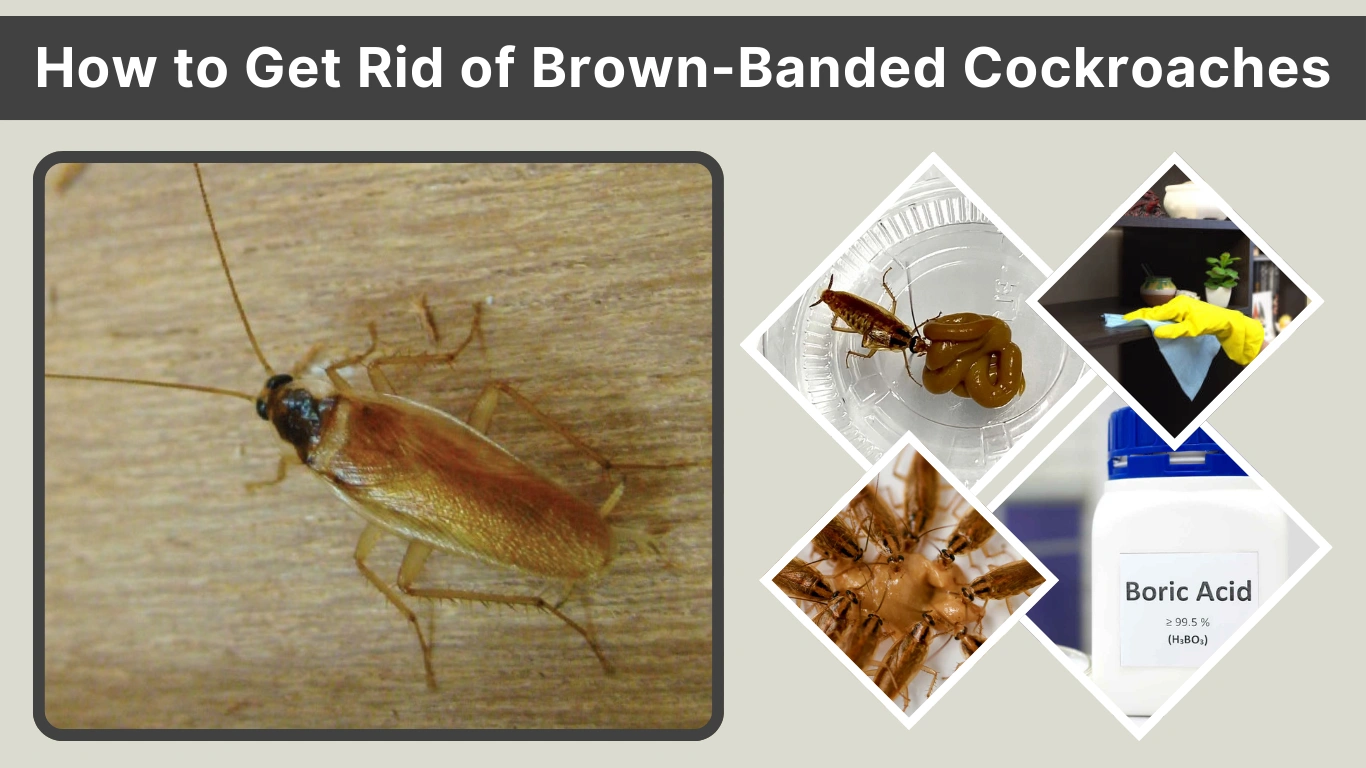
Brown-banded cockroaches are small but stubborn pests that can spread throughout your home without being noticed at first. Unlike German cockroaches that stay near kitchens and moisture, brown-banded roaches prefer warm, dry areas like bedrooms, closets, living rooms, and even inside electronics. Because they hide in elevated spaces and attach egg cases to furniture and walls, eliminating them requires a targeted approach. This guide will walk you through how to identify, treat, and control a brown-banded cockroach infestation effectively.
Identify the Infestation First
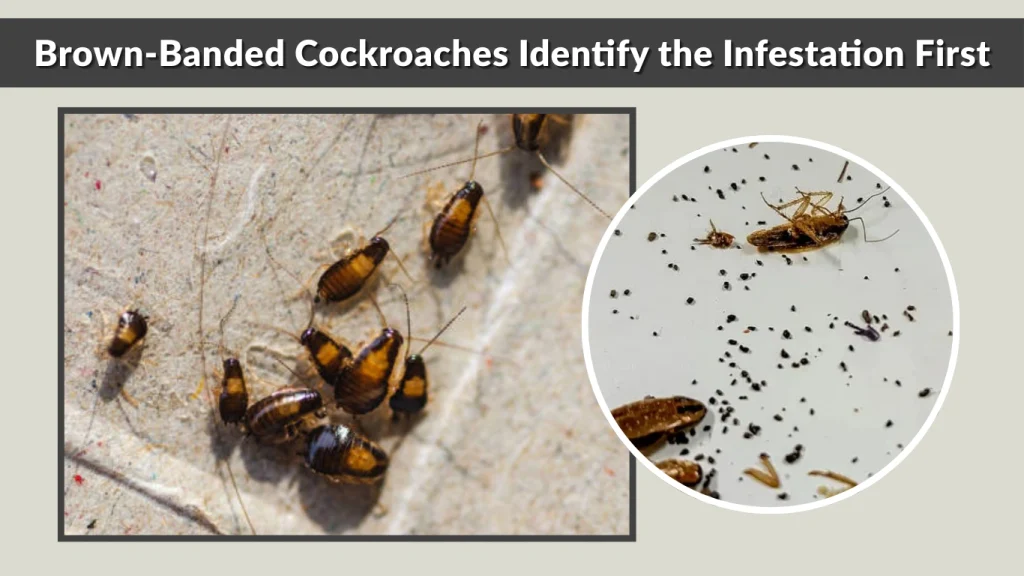
Before starting treatment, it’s important to confirm you’re dealing with brown-banded cockroaches. Proper identification ensures you use the correct control methods.
Confirm It’s Brown-Banded Cockroaches
Brown-banded cockroaches are light brown to dark brown and have two lighter horizontal bands across their wings and abdomen. These bands are their most distinguishing feature.
Key identification signs include:
- Small size (about 1/2 inch or smaller)
- Found in dry rooms, not just kitchens
- Frequently located high on walls, ceilings, or upper cabinets
- Males may flutter or glide when disturbed
If you’re seeing roaches in bedrooms, behind picture frames, or inside furniture rather than under sinks, brown-banded cockroaches are likely the problem.
Common Signs of Infestation
Even if you don’t see live roaches often, there are several warning signs:
Egg Cases (Oothecae):
Brown-banded females attach small, capsule-shaped egg cases to hidden surfaces like furniture, ceilings, cabinet undersides, and inside closets.
Droppings:
Their droppings resemble black pepper or fine coffee grounds and may appear on shelves, drawers, or elevated surfaces.
Shed Skins:
As nymphs grow, they molt and leave behind light brown shed exoskeletons.
Damage to Items:
They may chew on glue, book bindings, paper, wallpaper paste, or fabric.
Early detection is crucial. The longer the infestation continues, the more egg cases are deposited throughout the home.
Why Brown-Banded Cockroaches Are Difficult to Eliminate
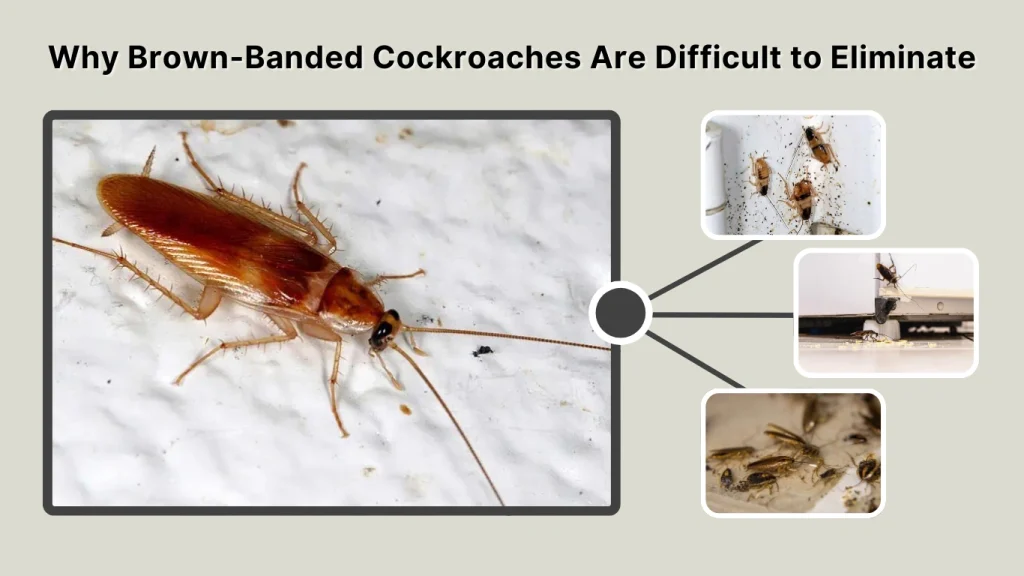
Brown-banded cockroaches present unique challenges compared to other species.
They Prefer Dry, Elevated Areas
Most homeowners focus pest control efforts in kitchens and bathrooms. However, brown-banded cockroaches often live:
- Inside bedroom furniture
- Behind wall decorations
- In closets
- Near ceilings
- Inside electronics
This wide distribution makes them harder to locate and treat.
Egg Cases Are Hidden Throughout the Home
Unlike German cockroaches, which carry their egg cases until hatching, brown-banded females glue their egg cases to hidden surfaces. These egg cases are often overlooked during cleaning or treatment, allowing new generations to hatch weeks later.
If egg cases are not removed or treated, infestations can quickly return.
They Don’t Rely Heavily on Moisture
Because they can survive in drier environments, simply fixing leaks or reducing moisture will not eliminate them. They obtain enough water from food sources, which allows them to spread into nearly any room.
For this reason, treatment must focus on thorough inspection and strategic bait placement rather than moisture control alone.
Step-by-Step Guide to Get Rid of Brown-Banded Cockroaches
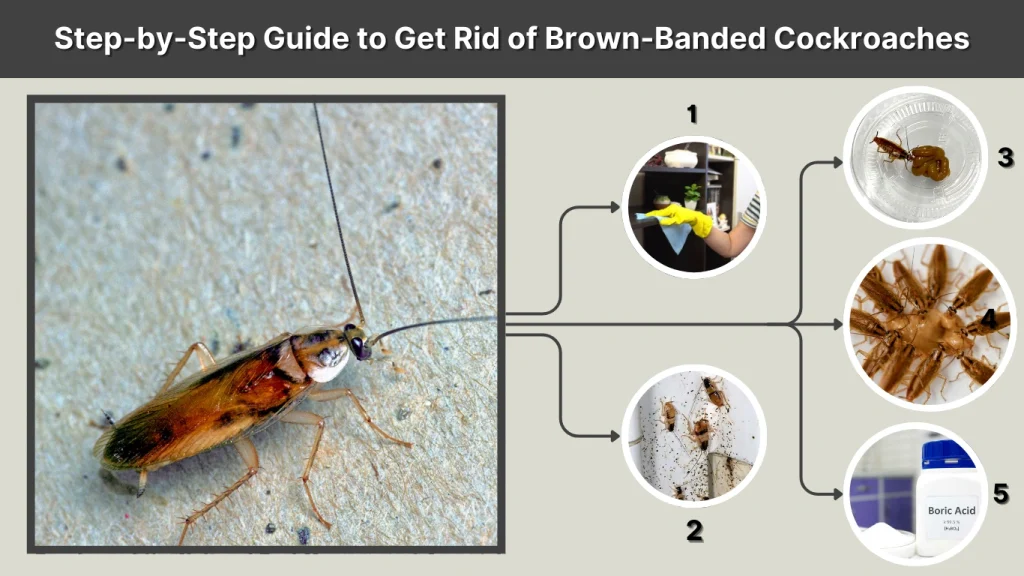
Eliminating brown-banded cockroaches requires a combination of cleaning, targeted treatments, and ongoing monitoring.
Step 1: Deep Cleaning and Decluttering
Decluttering is one of the most important first steps.
Brown-banded cockroaches hide in paper stacks, cardboard boxes, stored clothing, and unused furniture. Reducing clutter limits their hiding spots and makes treatment more effective.
Focus on:
- Removing unnecessary cardboard and paper
- Organizing closets and storage areas
- Vacuuming shelves, baseboards, and ceiling corners
- Cleaning behind and underneath furniture
- Wiping down upper cabinets and wall décor
When vacuuming, use a crevice tool to reach cracks and tight spaces. Dispose of the vacuum bag immediately afterward.
Cleaning alone will not eliminate the infestation, but it significantly improves treatment success.
Step 2: Target High and Hidden Areas
Unlike many other roaches, brown-banded cockroaches often live above eye level.
Carefully inspect:
- Upper cabinets
- Ceiling corners
- Curtain rods
- Behind picture frames
- Inside clocks and wall décor
- Behind headboards
- Inside electronics like TVs, routers, and gaming consoles
Electronics are especially attractive because they generate warmth. If roaches are found inside electronics, treatment must be handled carefully to avoid damage.
By focusing on elevated and dry areas, you directly target the species’ preferred habitat.
Step 3: Use Gel Baits Strategically
Gel baits are one of the most effective tools for eliminating brown-banded cockroaches.
Apply small pea-sized placements of gel bait in:
- Cracks and crevices
- Inside cabinet hinges
- Behind furniture
- Along shelf edges
- Near suspected hiding areas
Avoid placing bait in open, exposed areas. Instead, apply it where roaches naturally travel.
Important tips:
- Do not spray insecticide near bait placements, as this can repel roaches from feeding.
- Replace bait as it dries out or is consumed.
- Use multiple bait placements throughout the home, not just in the kitchen.
Baits work by allowing roaches to feed and carry the poison back to hiding areas, spreading it to other roaches.
Step 4: Apply Insect Growth Regulators (IGRs)
Insect Growth Regulators (IGRs) are an important part of long-term brown-banded cockroach control. While gel baits kill active roaches, IGRs prevent immature roaches (nymphs) from developing into reproducing adults.
IGRs work by disrupting the molting process. Nymphs exposed to IGRs may die during development or become sterile adults that cannot reproduce.
Apply IGRs in:
- Upper wall voids
- Behind cabinets
- Closet corners
- Around furniture joints
- Along baseboards and shelving
Using IGRs alongside bait significantly reduces the chance of reinfestation because it breaks the life cycle.
Step 5: Use Boric Acid (Optional Supplemental Treatment)
Boric acid can be an effective supplement when used properly. It works by damaging the cockroach’s digestive system after ingestion.
To use safely and effectively:
- Apply a very thin, barely visible layer in cracks and crevices
- Avoid thick piles, which roaches will avoid
- Place in hidden, dry areas
- Keep away from pets and children
Boric acid should not replace gel bait but can enhance results when used strategically in wall voids or behind furniture.
Step 6: Monitor with Sticky Traps
Sticky traps are not a primary elimination tool, but they are valuable for monitoring activity levels.
Place sticky traps:
- Along walls
- Inside cabinets
- Behind furniture
- Near suspected hotspots
- In upper storage areas
Check traps weekly to track progress. A steady decrease in trapped roaches indicates the treatment plan is working. If activity remains high in a specific area, concentrate additional bait and treatment there.
Monitoring helps ensure you’re targeting the right locations rather than guessing.
What NOT to Do
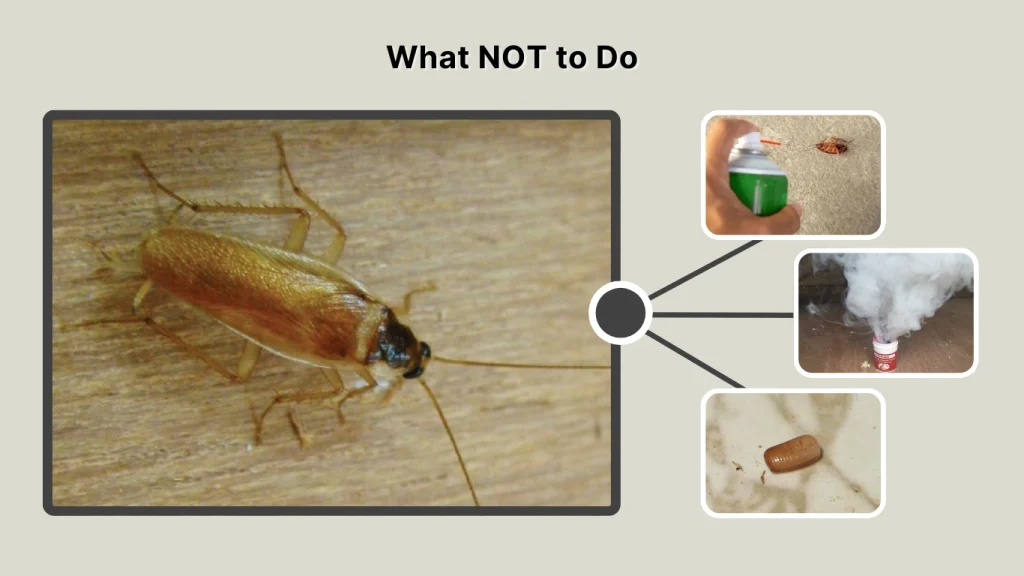
Many DIY attempts fail because of common mistakes. Avoid the following:
Don’t Overuse Sprays
Spraying large areas with insecticide can repel cockroaches and push them deeper into hiding. It can also interfere with bait effectiveness.
Don’t Use Foggers or Bug Bombs
Foggers are rarely effective against brown-banded cockroaches because they do not penetrate cracks, crevices, or hidden egg case locations. They may temporarily reduce visible roaches but will not eliminate the infestation.
Don’t Ignore Egg Cases
Since brown-banded cockroaches glue egg cases to surfaces, physically removing them when found is important. Scrape them off and dispose of them properly.
Don’t Treat Only the Kitchen
This species spreads throughout dry areas of the home. Focusing treatment only in kitchens and bathrooms will leave large portions of the infestation untouched.
How Long Does It Take to Eliminate Brown-Banded Cockroaches?
Elimination is not immediate. Because egg cases hatch over time, you may continue to see some activity for several weeks.
Typical timeline:
- First 1–2 weeks: Reduction in visible adults
- 3–4 weeks: Decline in nymph activity
- 4–8 weeks: Significant population collapse (if treatment is consistent)
Consistency is key. Reapply bait as needed and continue monitoring until no activity is detected for at least one month.
When to Call a Professional Exterminator
While many small infestations can be managed with proper baiting and cleaning, professional help may be necessary if:
- Roaches are found in multiple rooms
- Egg cases are widespread
- Roaches are inside electronics
- DIY methods show little improvement after several weeks
- You live in an apartment or multi-unit building
In multi-unit housing, infestations can spread between units, making coordinated treatment essential.
Professional pest control services have access to stronger formulations and specialized tools that may resolve severe infestations more efficiently.
Prevention Tips to Keep Them from Returning
Once you eliminate brown-banded cockroaches, prevention becomes the priority.
Seal Entry Points
- Caulk cracks and crevices
- Seal gaps around baseboards
- Repair loose wallpaper
- Fix openings around wiring and outlets
Reduce Clutter
Limit storage of cardboard and paper. Store items in sealed plastic containers when possible.
Store Food Properly
Even though brown-banded roaches are less dependent on food scraps than other species, accessible food still supports population growth. Use airtight containers and clean regularly.
Inspect Elevated Areas Periodically
Check upper cabinets, behind wall décor, and inside closets during routine cleaning. Early detection prevents reinfestation.