
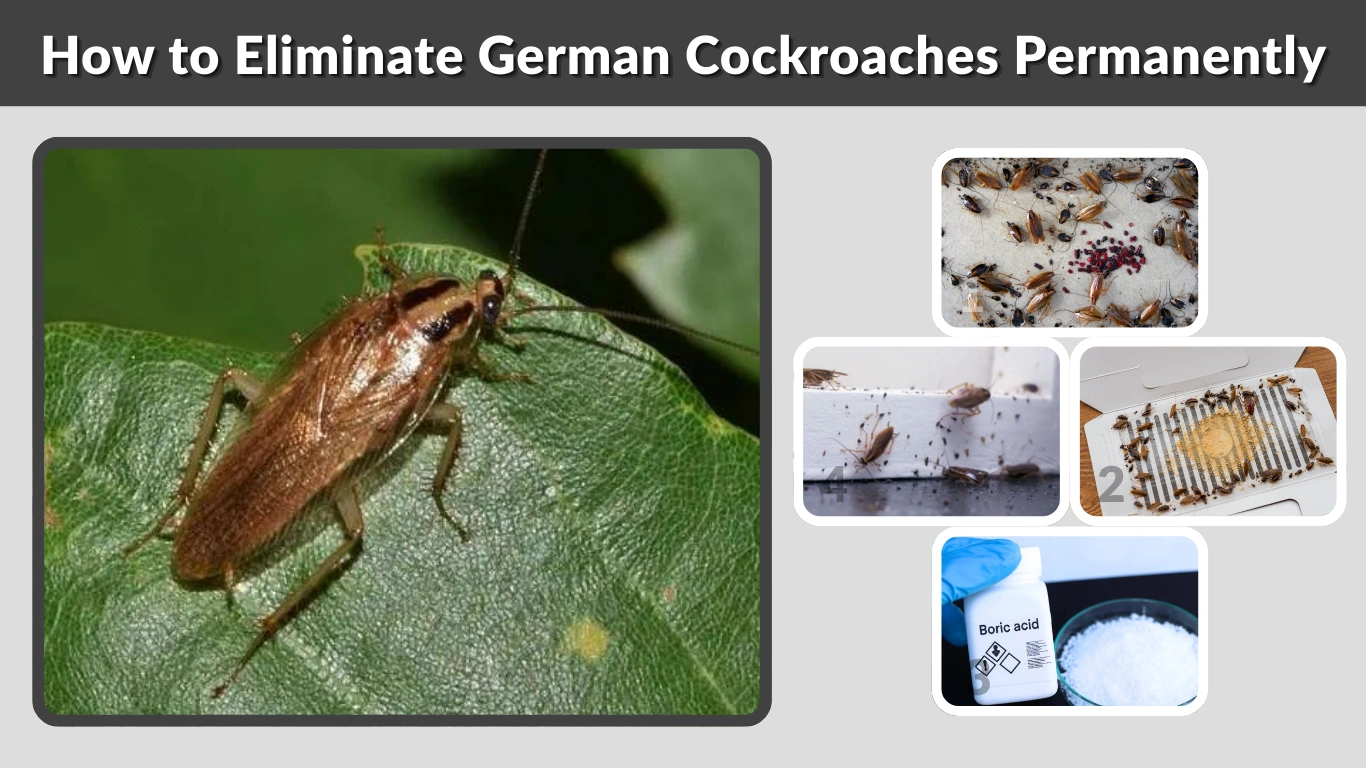
German cockroaches are one of the most persistent and frustrating household pests. Unlike larger roach species that may wander in occasionally, German cockroaches live and breed indoors, often spreading rapidly before homeowners realize there is a problem. They contaminate food, trigger allergies, and are known to carry harmful bacteria. What makes them especially difficult to eliminate is their ability to hide in tiny spaces and reproduce at an alarming rate. This guide explains how to identify a German cockroach infestation, why these pests are so hard to kill, and the most effective step-by-step methods to eliminate them permanently.
What Are German Cockroaches?
Physical Characteristics
German cockroaches are small, light brown to tan insects, typically measuring about half an inch long when fully grown. Their most distinguishing feature is the pair of dark, parallel stripes running from the head down the back. Nymphs, or juvenile cockroaches, are smaller and darker but share the same stripe pattern. Because of their size, German cockroaches can easily hide in narrow cracks, making them harder to detect and control.
Where German Cockroaches Commonly Live
These cockroaches prefer warm, humid environments close to food and water. Kitchens and bathrooms are the most common infestation areas, especially inside cabinets, under sinks, behind refrigerators, and near dishwashers. German cockroaches also hide inside small appliances such as microwaves, coffee makers, and toasters, where heat and food particles create ideal living conditions.
Signs of a German Cockroach Infestation
Common Hiding Places
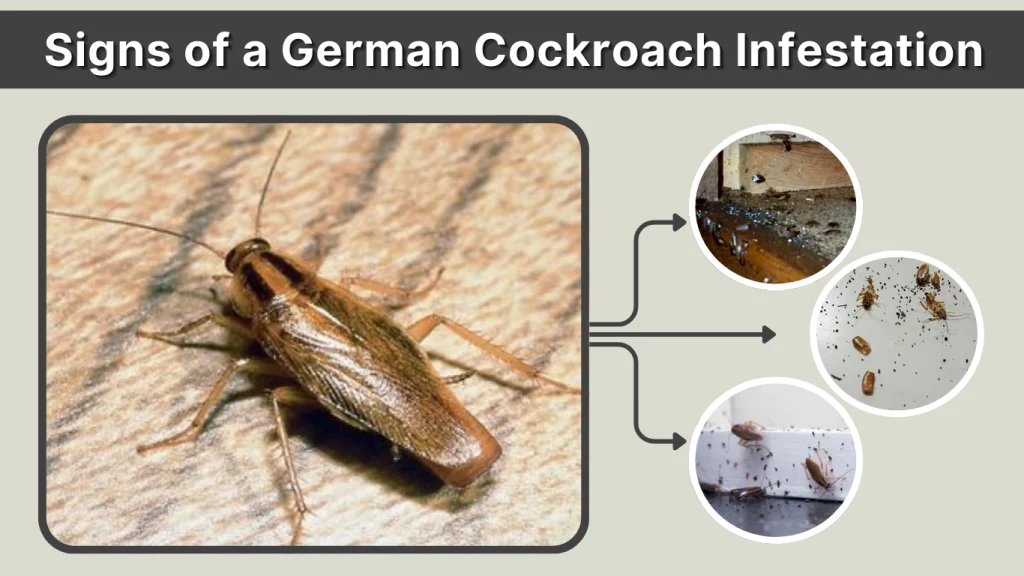
German cockroaches spend most of their time hidden in tight, dark spaces. Typical hiding areas include cabinet hinges, cracks in walls, electrical outlets, drawer corners, and beneath kitchen appliances. Because they nest close to food sources, infestations often center around cooking and food storage areas.
Visible Evidence of Infestation
One of the most common signs of an infestation is cockroach droppings, which resemble small black pepper-like specks or coffee grounds. You may also find egg cases, known as oothecae, which are light brown and oval-shaped. In heavier infestations, a strong, musty odor may develop due to pheromones released by the cockroaches.
Seeing Cockroaches During the Day
German cockroaches are nocturnal, so seeing them during the day often indicates a serious infestation. Daytime activity usually means their hiding spaces are overcrowded, forcing them out in search of food and shelter.
Why German Cockroaches Are So Hard to Eliminate
Rapid Reproduction Cycle
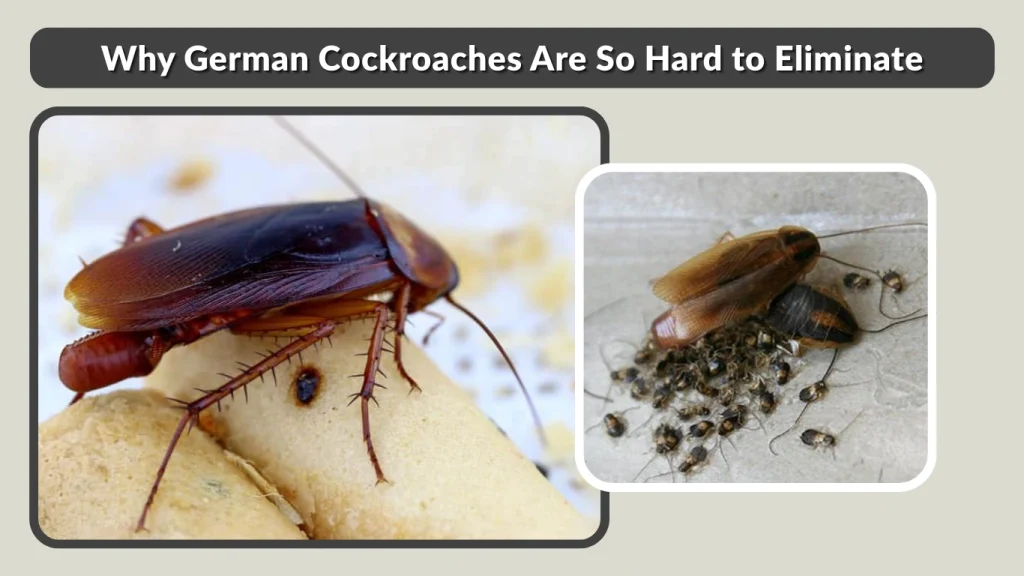
German cockroaches reproduce extremely fast. A single female can produce hundreds of offspring in her lifetime, with egg cases containing up to 40 eggs each. Because these eggs are well-protected, killing adult cockroaches alone does not stop the infestation.
Resistance to Insecticides
Over time, German cockroaches have developed resistance to many common insect sprays. Sprays may kill visible roaches temporarily, but they rarely reach hidden nests. In some cases, improper spraying can even make the infestation worse by causing cockroaches to scatter and spread to new areas.
Survival and Hiding Behavior
Their small size allows German cockroaches to hide in places where insecticides cannot easily reach. They can survive with minimal food and water, making it difficult to starve out through cleaning alone.
Step-by-Step Guide to Eliminate German Cockroaches
Step 1 – Deep Cleaning and Sanitation
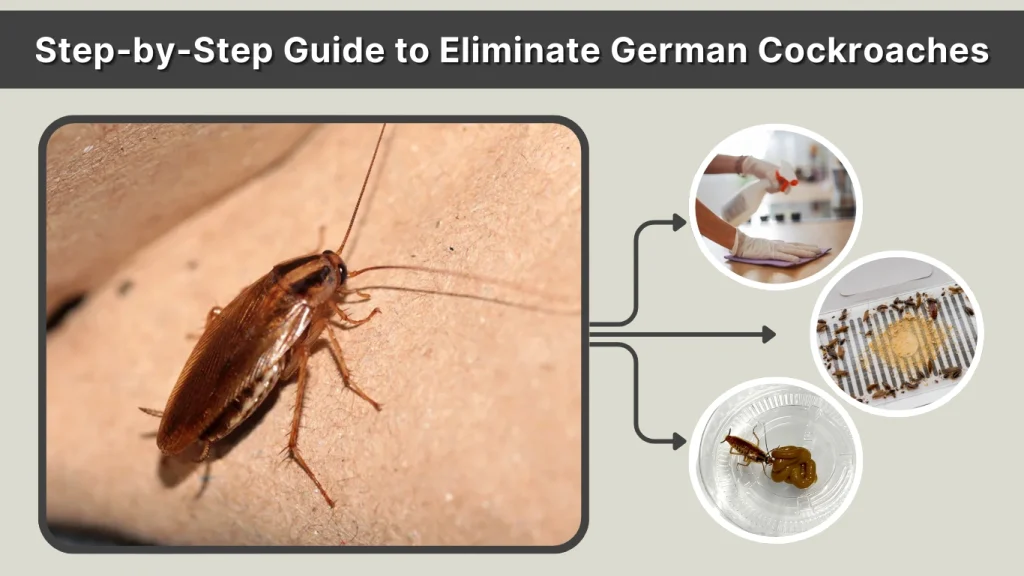
Effective German cockroach control always starts with sanitation. Cockroaches thrive on grease, crumbs, and moisture, so eliminating these resources is essential. Clean kitchen surfaces daily, wipe up spills immediately, and avoid leaving dirty dishes overnight. Pay special attention to grease buildup behind stoves and under appliances. Fix leaking pipes and eliminate standing water, as moisture is critical to their survival. While cleaning alone will not eliminate an infestation, it greatly increases the effectiveness of treatments.
Step 2 – Use the Best Bait for German Cockroaches
Gel baits are one of the most effective tools for eliminating German cockroaches. These baits work by attracting cockroaches to consume a poisoned food source, which they then carry back to the nest. Other roaches feed on contaminated droppings and dead insects, spreading the bait throughout the colony. Proper placement is critical—apply small amounts near cracks, cabinet corners, and appliance edges rather than in open areas. Avoid using sprays near bait, as they can repel cockroaches and reduce bait effectiveness.
Step 3 – Apply Insect Growth Regulators (IGRs)
Insect Growth Regulators are a critical component of German cockroach elimination. IGRs do not kill cockroaches immediately; instead, they disrupt their life cycle by preventing nymphs from maturing into reproductive adults. This dramatically reduces population growth over time. When used alongside gel bait, IGRs ensure that even cockroaches that avoid the bait are unable to reproduce. IGRs are typically applied as sprays or point-source devices in areas where cockroaches hide, such as under appliances and inside cabinets.
Step 4 – Seal Cracks and Reduce Hiding Areas
German cockroaches rely on tight cracks and cluttered spaces for protection. Sealing gaps around baseboards, cabinets, plumbing, and wall openings reduces available hiding spots and forces cockroaches into treated areas. Use caulk to close cracks and remove unnecessary clutter from kitchens and bathrooms. Organizing storage areas and reducing cardboard materials also helps eliminate nesting opportunities.
Step 5 – Monitor, Rotate, and Maintain Treatments
Eliminating German cockroaches is a process, not a one-time treatment. Sticky monitoring traps can help track population levels and identify high-activity areas. If bait consumption slows or stops, rotating to a different bait formulation may be necessary to overcome bait aversion. Continued monitoring ensures that reinfestation is detected early before it becomes severe again.
Home Remedies for German Cockroaches – Do They Really Work?
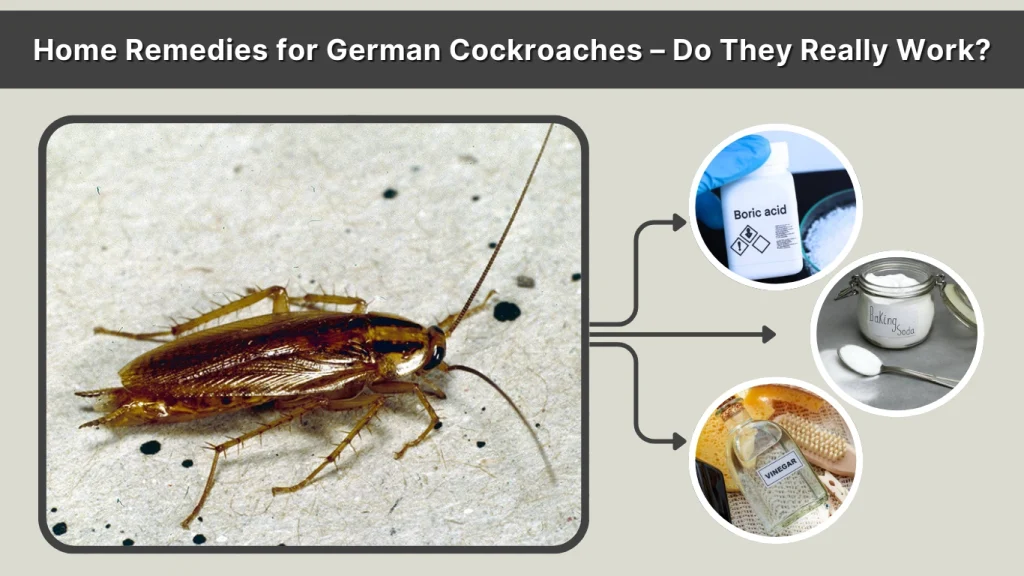
Many homeowners turn to home remedies such as boric acid, baking soda, vinegar, or essential oils in an attempt to eliminate German cockroaches. While boric acid can be effective when applied correctly, it works slowly and must be placed in areas cockroaches regularly travel. Other remedies, including baking soda and vinegar, have little scientific support and often fail to reach hidden nesting sites. Home remedies may reduce visible cockroaches temporarily, but they rarely eliminate an established infestation on their own.
When Professional Extermination Is Necessary
Severe infestations often require professional pest control. If cockroaches continue appearing after several weeks of proper baiting, sanitation, and monitoring, professional treatment may be the most effective solution. Pest control professionals use advanced baiting strategies, non-repellent insecticides, and specialized equipment to reach hidden areas. Professional extermination typically takes multiple visits but offers long-term control when paired with proper household maintenance.
How to Prevent German Cockroaches from Returning
Ongoing Cleaning and Maintenance
Preventing reinfestation starts with consistent sanitation. Store food in sealed containers, take out trash regularly, and clean kitchen surfaces frequently. Pay attention to grease buildup and moisture, especially under sinks and appliances. Regular inspections of high-risk areas help catch early signs of cockroach activity before it escalates.
Apartment and Multi-Unit Prevention Tips
In apartments and multi-unit buildings, German cockroaches can spread between units through shared walls and plumbing. Sealing entry points and communicating with property management are essential steps. Coordinated treatment across multiple units is often necessary to prevent recurring infestations.
FAQs
How long does it take to eliminate German cockroaches?
Eliminating German cockroaches typically takes several weeks to a few months, depending on infestation severity. While bait may reduce visible activity within days, complete control requires time to eliminate hidden nests and prevent new generations from emerging.
What kills German cockroaches the fastest?
Gel baits combined with insect growth regulators are among the fastest and most effective solutions. Sprays may kill individual roaches instantly but rarely eliminate entire colonies and are not recommended as a primary treatment.
Can German cockroaches be eliminated permanently?
Yes, German cockroaches can be eliminated permanently with proper sanitation, strategic baiting, and ongoing monitoring. However, reinfestation is possible if food, moisture, or entry points are not controlled consistently.
Are German cockroaches dangerous to human health?
German cockroaches can pose health risks by contaminating food and surfaces with bacteria. They are also known to trigger asthma and allergy symptoms, particularly in children and sensitive individuals.
Conclusion
Eliminating German cockroaches permanently requires a strategic, consistent approach. Simply spraying visible insects is not enough to stop an infestation. By combining deep cleaning, effective baiting, insect growth regulators, and long-term prevention, homeowners can achieve lasting results. Early action and proper monitoring are key, and professional assistance may be necessary for severe infestations. With the right plan in place, German cockroach infestations can be successfully controlled and prevented.