

German cockroach infestations are among the most challenging and persistent indoor pest issues. These roaches thrive in warm, humid, food-rich environments—especially kitchens, bathrooms, and cluttered storage areas. Because they reproduce extremely quickly and hide in tiny cracks, infestations can grow unnoticed until they become severe. Understanding how infestations start, what signs to look for, and the most effective removal strategies helps prevent long-term problems and reinfestation.
Species Identification

German cockroaches are typically light brown or tan, with two dark parallel stripes running down the pronotum (the shield-like area behind the head). Adults measure about ½ inch, while nymphs are much smaller and darker. These roaches are most commonly found:
- Inside kitchen cabinets
- Under sinks
- Behind refrigerators and dishwashers
- Within cracks as small as 1/16 inch
They prefer warm, humid locations with easy access to food and water. Because they reproduce quickly—each female producing up to 40 eggs at a time—infestations grow fast.
Are They Dangerous?
Although German cockroaches rarely bite, they pose significant health risks. Their bodies and droppings carry bacteria that can contaminate surfaces and food. They are also a major source of allergens, triggering asthma, especially in children. As infestations grow, a strong musty, oily odor can develop, signaling the presence of large colonies.
Signs of a German Cockroach Infestation
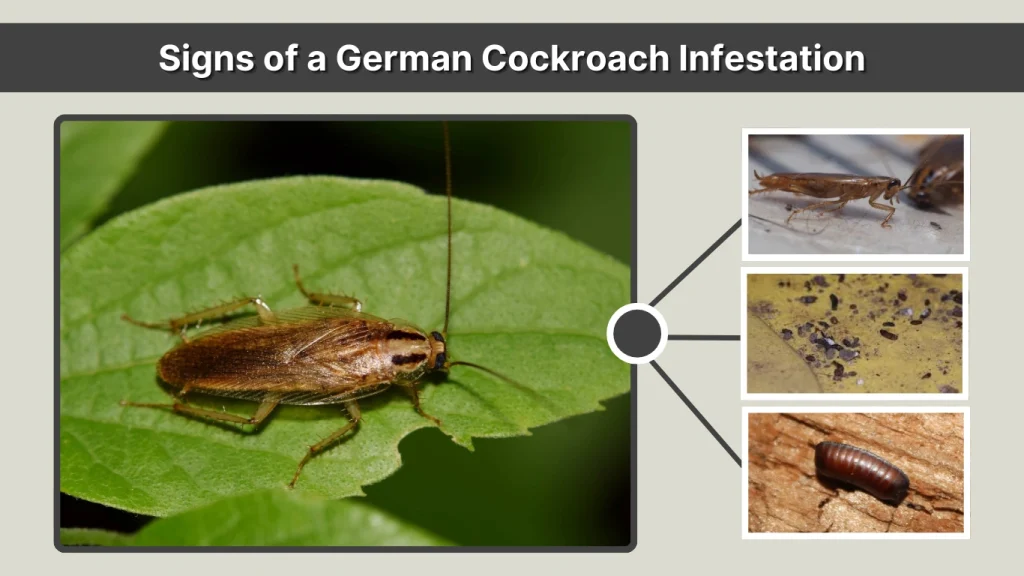
Early and accurate identification is crucial. Common signs include:
Typical Indicators
- Live roaches, especially during the day—this often means overcrowding
- Pepper-like droppings in cabinets, drawers, or along baseboards
- Egg cases (oothecae) hidden behind appliances or inside cabinets
- Shed skins and nymphs, which indicate active breeding
- A strong, musty smell characteristic of heavy infestations
These signs help determine the severity and whether professional treatment might be necessary.
Quick Identification Table
| Sign | Meaning | Severity |
| Daytime sightings | Infestation is overcrowded | High |
| Droppings | Feeding areas nearby | Medium |
| Musty odor | Long-term colony established | High |
| Nymph activity | Fast reproduction occurring | High |
What Causes a German Cockroach Infestation

Infestations develop when roaches find ideal living conditions. The most common causes include:
- Food crumbs, grease, and residue
- Standing water, leaks, or moisture
- Warmth from kitchen appliances
- Cardboard clutter and dark hiding spots
- Roaches migrating from neighboring apartments
- Used appliances, boxes, or grocery bags carrying hitchhikers
Even clean homes are vulnerable if roaches enter from shared walls or infested buildings.
How German Cockroach Infestations Start
A single fertilized female can create a large infestation within months. These roaches often enter homes by:
- Hitchhiking in grocery bags, cardboard boxes, and takeout containers
- Hiding inside used appliances or electronics
- Traveling through plumbing and electrical lines in apartment buildings
- Taking advantage of food-rich, uncleaned areas
Because roaches are nocturnal, infestations may go unnoticed until they become severe, especially in kitchens where warmth and moisture support rapid breeding.
How Many Cockroaches Equal an Infestation
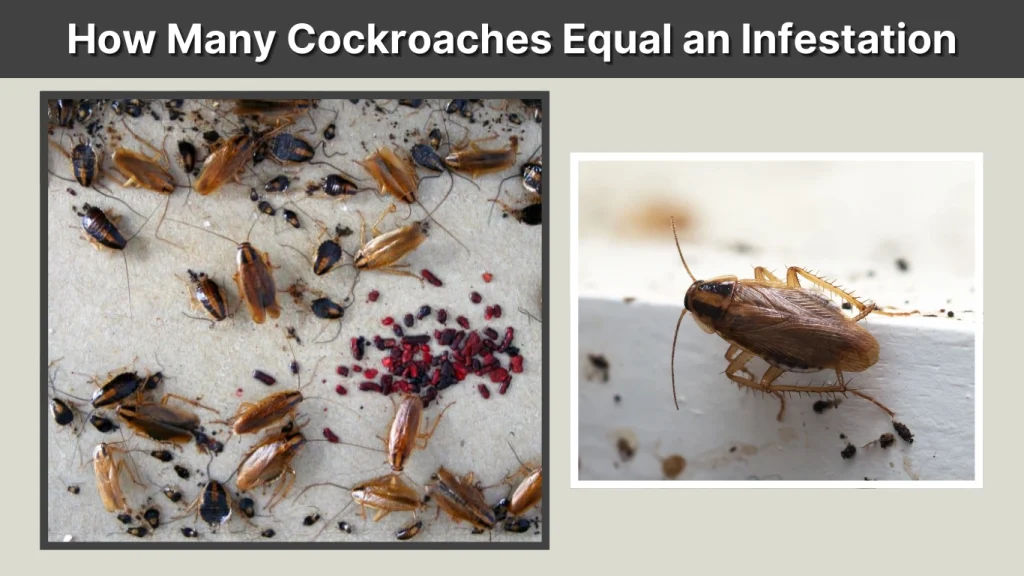
German cockroaches hide extremely well, so even a single sighting can mean there are many more behind walls, inside cabinets, or near appliances. Consider the following guidelines:
- 1–2 roaches: Often indicates hidden activity already underway.
- Multiple sightings per week: Strongly suggests an established colony.
- Seeing nymphs: Confirms active breeding and a growing population.
- Seeing roaches in daylight: Indicates overcrowding, meaning a severe infestation.
Because German cockroaches multiply so quickly, early identification is essential for stopping a small problem from becoming extreme.
Common Infestation Locations
Kitchens
The most common hotspot. Roaches gather around:
- Cabinet hinges
- Under sinks
- Behind refrigerators, ovens, and dishwashers
- Inside microwaves or toaster bases
Warmth, moisture, and food particles make kitchens the perfect breeding environment.
Bathrooms
They often live behind toilet tanks, under vanities, or near plumbing lines where moisture is constant.
Entire House
Severe infestations spread into:
- Bedrooms
- Living rooms
- Laundry rooms
- Basements and storage areas
Cars
Food wrappers and warm interiors can attract roaches, especially if items were carried from an infested apartment.
Best Ways to Get Rid of a German Cockroach Infestation

The most effective approach combines cleaning, baiting, growth regulators, and monitoring. Sprays alone are ineffective because adults scatter and avoid treated areas.
Most Effective Treatment Methods
- Gel baits: The #1 recommended method. Roaches eat the bait and spread it to others.
- Insect Growth Regulators (IGRs): Prevent eggs from developing, breaking the reproductive cycle.
- Insecticidal dust: Boric acid or diatomaceous earth kills roaches hiding in deep cracks.
- Sticky traps: Help track progress and detect hotspots.
What to Avoid
- Overusing sprays that repel roaches
- Leaving clutter near walls or appliances
- Depending only on natural remedies for heavy infestations
A strategic, multi-step plan works far better than random spraying.
Step-by-Step Treatment Plan

1. Deep Cleaning the Area
Clean all surfaces, remove grease behind the stove, vacuum droppings, and wipe inside cabinets. Remove anything roaches can hide behind or eat.
2. Apply Gel Baits
Place pea-sized dots in:
- Cabinet corners
- Appliance gaps
- Drawer cracks
- Under sinks
Roaches will feed at night and spread the poison through the colony.
3. Use IGRs
These prevent roaches from maturing or laying viable eggs. They dramatically increase treatment effectiveness, especially for severe infestations.
4. Apply Dust in Hidden Areas
A thin layer in wall voids, behind outlet covers, or under major appliances ensures long-term control.
5. Monitor Weekly
Check traps, reapply bait where necessary, and continue cleaning. You may see dead roaches for weeks—this is normal.
Heavy or Severe Infestations
A severe infestation means hundreds or thousands of roaches may be hiding in walls and appliances. Signs include:
- Large clusters around pipes
- Strong, musty odors
- Dozens of roaches running when lights turn on
- Droppings coating cabinets or appliances
In these situations, treatment may require:
- Multiple rounds of baiting
- Professional-grade products
- Apartment-wide or building-wide treatment
- Sealing structural entry points
Severe infestations typically take 6–8+ weeks to eliminate completely.
Infestations in Apartments
Apartment buildings make control more complicated because roaches travel easily between units. If you live in an apartment:
- Immediately notify your landlord
- Request coordinated treatment for adjacent units
- Seal plumbing and wall gaps to block movement
- Use gel baits and traps continually until building-wide levels drop
Roaches can reenter even clean apartments if neighbors are untreated.
Kitchen-Specific Infestations
Kitchens are the origin of most infestations because of food, water, and warmth. To treat a kitchen:
- Empty cabinets and drawers
- Clean all surfaces thoroughly
- Treat hinges, cracks, and hidden spaces
- Use gel baits under every major appliance
- Place IGRs near plumbing lines
FAQs
What causes a German cockroach infestation?
German cockroach infestations typically start when roaches find food residues, warmth, and moisture. They often enter through grocery bags, boxes, used appliances, or from neighboring apartments. Poor sanitation can accelerate growth, but even clean homes can become infested if roaches travel through plumbing or shared walls.
Does one German cockroach mean an infestation?
Often yes. German cockroaches hide extremely well, so seeing even one usually indicates others are nearby. If you find droppings, egg cases, or nymphs, the infestation is already established. These roaches reproduce rapidly, so early sightings should never be ignored.
What is the best way to get rid of a German cockroach infestation?
The most effective solution is a combination of gel baits, insect growth regulators, deep cleaning, and targeted dusting. Sprays alone won’t eliminate colonies. For heavy infestations, professional treatments or coordinated apartment-wide extermination may be required to fully break the reproductive cycle.
How long does it take to eliminate German cockroaches?
Mild infestations may take 2–3 weeks to control with consistent baiting. Moderate infestations usually take 4–6 weeks, while severe or building-wide infestations may require 8 weeks or more. Regular cleaning, reapplying bait, and sealing entry points help speed up results.
Can cabinets be saved after a German cockroach infestation?
Yes. Cabinets can usually be saved with thorough cleaning, vacuuming droppings, disinfecting surfaces, and sealing small cracks where roaches hide. Applying dust or bait in hidden areas ensures lingering roaches die off. Only in extreme long-term infestations might replacement be considered.