
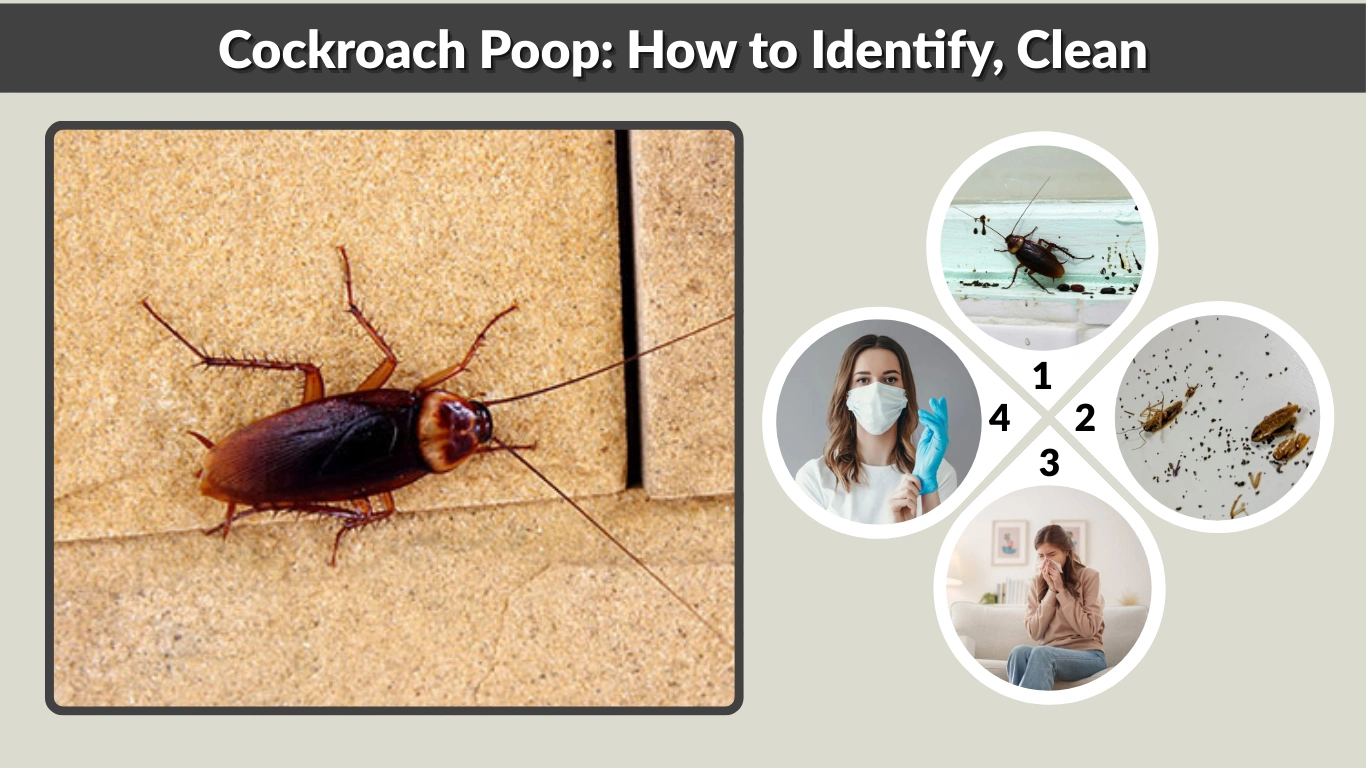
Cockroach poop is often one of the first signs that cockroaches are present in a home. While spotting a live cockroach can be alarming, finding droppings usually means the infestation has been active for some time. Cockroach feces can contaminate surfaces, spread bacteria, and trigger allergies, making it more than just a cleanliness issue. Many homeowners mistake cockroach poop for dirt or other pest droppings, allowing the problem to grow unnoticed. This article explains what cockroach poop looks like, where it is commonly found, and why it should never be ignored.
What Is Cockroach Poop?
Cockroach poop, also called cockroach droppings or feces, is the waste left behind after cockroaches feed and move around your home.
What Cockroach Droppings Are Made Of
Cockroach droppings consist of undigested food particles, bacteria, and other microorganisms picked up as cockroaches crawl through garbage, drains, and contaminated surfaces. Because cockroaches feed on almost anything, including food scraps, grease, and organic waste, their droppings often contain harmful pathogens that can spread throughout the home.
Why Cockroach Poop Matters
Finding cockroach poop is a strong indicator of cockroach activity. Droppings help identify where cockroaches are nesting and traveling most frequently. The more droppings you find, the larger the infestation is likely to be. Ignoring this sign allows cockroaches to continue reproducing and spreading throughout your living space.
What Does Cockroach Poop Look Like?
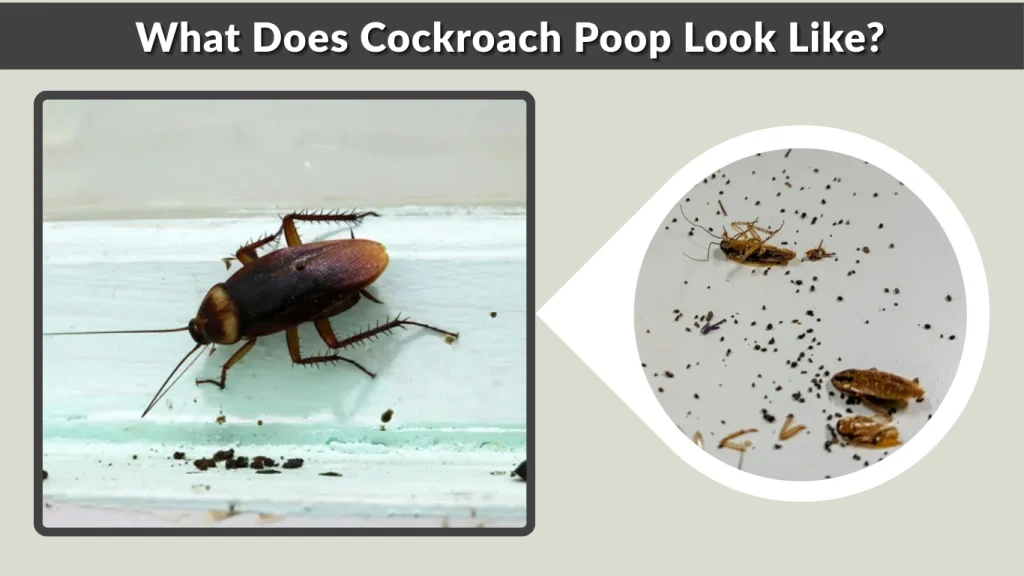
Identifying cockroach poop correctly is essential to taking the right pest control steps.
Size, Shape, and Color
The appearance of cockroach poop varies depending on the species. Small cockroaches, such as German cockroaches, leave droppings that look like black pepper or coffee grounds. These tiny specks are often found in clusters. Larger cockroaches, such as American cockroaches, produce droppings that resemble small, dark brown cylinders or grains of rice. Fresh droppings are usually dark in color and may appear shiny, while older droppings become dry and crumbly.
Cockroach Poop vs Other Pest Droppings
Cockroach droppings are often confused with mouse droppings, bed bug feces, or termite debris. Mouse droppings are larger and have pointed ends, while cockroach poop is smaller and blunt. Bed bug feces appear as black ink-like stains rather than solid pellets. Termite droppings, known as frass, are uniform in shape and usually light brown or tan. Knowing these differences helps confirm whether cockroaches are the source of the problem.
Where Is Cockroach Poop Commonly Found?
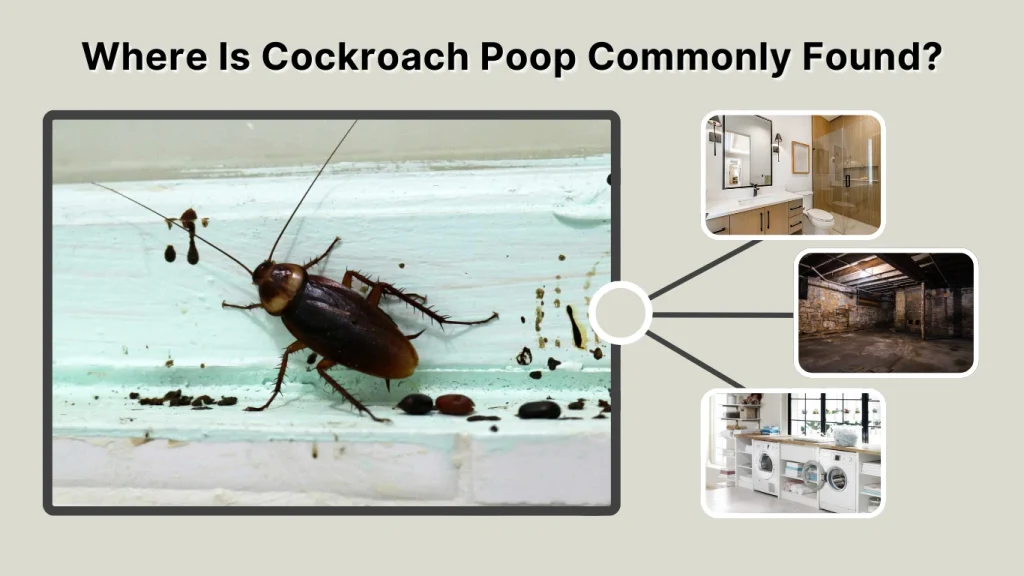
Cockroach poop is usually found in areas where cockroaches eat, hide, and travel.
Cockroach Poop in the Kitchen
The kitchen is the most common place to find cockroach droppings. Cabinets, drawers, countertops, and pantries often show signs of droppings, especially near food storage areas. You may also find poop behind appliances such as refrigerators, ovens, and microwaves, where warmth and food residue attract cockroaches. Droppings along walls and corners indicate regular movement paths.
Other Common Areas in the Home
Outside the kitchen, cockroach poop is frequently found in bathrooms, laundry rooms, and basements. These areas provide moisture, which cockroaches need to survive. Droppings may also appear behind furniture, inside closets, and near trash bins. Cracks in walls, baseboards, and under sinks are common hiding spots where droppings accumulate over time.
Health Risks Associated With Cockroach Poop
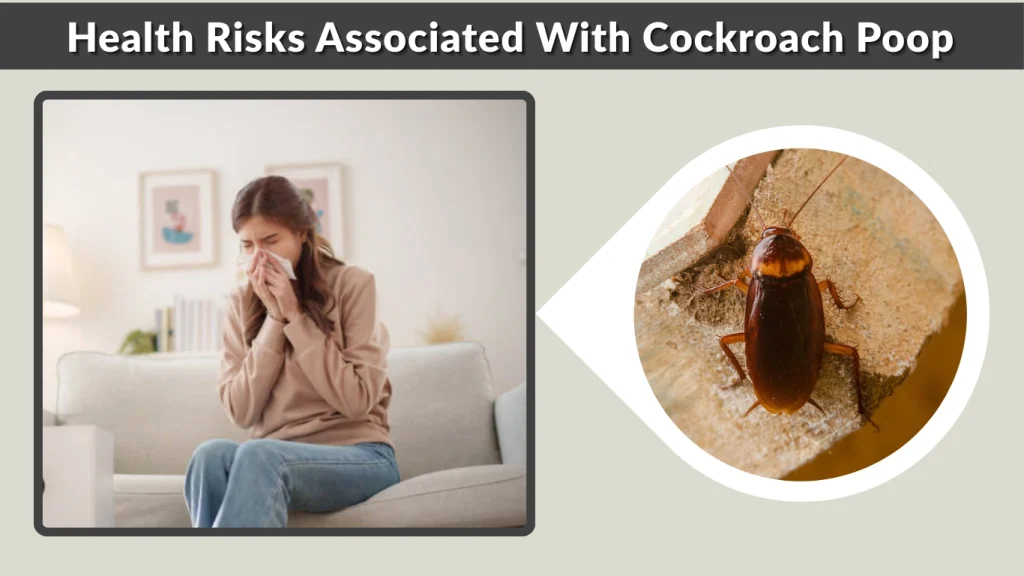
Cockroach poop is not just unpleasant—it can pose real health risks.
Diseases and Bacteria Spread
Cockroach droppings can carry harmful bacteria that contaminate food preparation surfaces, utensils, and stored food. When droppings dry out, they can break into small particles that spread easily, increasing the risk of foodborne illnesses and surface contamination throughout the home.
Allergies and Asthma Triggers
Proteins found in cockroach feces are known allergens. Exposure can trigger allergic reactions and worsen asthma symptoms, particularly in children, the elderly, and individuals with respiratory conditions. In homes with heavy infestations, cockroach poop can significantly affect indoor air quality.
How to Clean Cockroach Poop Safely
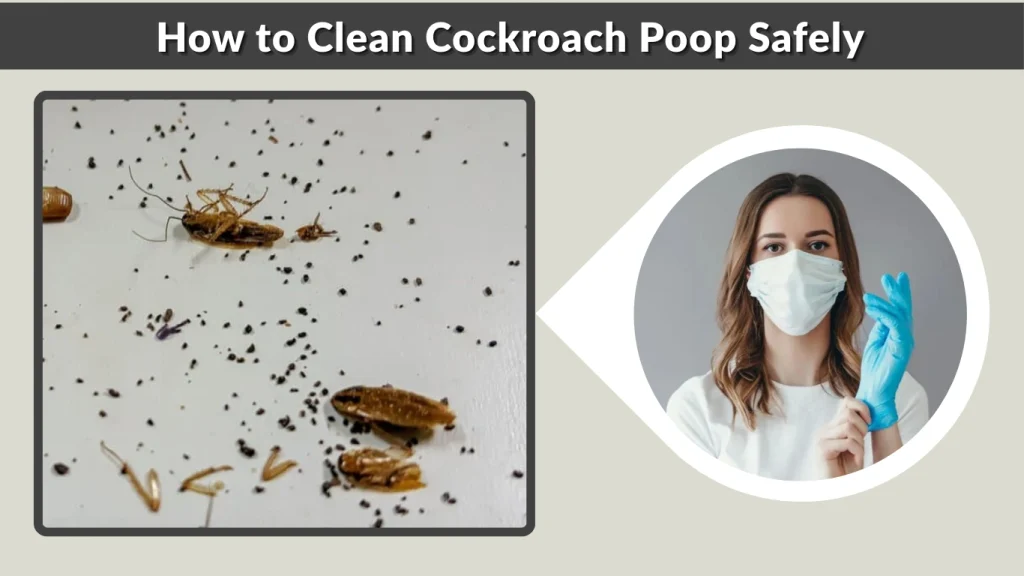
Cleaning cockroach poop properly is important to reduce health risks and prevent further contamination.
Safety Precautions Before Cleaning
Before cleaning cockroach droppings, wear disposable gloves and, if possible, a face mask. This helps prevent direct contact with bacteria and allergens. Avoid sweeping or vacuuming dry droppings without precautions, as this can release particles into the air. Ventilate the area well before starting the cleaning process.
Step-by-Step Cleaning Process
Begin by dampening the droppings with a disinfectant spray or a mixture of water and vinegar. This prevents dust from becoming airborne. Wipe the area with disposable paper towels and seal them in a plastic bag before disposal. Clean the surface thoroughly with a household disinfectant, paying close attention to corners, cracks, and areas near food preparation spaces. Wash your hands thoroughly after cleaning.
Does Cockroach Poop Mean an Infestation?
Finding cockroach poop usually indicates more than just a single stray insect.
How Much Poop Indicates a Problem
Occasional droppings may suggest limited activity, but repeated or widespread droppings point to an active infestation. Large amounts of poop in multiple rooms often indicate that cockroaches have been present for an extended period and may be nesting nearby.
Other Signs of Cockroach Infestation
In addition to droppings, look for egg cases, shed skins, and an unpleasant musty odor. Seeing live or dead cockroaches, especially during the daytime, is another strong sign of a serious infestation. These indicators, combined with droppings, confirm the need for immediate action.
How to Get Rid of Cockroaches That Leave Droppings
Eliminating cockroaches is the only way to stop droppings from reappearing.
Natural Cockroach Control Methods
Boric acid and diatomaceous earth are commonly used natural solutions. When cockroaches walk through these substances, they carry them back to their hiding places, eventually leading to death. These methods work best when applied in cracks, corners, and areas where droppings are found. Consistency is key, as natural treatments take time to reduce populations.
Chemical Treatments That Work
Cockroach baits are highly effective because they target entire colonies. The poison is shared among cockroaches, reaching hidden nests. Insecticide sprays can be used for immediate control but should not be relied on alone. Dust insecticides applied to wall voids and crevices can provide longer-lasting protection.
How to Prevent Cockroach Poop in Your Home
Prevention is essential to keep cockroaches from returning and leaving droppings behind.
Cleaning and Sanitation Habits
Maintain a regular cleaning routine by wiping surfaces daily, washing dishes promptly, and storing food in sealed containers. Take out the trash frequently and avoid leaving pet food exposed. Keeping floors free of crumbs and spills reduces food sources for cockroaches.
Long-Term Prevention Strategies
Seal cracks and gaps in walls, cabinets, and baseboards to eliminate hiding places. Fix leaky pipes and reduce moisture in bathrooms and kitchens. Regular inspections and monitoring with sticky traps can help detect early signs of cockroach activity before it becomes a serious problem.
When to Call Professional Pest Control
Signs of a Severe Infestation
If cockroach poop continues to appear despite thorough cleaning and treatment, the infestation may be beyond DIY control. Widespread droppings, strong odors, and frequent sightings during the day indicate a severe problem.
Benefits of Professional Treatment
Professional pest control services can identify hidden nesting areas and use specialized treatments to eliminate cockroaches at all life stages. Their methods provide more reliable and long-term results, helping ensure droppings do not return.
Conclusion
Cockroach poop is a clear warning sign that should never be ignored. It indicates active cockroach presence and poses serious health risks if left untreated. By identifying droppings early, cleaning them safely, and eliminating the source of the infestation, you can protect your home and health. Consistent sanitation, preventive measures, and professional help when needed are key to keeping your living space clean and cockroach-free.