
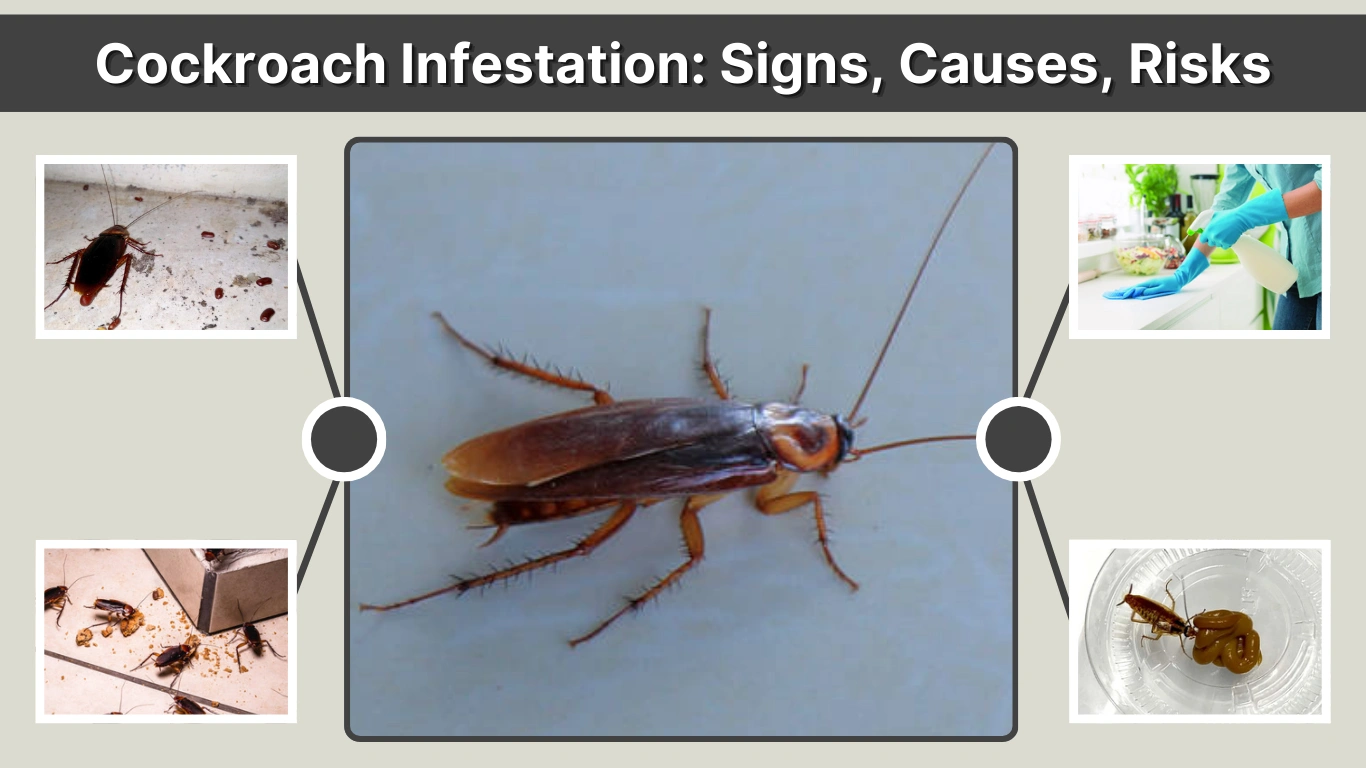
A cockroach infestation is more than just an unpleasant surprise in your kitchen or bathroom. These resilient pests multiply quickly, hide in hard-to-reach areas, and contaminate food and surfaces without you noticing. What starts as a single sighting can rapidly turn into a widespread problem affecting your health and comfort. Understanding the early warning signs, common causes, and potential risks of cockroach infestation is the first step toward eliminating them effectively and preventing them from returning.
What Is a Cockroach Infestation?
A cockroach infestation occurs when roaches establish a breeding population inside your home. Unlike an occasional stray insect that wanders in, an infestation means cockroaches are living, feeding, and reproducing within your walls, cabinets, drains, or appliances.
Cockroaches are nocturnal and highly adaptable. They prefer dark, warm, and moist environments, which makes kitchens, bathrooms, basements, and laundry rooms ideal nesting areas. Because they hide during the day, many homeowners underestimate the severity of the problem until it becomes widespread.
A single female cockroach can produce dozens of offspring in a short period. Some species carry egg capsules containing multiple eggs, allowing populations to grow rapidly if left untreated. This fast reproduction rate is what turns a minor issue into a serious infestation.
Common Types of Cockroaches Found in Homes
German Cockroach
The German cockroach is the most common indoor species. Small and light brown, it reproduces extremely quickly and is often found in kitchens and bathrooms.
American Cockroach
Larger and reddish-brown, American cockroaches are often found in basements, drains, and sewer systems. They can enter homes through plumbing or foundation cracks.
Oriental Cockroach
Also known as water bugs, Oriental cockroaches prefer damp environments such as crawl spaces and leaky pipe areas.
Understanding which type of cockroach you’re dealing with can help determine the most effective control strategy.
Early Signs of a Cockroach Infestation
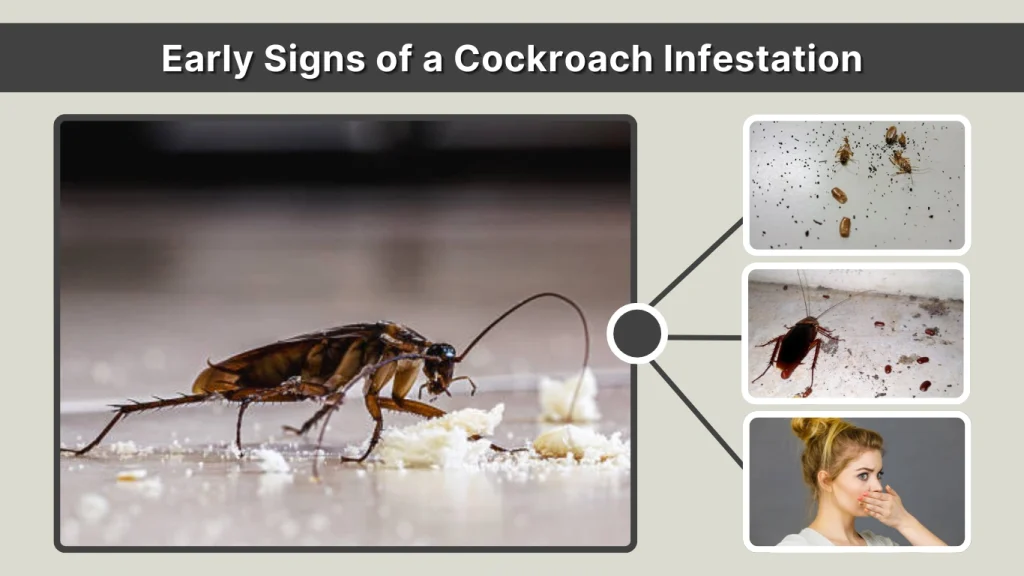
Identifying the early signs of a cockroach infestation can prevent a small issue from becoming overwhelming. Since cockroaches are experts at hiding, their presence is often detected through indirect evidence.
Droppings and Smear Marks
Cockroach droppings resemble small black pepper flakes or coffee grounds. Larger species may leave cylindrical droppings. You may find them in drawers, under sinks, behind appliances, or inside cabinets.
In areas with high moisture, cockroaches may also leave dark smear marks along walls, floors, or baseboards where they frequently travel.
Egg Casings (Oothecae)
Cockroach egg casings, called oothecae, are small, oval-shaped capsules that contain multiple eggs. These are often brown or reddish in color and may be found behind furniture, inside cabinets, or near food storage areas.
Finding egg casings is a strong indication that cockroaches are breeding inside your home.
Unusual Musty Odor
A heavy cockroach infestation can produce a noticeable musty or oily smell. This odor comes from pheromones released by the insects and becomes stronger as their numbers increase. In severe cases, the smell can linger in cabinets and affect stored food.
Seeing Roaches During the Day
Because cockroaches are nocturnal, seeing them during the day usually signals overcrowding. When their hiding spaces become too full, some are forced out into visible areas—even in daylight. This is often a sign of a significant infestation that requires immediate action.
What Causes Cockroach Infestation?
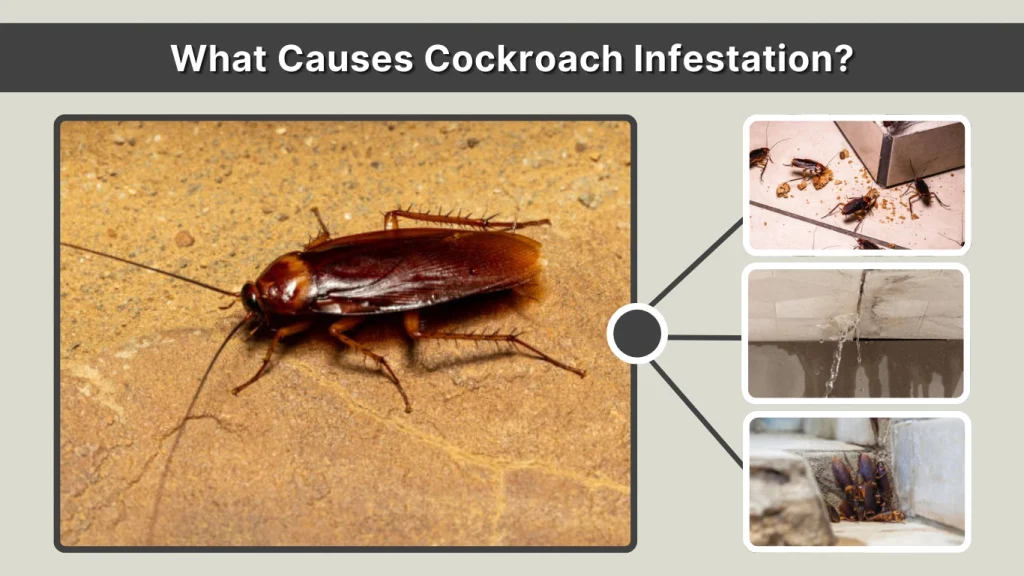
Cockroaches invade homes in search of three basic needs: food, water, and shelter. When these conditions are available, infestations can develop quickly.
Food Sources and Poor Sanitation
Unsealed food containers, crumbs on countertops, dirty dishes in the sink, and overflowing trash cans all attract cockroaches. Even small amounts of grease or food residue behind appliances can sustain them.
Pet food left out overnight is another common attractant. Cockroaches are scavengers and will feed on almost anything, including paper, glue, and soap residue if necessary.
Moisture and Water Leaks
Water is critical for cockroach survival. Leaky pipes, dripping faucets, clogged drains, and condensation under sinks create ideal breeding environments. Bathrooms and basements with high humidity are especially vulnerable.
Even minor plumbing issues can support a growing cockroach population if not addressed promptly.
Entry Points and Structural Gaps
Cockroaches can enter homes through cracks in walls, gaps around doors and windows, vents, and plumbing openings. In apartments, they may travel between units through shared walls or utility lines.
Sealing these entry points is essential for preventing infestations from starting or spreading.
Clutter and Cardboard Storage
Cluttered spaces provide shelter and protection for cockroaches. Cardboard boxes are particularly attractive because they offer both hiding spots and a food source. Storage rooms, garages, and neglected closets often become infestation hotspots.
Reducing clutter and maintaining organized storage areas can significantly lower the risk of cockroach activity.
Health Risks Associated with Cockroach Infestation
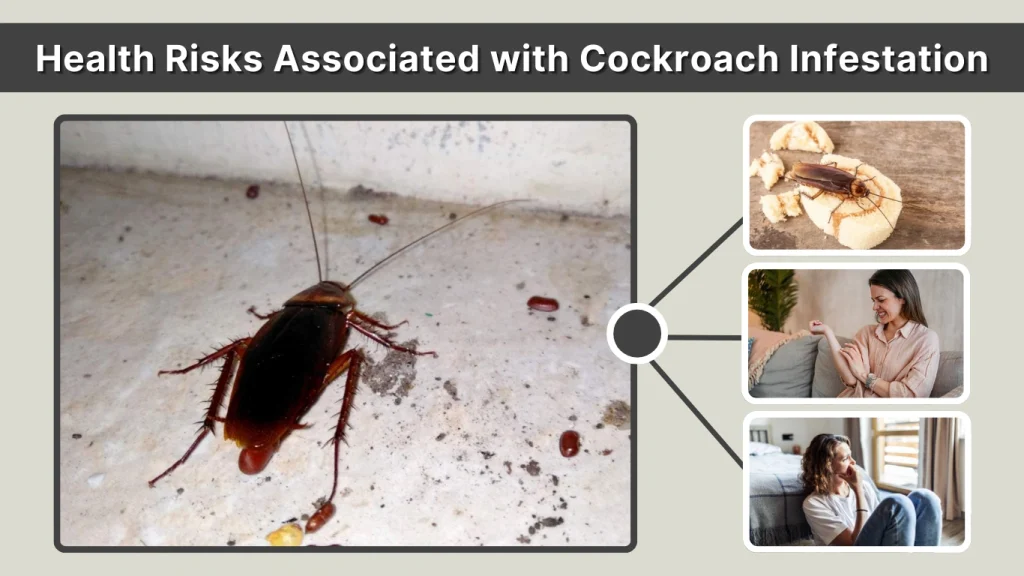
A cockroach infestation is not just unpleasant—it can pose serious health concerns. Because cockroaches crawl through drains, garbage, and contaminated surfaces, they carry harmful pathogens into your living spaces. As they move across countertops, utensils, and food, they spread bacteria and allergens that may affect your family’s health.
Bacteria and Food Contamination
Cockroaches are known carriers of bacteria such as Salmonella and E. coli. These pathogens can contaminate food and kitchen surfaces, increasing the risk of food poisoning. Even if you don’t see roaches directly on your food, microscopic traces left behind can still pose a health threat.
They can also contaminate pantry items by chewing through packaging, leaving droppings and bacteria inside.
Allergies and Asthma Triggers
Cockroach saliva, droppings, and shed body parts contain allergens that can trigger allergic reactions. In many urban areas, cockroach allergens are a major cause of asthma flare-ups, especially in children.
Symptoms may include coughing, wheezing, nasal congestion, skin rashes, and watery eyes. Prolonged exposure to a cockroach infestation can worsen respiratory conditions over time.
Psychological Stress and Discomfort
Living with cockroaches can cause significant anxiety and stress. Many people report difficulty sleeping, embarrassment, and constant worry about contamination. The emotional toll of an infestation can be just as impactful as the physical health risks.
How to Get Rid of Cockroach Infestation
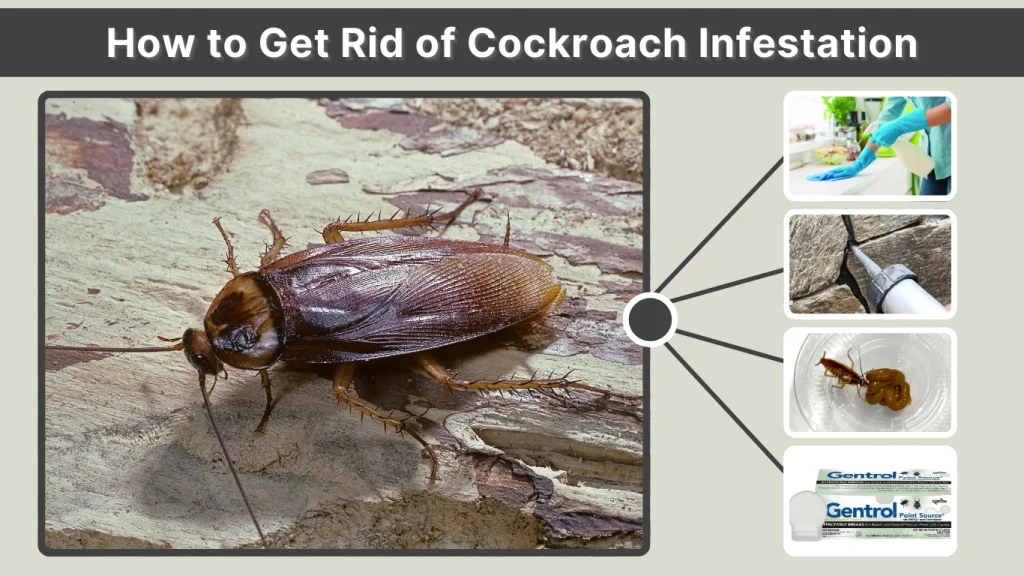
Eliminating a cockroach infestation requires a combination of cleaning, targeted treatments, and ongoing monitoring. Quick fixes alone rarely solve the problem permanently.
Step 1 – Deep Cleaning and Decluttering
Start by removing all accessible food and water sources. Clean countertops, sweep floors daily, and vacuum hidden areas such as under appliances and furniture. Wash dishes immediately after use and store food in airtight containers.
Decluttering reduces hiding spots and makes treatment methods more effective.
Step 2 – Sealing Cracks and Entry Points
Inspect walls, baseboards, and areas around plumbing for cracks or gaps. Use caulk to seal openings and install door sweeps where necessary. Repair torn window screens and ensure vents are properly covered.
Blocking entry points prevents new cockroaches from entering while you eliminate the existing population.
Step 3 – Using Baits and Gel Treatments
Cockroach baits and gel treatments are often more effective than sprays. Baits work by attracting cockroaches, which then carry the poison back to their nests, spreading it to others.
Place baits near high-activity areas such as under sinks, behind refrigerators, and inside cabinets. Avoid spraying insecticides near baits, as this can reduce their effectiveness.
Step 4 – Insect Growth Regulators (IGRs)
Insect Growth Regulators disrupt the cockroach life cycle by preventing immature roaches from developing into reproducing adults. When combined with baits, IGRs help reduce population growth and support long-term control.
Step 5 – Monitoring and Follow-Up
Sticky traps can help monitor infestation levels and identify high-traffic areas. Continue checking for droppings, egg casings, and live roaches for several weeks after treatment to ensure the infestation is fully eliminated.
Consistency is key to preventing reinfestation.
Natural Remedies for Minor Infestations
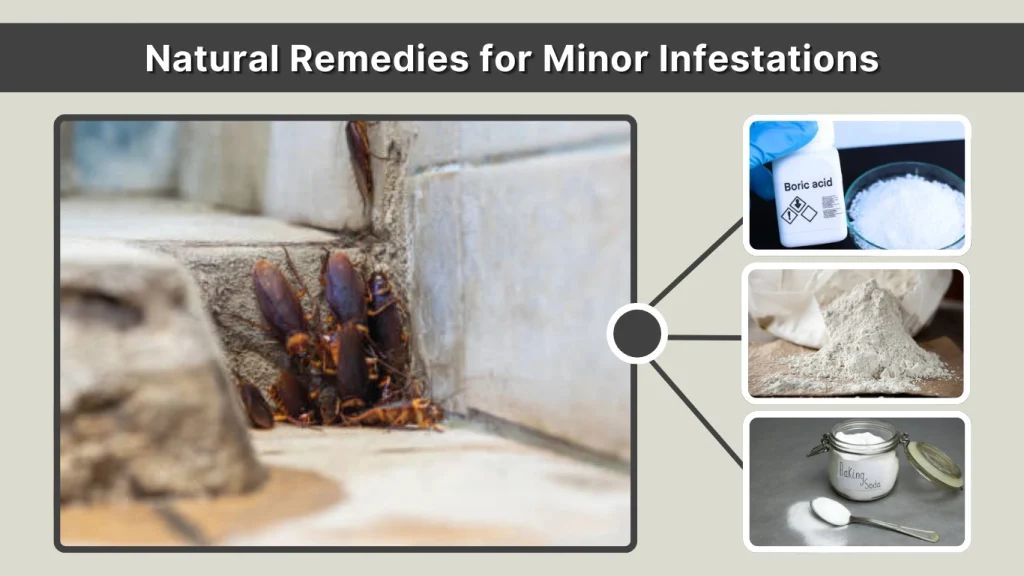
Natural methods may help control small or early-stage infestations, but they are usually less effective for severe problems.
Boric Acid
Boric acid is a common home remedy that damages a cockroach’s digestive system when ingested. Apply a thin layer in cracks, behind appliances, and under sinks. Use caution in homes with pets or children.
Diatomaceous Earth
Food-grade diatomaceous earth works by damaging the cockroach’s outer shell, leading to dehydration. Sprinkle it in dry areas where roaches travel. It remains effective as long as it stays dry.
Baking Soda and Sugar Method
A mixture of baking soda and sugar can attract and kill cockroaches. The sugar lures them in, while the baking soda reacts internally. However, this method may not eliminate larger infestations.
Natural remedies are best used as supplemental measures alongside thorough cleaning and preventive steps.
When to Call a Professional Exterminator
If cockroaches continue to appear despite consistent treatment, it may be time to contact a licensed pest control professional.
Large infestations, recurring problems, or infestations in apartment buildings often require specialized tools and commercial-grade treatments. Professionals can identify hidden nesting sites, apply targeted insecticides safely, and implement integrated pest management strategies.
While professional extermination involves upfront costs, it can save time, reduce stress, and prevent long-term damage.
How to Prevent Future Cockroach Infestations
Prevention is the most effective long-term strategy against cockroach infestation.
Maintain a regular cleaning schedule, wipe down kitchen surfaces nightly, and avoid leaving food exposed. Fix plumbing leaks promptly and reduce indoor humidity with proper ventilation.
Store pantry goods in sealed containers and take trash out regularly. Inspect dark or rarely used spaces periodically to catch early warning signs.
Seasonal inspections, especially during warmer months, can help prevent cockroaches from establishing new colonies in your home.
Conclusion
A cockroach infestation can quickly escalate from a minor nuisance to a serious health and hygiene concern. Because cockroaches reproduce rapidly and hide effectively, early detection and prompt action are essential.
By understanding the signs, addressing the underlying causes, and using a combination of cleaning, targeted treatments, and preventive measures, you can eliminate infestations and protect your home. Staying proactive is the key to keeping cockroaches from returning and maintaining a clean, healthy living environment.