
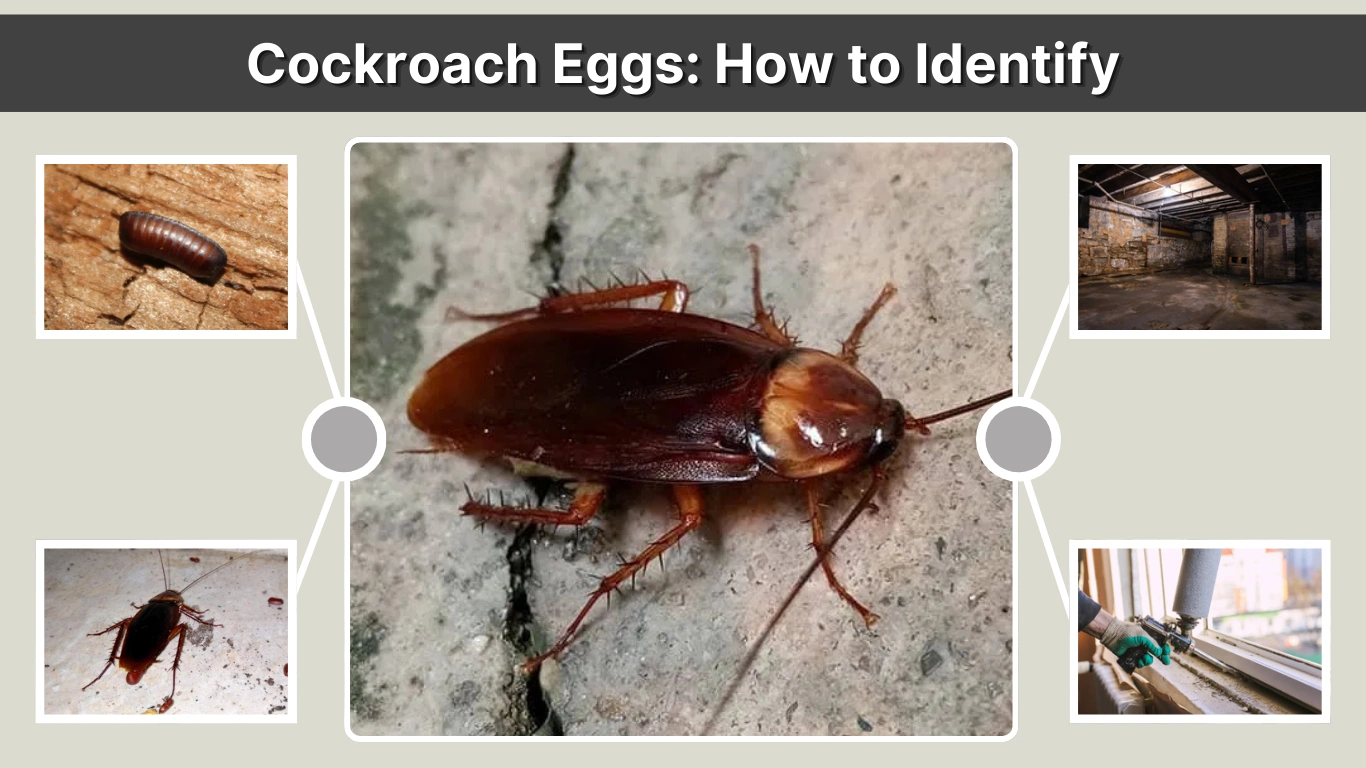
Cockroach eggs are the main reason infestations seem impossible to eliminate. Many people focus on killing adult cockroaches, only to see them return weeks later. This happens because cockroach eggs are well protected and often hidden in hard-to-reach places inside the home. A single egg case can release dozens of baby cockroaches, quickly restarting an infestation. Understanding what cockroach eggs look like, where they are found, and how to destroy them is essential for long-term control. This guide explains everything you need to know to identify, kill, and prevent cockroach eggs effectively.
What Are Cockroach Eggs?
Cockroach eggs are not laid individually like many other insects. Instead, they are grouped together in a protective structure that allows them to survive harsh conditions.
What Is a Cockroach Egg Case (Ootheca)?
A cockroach egg case, also known as an ootheca, is a hard, capsule-shaped structure that holds multiple eggs inside. The ootheca protects the eggs from physical damage, moisture loss, and many insecticides. Depending on the species, a female cockroach may carry the egg case attached to her body for some time or deposit it in a hidden location. This protective casing is one of the reasons cockroach eggs are difficult to destroy.
How Many Eggs Does a Cockroach Lay?
The number of eggs inside a cockroach egg case varies by species. German cockroaches, the most common household pest, can produce up to 30–40 eggs per ootheca. American cockroaches typically lay fewer eggs per case but produce more egg cases over their lifetime. Because one female can produce hundreds of offspring, infestations can grow rapidly if egg cases are not eliminated.
What Do Cockroach Eggs Look Like?
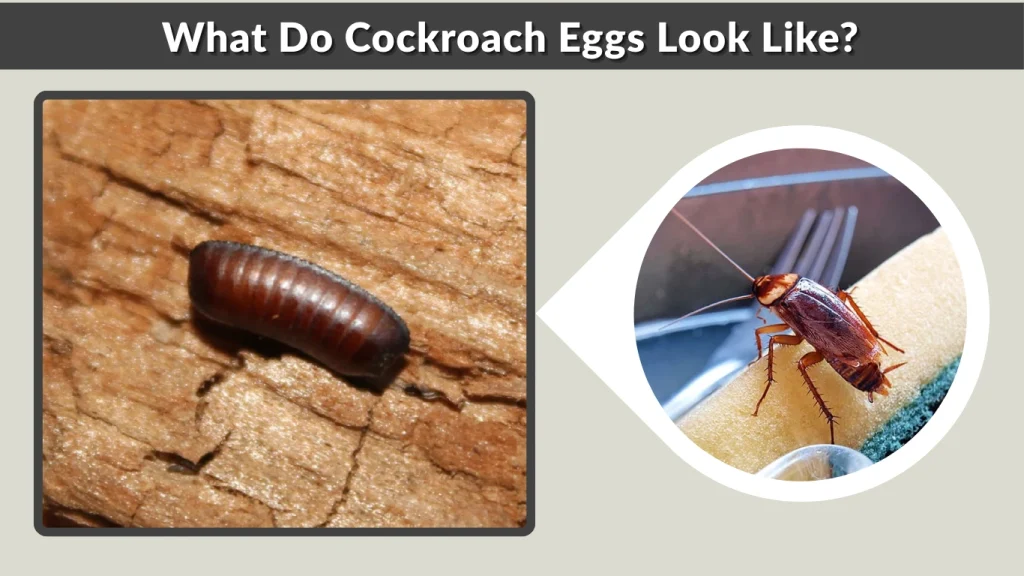
Identifying cockroach eggs correctly is important, as they are often mistaken for other debris or insect droppings.
Size, Shape, and Color
Cockroach egg cases are usually small, measuring about 5 to 10 millimeters in length. They have an oval or rectangular shape with ridges running along the sides. The color can range from light brown to dark reddish-brown, depending on the species and age of the egg case. Fresh egg cases are often lighter in color and darken as they mature.
Cockroach Eggs vs Other Insect Eggs
Cockroach eggs are commonly confused with bed bug eggs or termite eggs. However, bed bug eggs are tiny, white, and laid individually, while cockroach eggs are enclosed within a single hard case. Termite eggs are usually found in clusters and have a soft, pale appearance. Recognizing these differences helps ensure the correct pest control method is used.
Where Do Cockroaches Lay Eggs in Homes?
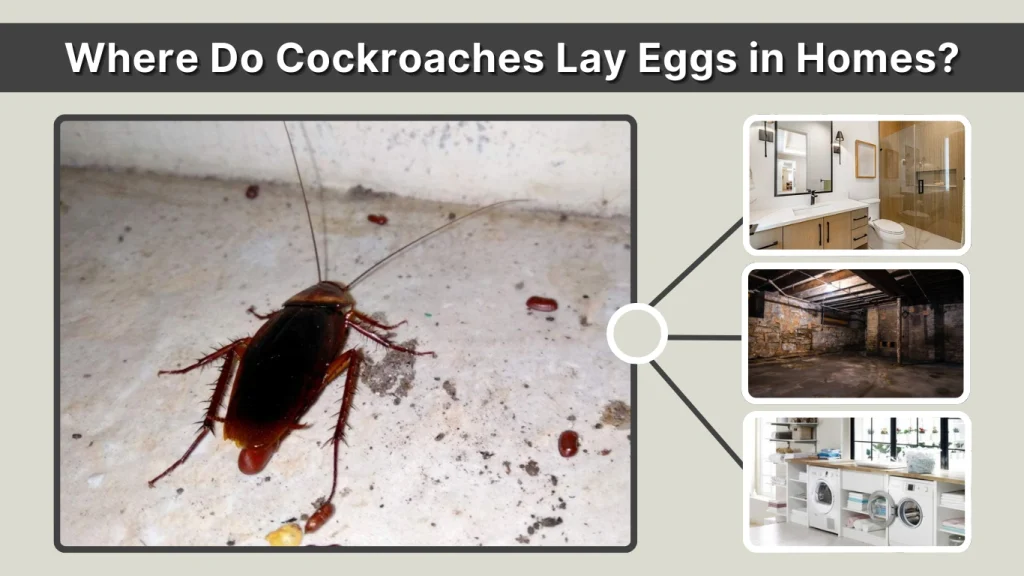
Cockroaches choose egg-laying locations that provide warmth, darkness, and protection from disturbance.
Common Indoor Locations
In homes, cockroach egg cases are most often found in kitchen cabinets, drawers, and pantries. They may also be hidden behind refrigerators, stoves, and dishwashers, where heat and food residue are present. Bathrooms, basements, and laundry areas are also common locations due to higher moisture levels. Cracks in walls, baseboards, and furniture joints provide ideal hiding spots for egg cases.
Why These Areas Attract Egg Laying
Cockroaches prefer areas that are close to food and water sources while remaining undisturbed. Dark, enclosed spaces reduce the risk of predators and human interference. Warm temperatures help eggs develop faster, increasing the survival rate of the young cockroaches once they hatch.
Cockroach Egg Life Cycle Explained
Understanding the life cycle of cockroach eggs helps explain why infestations spread so quickly.
How Long Do Cockroach Eggs Take to Hatch?
The incubation period for cockroach eggs typically ranges from two to eight weeks, depending on the species and environmental conditions. Warm temperatures and high humidity speed up the hatching process, while cooler conditions can slow it down. Once the eggs hatch, small cockroach nymphs emerge and begin searching for food immediately.
From Egg to Adult Cockroach
After hatching, cockroach nymphs emerge from the egg case looking like smaller versions of adult cockroaches. These nymphs do not have wings but are highly active and begin feeding immediately. As they grow, they shed their exoskeleton multiple times in a process called molting. Depending on the species and environmental conditions, it can take several weeks to months for a cockroach to reach full maturity. Once mature, they can begin reproducing, continuing the infestation cycle if egg cases are not eliminated.
How to Kill Cockroach Eggs Effectively
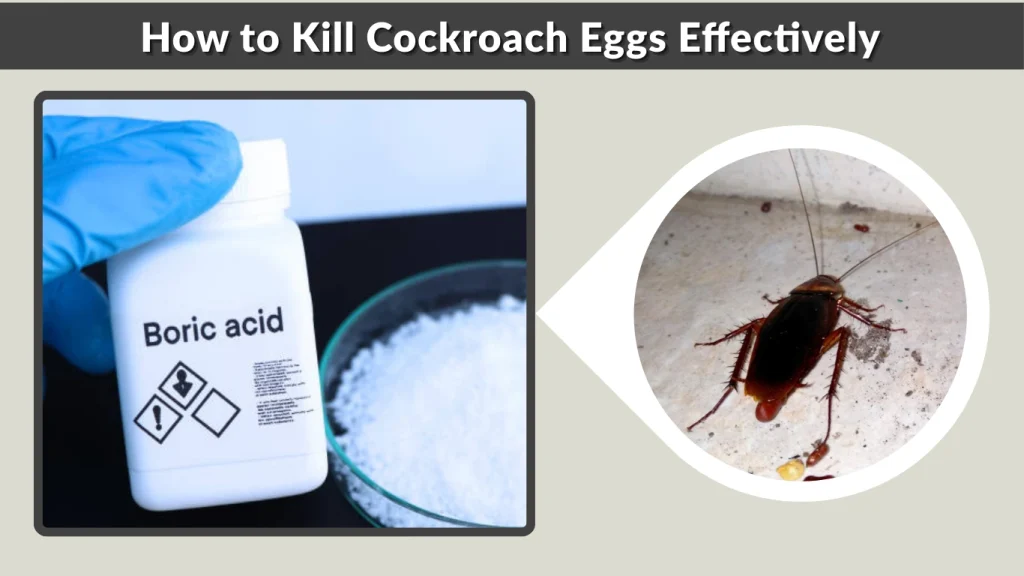
Killing cockroach eggs requires more effort than killing adult cockroaches because egg cases are well protected.
Why Cockroach Eggs Are Hard to Kill
Cockroach egg cases have a tough outer shell that protects the eggs from many insecticides. Most sprays kill only exposed adult cockroaches and do not penetrate the egg casing. As a result, new cockroaches may hatch weeks after treatment, making it seem like the infestation never ended.
Natural Methods to Destroy Cockroach Eggs
Boric acid is one of the most effective natural solutions for targeting cockroach eggs and nymphs. When cockroaches walk through boric acid, it sticks to their bodies and is ingested during grooming, eventually killing them. Diatomaceous earth works by damaging the outer layer of insects, causing dehydration. While these methods may not instantly kill eggs, they help stop newly hatched nymphs from surviving.
Chemical Products That Work on Eggs
Insect growth regulators (IGRs) are especially effective against cockroach eggs and young nymphs. These chemicals disrupt the development and reproduction cycle, preventing cockroaches from reaching adulthood or laying viable eggs. Professional-grade treatments often combine IGRs with baits to achieve long-term control.
How to Get Rid of Cockroach Eggs Permanently
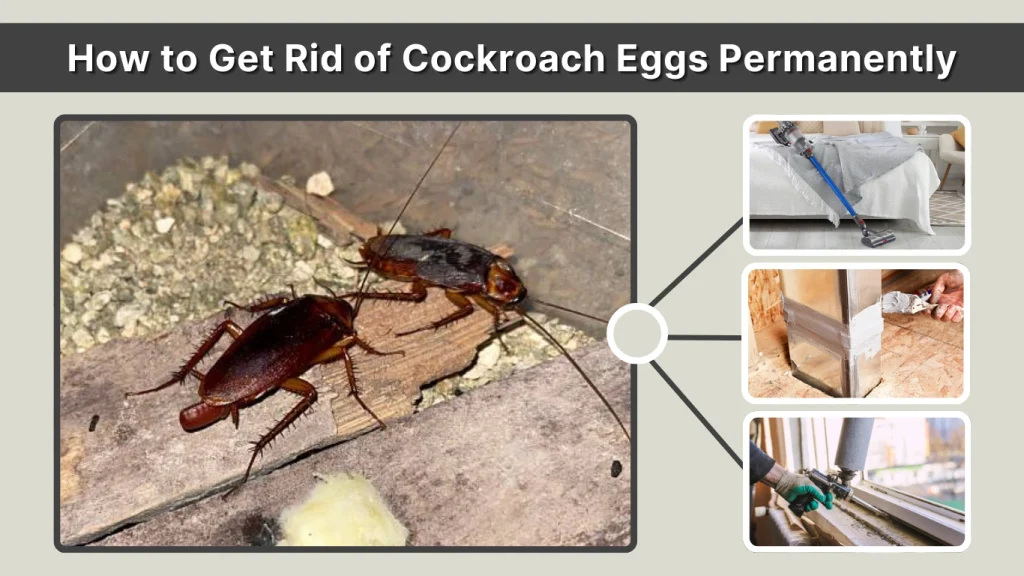
Permanent elimination requires a combination of physical removal and environmental control.
Cleaning and Physical Removal
Vacuuming is one of the most effective ways to remove cockroach egg cases from your home. Focus on cracks, corners, and areas behind appliances. After vacuuming, immediately seal and dispose of the vacuum bag to prevent eggs from hatching inside. Thorough cleaning removes food residues that attract cockroaches and reduces the chances of new egg cases being laid.
Sealing and Excluding Egg-Laying Areas
Seal cracks, gaps, and crevices in walls, cabinets, and baseboards using caulk. Reducing access to hidden areas makes it difficult for cockroaches to find safe places to lay eggs. Repairing leaks and reducing moisture also discourages egg-laying behavior.
How to Prevent Cockroaches From Laying Eggs
Prevention is the most reliable way to avoid future infestations.
Eliminating Food and Moisture Sources
Keep kitchen surfaces clean, store food in airtight containers, and avoid leaving dirty dishes overnight. Fix leaking pipes and eliminate standing water, as moisture is essential for cockroach survival and reproduction.
Preventive Treatments and Monitoring
Using bait stations and sticky traps can help monitor cockroach activity and catch early signs of reinfestation. Preventive treatments in high-risk areas can stop cockroaches before they have a chance to lay eggs.
When to Call Professional Pest Control
Signs of a Hidden Egg Infestation
If cockroaches continue to appear despite repeated cleaning and treatment, it likely means egg cases are hidden in inaccessible areas. Sudden increases in cockroach numbers often indicate recent hatching.
How Professionals Eliminate Cockroach Eggs
Professional pest control services use integrated pest management techniques that target all stages of the cockroach life cycle. This includes specialized treatments, follow-up visits, and long-term prevention plans to ensure egg cases are fully eliminated.
Conclusion
Cockroach eggs are the root cause of recurring infestations and must be addressed for permanent control. Identifying egg cases, removing them physically, and using the right treatments are essential steps in breaking the cockroach life cycle. By combining thorough cleaning, preventive measures, and professional help when needed, you can protect your home from future infestations and maintain a healthy, cockroach-free environment.