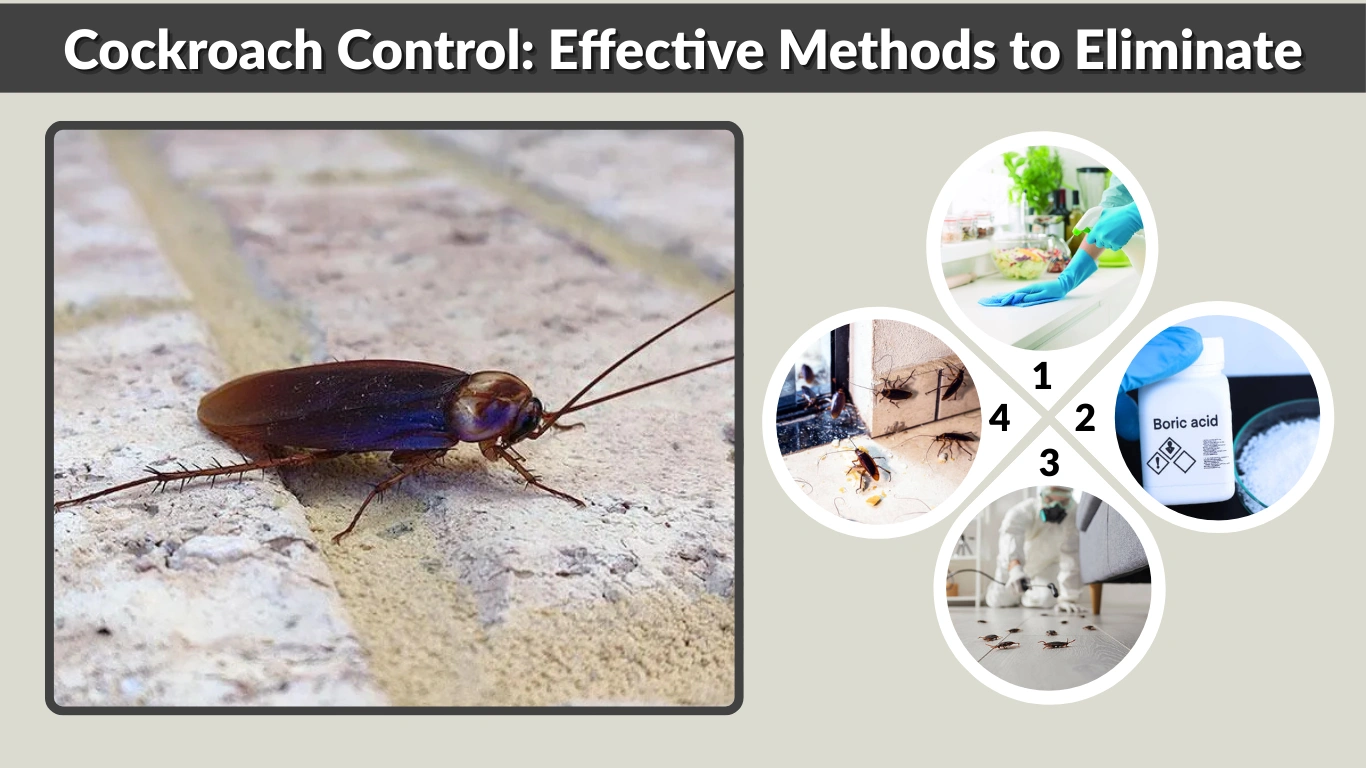
Cockroach control is essential for maintaining a clean, safe, and healthy home. These resilient pests multiply quickly, hide in dark and damp spaces, and contaminate surfaces without being easily detected. What starts as an occasional sighting can quickly turn into a full infestation if left untreated. Because cockroaches carry bacteria and trigger allergies, controlling them early is critical. With the right combination of sanitation, targeted treatments, and preventive measures, you can eliminate roaches and reduce the risk of them returning.
Why Cockroach Control Is Essential
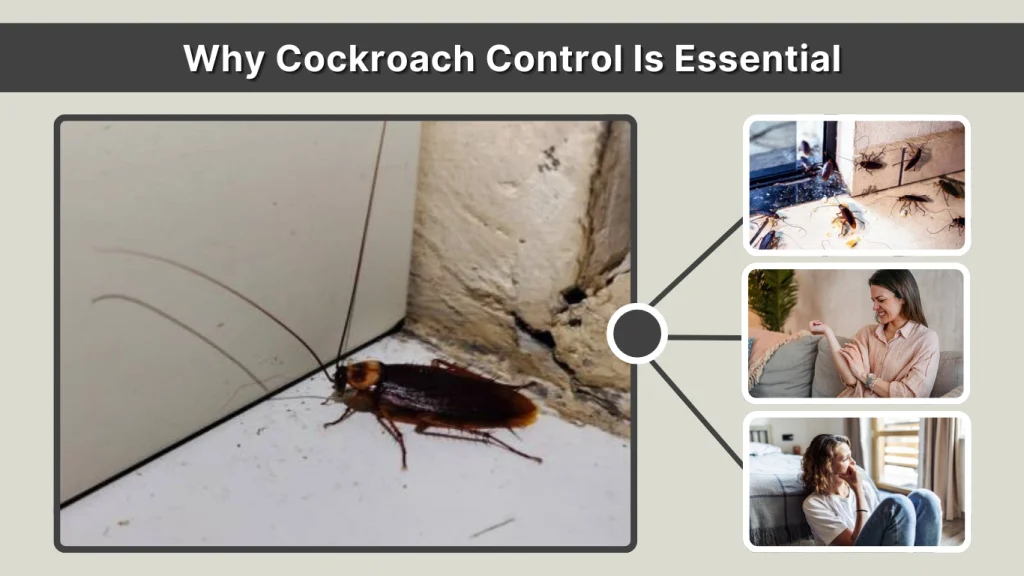
Cockroaches are more than just unpleasant household pests. Their presence can pose serious health risks and create ongoing sanitation problems. Effective cockroach control protects both your home environment and your family’s well-being.
Health Risks and Contamination
Cockroaches travel through garbage, drains, and contaminated areas before crawling across kitchen counters and food storage spaces. In doing so, they spread harmful bacteria such as Salmonella and E. coli, increasing the risk of food poisoning.
In addition to bacterial contamination, cockroach droppings, saliva, and shed skins contain allergens that may trigger asthma and allergic reactions. Children and individuals with respiratory conditions are particularly vulnerable to these effects.
Rapid Reproduction and Infestation Growth
One reason cockroach control is so important is their ability to reproduce quickly. A single female can produce multiple egg capsules, each containing several eggs. Under favorable conditions, populations can expand rapidly within weeks.
Because cockroaches hide in walls, behind appliances, and inside cabinets, infestations often grow unnoticed. By the time you regularly see roaches, the population may already be well established.
Identifying the Source of Cockroach Activity
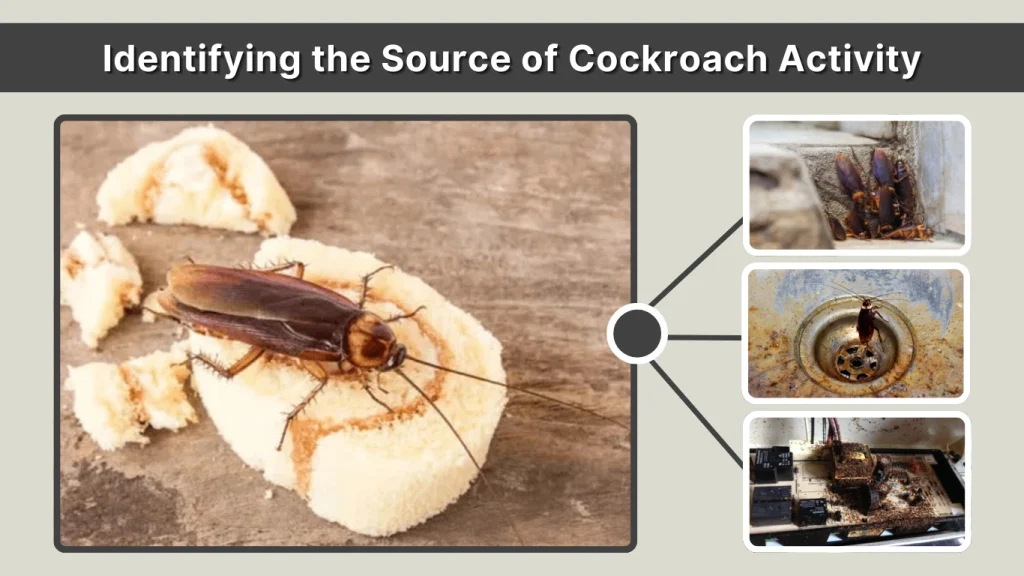
Before implementing control measures, it’s important to identify where cockroaches are hiding and what is attracting them. Understanding the source of activity helps you target treatments effectively.
Common Hiding Areas
Cockroaches prefer dark, warm, and moist environments. In homes, they are commonly found:
- Under sinks and inside kitchen cabinets
- Behind refrigerators, stoves, and dishwashers
- Inside bathroom vanities and drains
- In basements, crawl spaces, and storage rooms
They may also hide inside wall voids or around plumbing lines where moisture is present.
What Attracts Cockroaches?
Cockroaches are drawn to three main resources: food, water, and shelter.
Food Sources: Crumbs on floors, grease buildup, unsealed pantry items, pet food left out overnight, and overflowing trash bins provide easy nourishment.
Water Sources: Leaky faucets, dripping pipes, clogged drains, and excess humidity create ideal conditions for survival and breeding.
Shelter: Cluttered areas, stacks of cardboard boxes, and cracks in walls provide protection and nesting sites.
Removing these attractants is one of the most important steps in successful cockroach control.
Most Effective Cockroach Control Methods
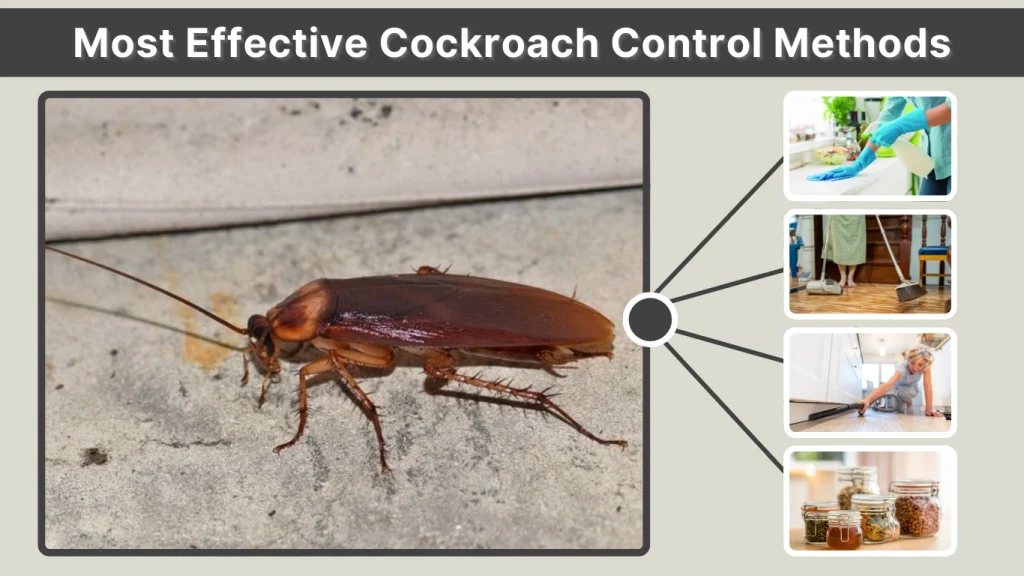
Controlling cockroaches requires a comprehensive approach. Relying on a single spray or quick fix rarely eliminates the entire population. A combination of sanitation, sealing entry points, and targeted treatments is far more effective.
Sanitation and Deep Cleaning
The foundation of cockroach control is thorough cleaning. Start by removing food and water sources that support their survival.
- Wipe down countertops daily
- Sweep and vacuum floors regularly
- Clean behind and under appliances
- Store food in airtight containers
- Take out trash frequently
Avoid leaving dirty dishes in the sink overnight, as even small food residues can attract cockroaches.
Decluttering is equally important. Reducing stacks of paper, cardboard, and unused items eliminates hiding spots and makes treatment areas more accessible.
Sealing Entry Points
Cockroaches can enter homes through tiny cracks and gaps. Sealing these openings prevents new pests from entering and limits movement within your home.
Inspect areas around plumbing, baseboards, windows, and doors. Use caulk to seal cracks and install weather stripping or door sweeps where needed. Repair damaged screens and ensure vents are properly covered.
By reducing entry points, you make your home less vulnerable to future infestations.
Baits and Gel Treatments
Cockroach baits and gel treatments are among the most effective control tools. Unlike sprays that only kill on contact, baits work by attracting cockroaches to consume poisoned food. The affected roaches then return to their hiding places, spreading the toxin to others.
Place baits in areas of high activity, such as under sinks, behind appliances, and inside cabinets. Avoid using strong chemical sprays near bait placements, as this can deter cockroaches from feeding.
Consistent placement and patience are key, as baits may take several days to significantly reduce the population.
Insect Growth Regulators (IGRs)
Insect Growth Regulators (IGRs) are an important tool in long-term cockroach control. Rather than killing roaches immediately, IGRs interfere with their development and reproduction. They prevent immature cockroaches from reaching adulthood and stop adults from producing viable eggs.
When used alongside baits and sanitation measures, IGRs help break the life cycle of the infestation. This approach reduces the likelihood of future population surges and improves overall treatment success.
Monitoring with Sticky Traps
Sticky traps are useful for monitoring cockroach activity and identifying high-traffic areas. While they may not eliminate an infestation on their own, they provide valuable insight into where roaches are most active.
Place traps under sinks, behind appliances, and along walls. Check them regularly to track progress. A decrease in trapped roaches over time usually indicates that control methods are working effectively.
Natural Cockroach Control Options
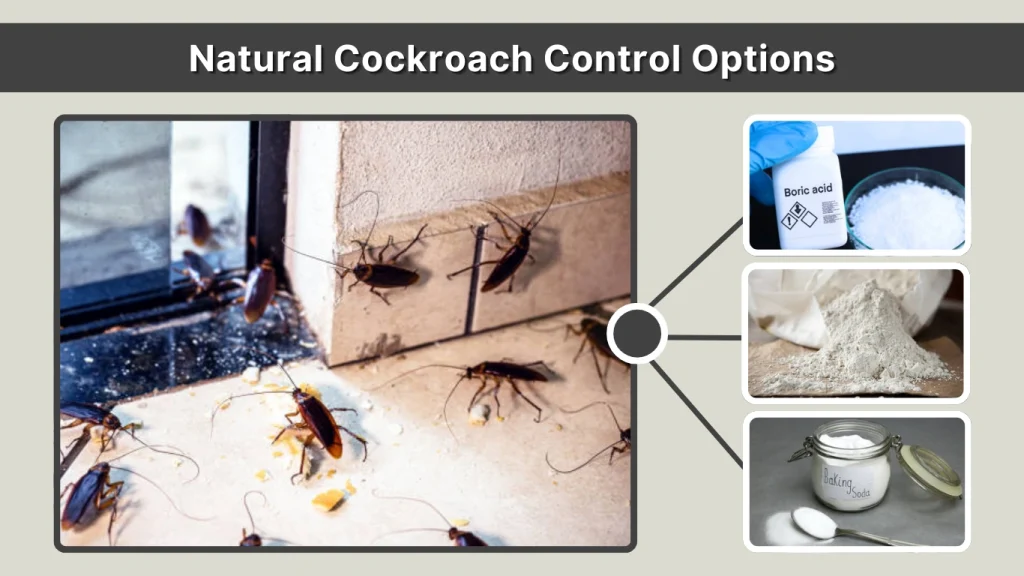
Natural remedies can help manage minor cockroach problems or serve as supplementary measures alongside other treatments. However, they may not be sufficient for large or well-established infestations.
Boric Acid
Boric acid is one of the most widely used natural control substances. When cockroaches walk through it, the powder clings to their bodies and is ingested during grooming. It disrupts their digestive systems and eventually kills them.
Apply a thin layer in cracks, behind appliances, and under sinks. Avoid excessive amounts, as cockroaches may avoid large visible piles. Use caution in homes with pets or small children.
Diatomaceous Earth
Food-grade diatomaceous earth works by damaging the outer layer of a cockroach’s exoskeleton, causing dehydration. It remains effective as long as it stays dry.
Lightly dust it in dry, hidden areas where roaches travel. Like boric acid, it works best when applied in thin, barely visible layers.
Baking Soda and Sugar
A mixture of baking soda and sugar is sometimes used as a home remedy. The sugar attracts cockroaches, while the baking soda reacts inside their digestive systems. Although simple and inexpensive, this method is generally less effective than commercial bait products.
Natural remedies can help reduce small populations but should be part of a broader cockroach control strategy.
Professional Cockroach Control Services
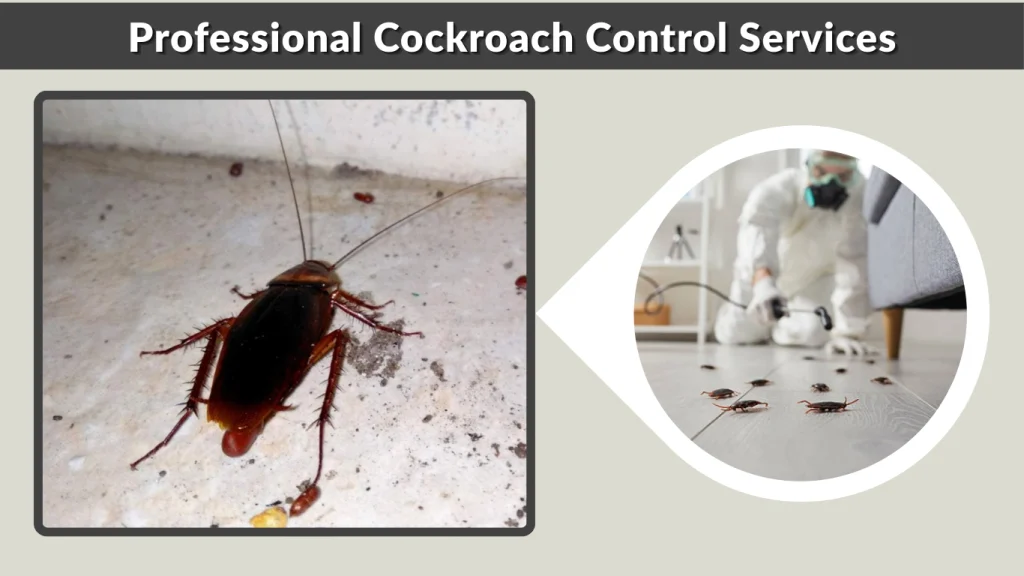
In some cases, professional pest control services are necessary. If cockroaches continue to appear despite consistent cleaning and treatment, the infestation may be larger than it seems.
Professional exterminators conduct thorough inspections to identify hidden nesting areas. They use commercial-grade baits, insecticides, and integrated pest management (IPM) strategies designed for long-term effectiveness.
What to Expect During Treatment
A professional cockroach control service typically begins with a detailed inspection. The technician will assess problem areas, locate nesting sites, and determine the severity of the infestation.
Treatment may include targeted bait placement, application of residual insecticides in cracks and crevices, and the use of IGRs. Follow-up visits are often scheduled to monitor progress and ensure the infestation is fully resolved.
Cost Considerations and Long-Term Value
While professional services involve upfront costs, they can save money over time by preventing recurring infestations. Repeated DIY attempts may become costly without delivering lasting results. Professional treatment often provides faster and more reliable relief.
Preventing Future Cockroach Problems
Once you’ve eliminated an infestation, prevention becomes the priority. Consistent habits and regular maintenance significantly reduce the risk of recurrence.
Proper Food Storage
Store dry goods in sealed containers and avoid leaving food exposed overnight. Clean spills immediately and wipe down surfaces daily.
Moisture Control and Leak Repairs
Fix leaking pipes and faucets promptly. Use dehumidifiers in damp areas such as basements to reduce excess moisture.
Routine Home Inspections
Inspect dark corners, storage areas, and under appliances periodically. Early detection makes control easier and prevents large infestations.
Seasonal Prevention Tips
Cockroach activity often increases in warmer months. During these periods, be especially vigilant about sealing cracks, removing trash regularly, and maintaining sanitation practices.
DIY vs Professional Cockroach Control
Choosing between DIY and professional cockroach control depends on the severity of the problem.
DIY methods are suitable for small or early-stage infestations and require consistent effort. They are generally more affordable but may take longer to produce results.
Professional treatment is ideal for severe, widespread, or recurring infestations. Although more expensive upfront, it often delivers faster and more comprehensive control.
Evaluating the size of the infestation and your ability to maintain ongoing treatment will help determine the best option.
Conclusion
Cockroach control requires more than a single treatment—it demands a comprehensive strategy that combines sanitation, targeted products, and preventive maintenance. Because cockroaches reproduce quickly and hide effectively, early and consistent action is critical.
By identifying the source of activity, applying effective control methods, and maintaining a clean environment, you can eliminate roaches and reduce the risk of future infestations. A proactive approach ensures your home remains safe, hygienic, and pest-free.