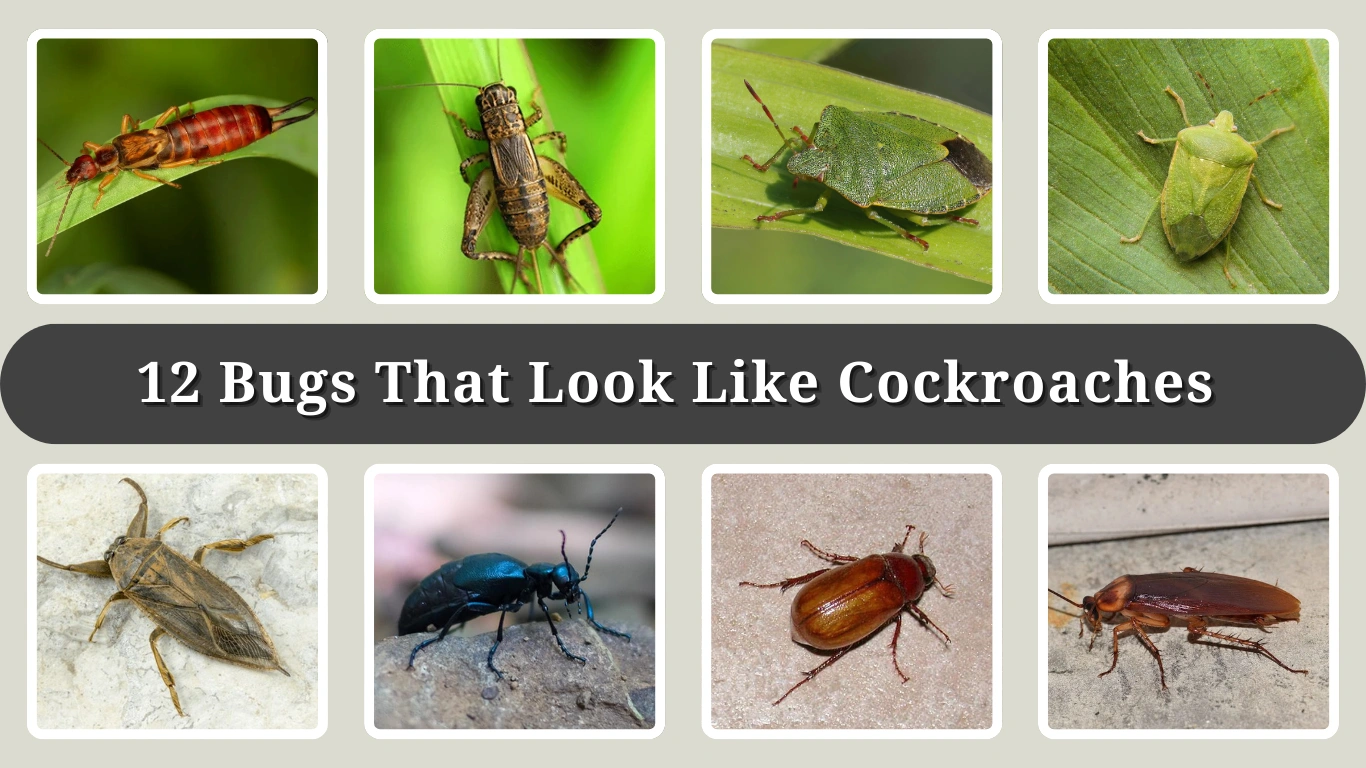
Cockroaches are one of the most recognized household pests, but many insects share similar size, shape, or color, making them easy to confuse. From beetles to water bugs, these lookalikes can cause unnecessary concern. Knowing the differences helps with proper identification and pest control. This guide explores 12 common bugs often mistaken for cockroaches, highlighting how to recognize them, their habitats, and their diets.
1. Water Bug
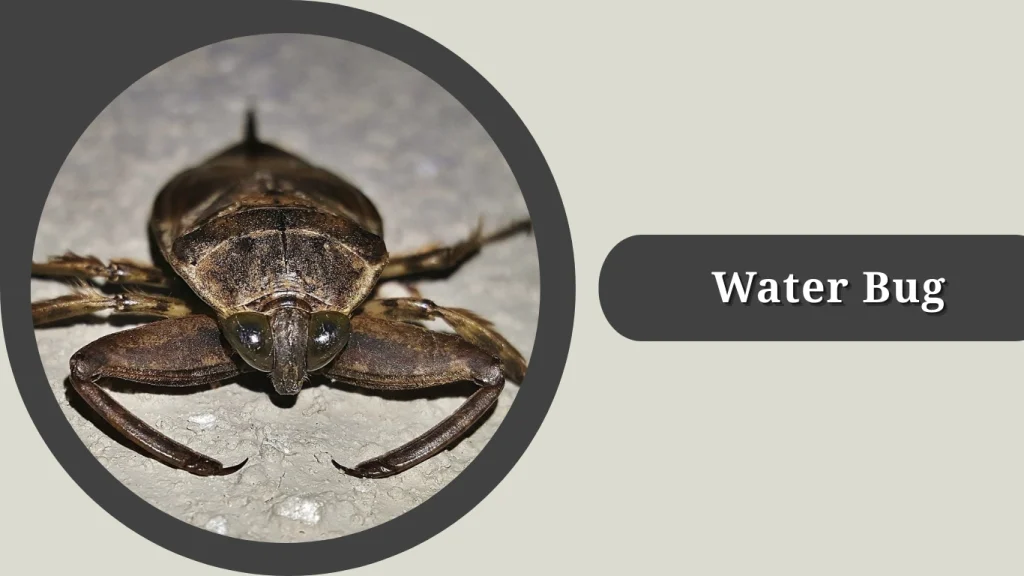
Water bugs are large aquatic insects that are frequently mistaken for cockroaches due to their size and dark coloring. They belong to the family Belostomatidae and are commonly found in freshwater environments. Unlike cockroaches, they are true water dwellers with unique hunting behaviors.
Identification
- Size: Typically 2–4 inches long
- Shape: Flat, oval body with broad legs
- Color: Dark brown to black
- Features: Prominent pincers and short, pointed beak
Similar to Cockroach
Water bugs resemble cockroaches in their dark, glossy appearance and flat body shape. From a distance, their size and quick movements can easily cause confusion. However, their aquatic nature and pincers set them apart.
Habitat and Diet
Water bugs thrive in ponds, lakes, and slow-moving streams. They are predators, feeding on fish, tadpoles, and insects. Using their strong forelegs, they grab prey and inject digestive enzymes to consume them.
2. Palmetto Bug
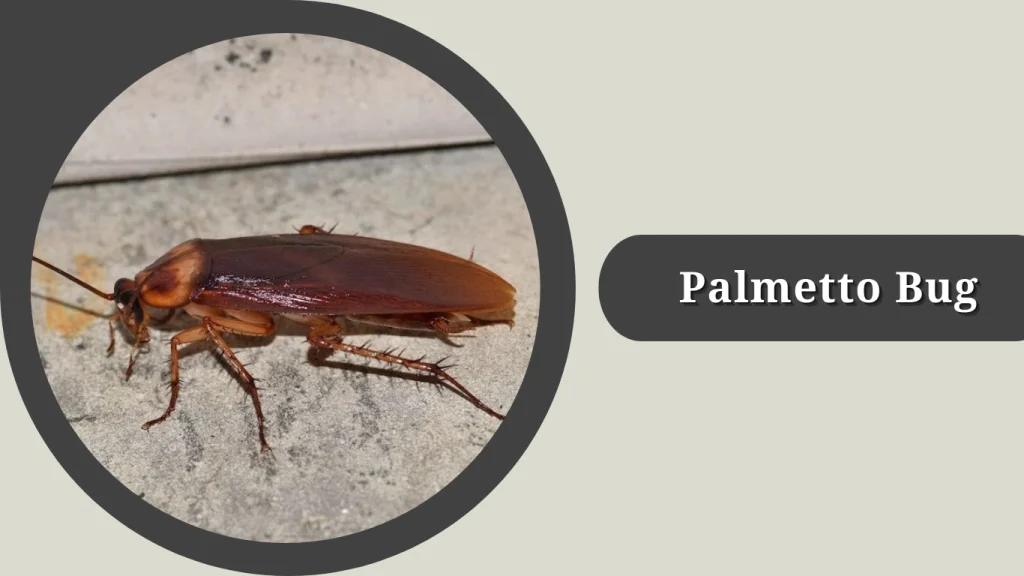
Palmetto bugs are actually a type of large cockroach, often referred to by this regional name in the southern United States. Their size and appearance make them alarming, and many confuse them with other roach-like insects.
Identification
- Size: Around 1.5–2 inches long
- Shape: Oval body with long antennae
- Color: Reddish-brown with a glossy sheen
- Features: Fully developed wings, capable of gliding
Similar to Cockroach
Since palmetto bugs are indeed cockroaches, the similarity is exact. They are often mistaken for “giant cockroaches,” but the name is mostly regional.
Habitat and Diet
They prefer warm, damp areas such as basements, sewers, and wood piles. Palmetto bugs are scavengers, feeding on decaying organic matter, plants, and even food scraps inside homes.
3. Ground Beetle
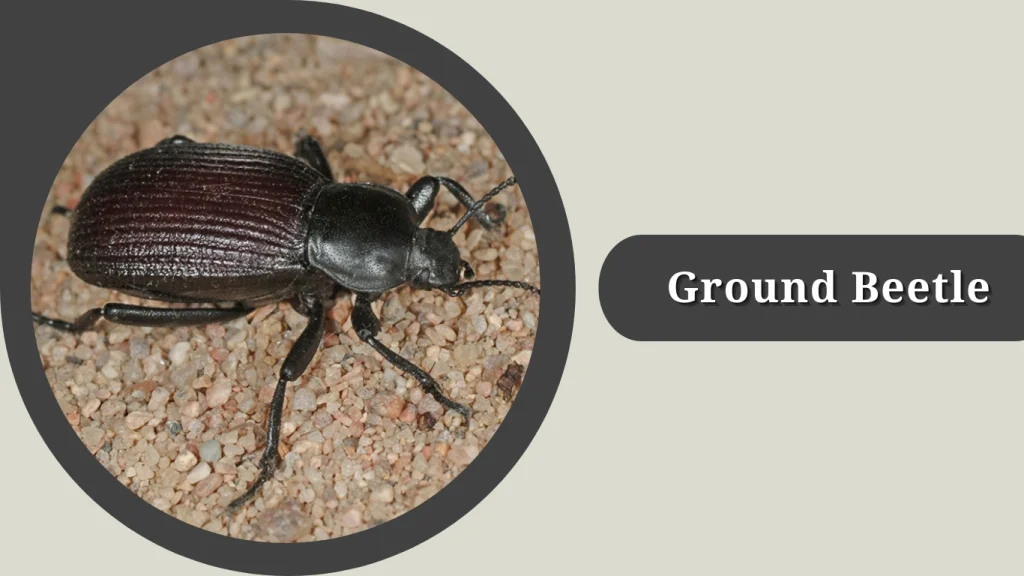
Ground beetles are commonly mistaken for cockroaches due to their dark, shiny exoskeleton and fast movements. They are beneficial insects, often preying on garden pests.
Identification
- Size: 0.5–1 inch long
- Shape: Elongated, flattened body
- Color: Usually black or metallic shades
- Features: Long legs and prominent mandibles
Similar to Cockroach
Ground beetles’ glossy dark color and scurrying motion at night make them appear cockroach-like. However, unlike roaches, they do not have long antennae or flat, broad thoraxes.
Habitat and Diet
They live in soil, under rocks, or within garden beds. Ground beetles are predators that feed on caterpillars, slugs, and other harmful insects, making them valuable in natural pest control.
4. June Bug
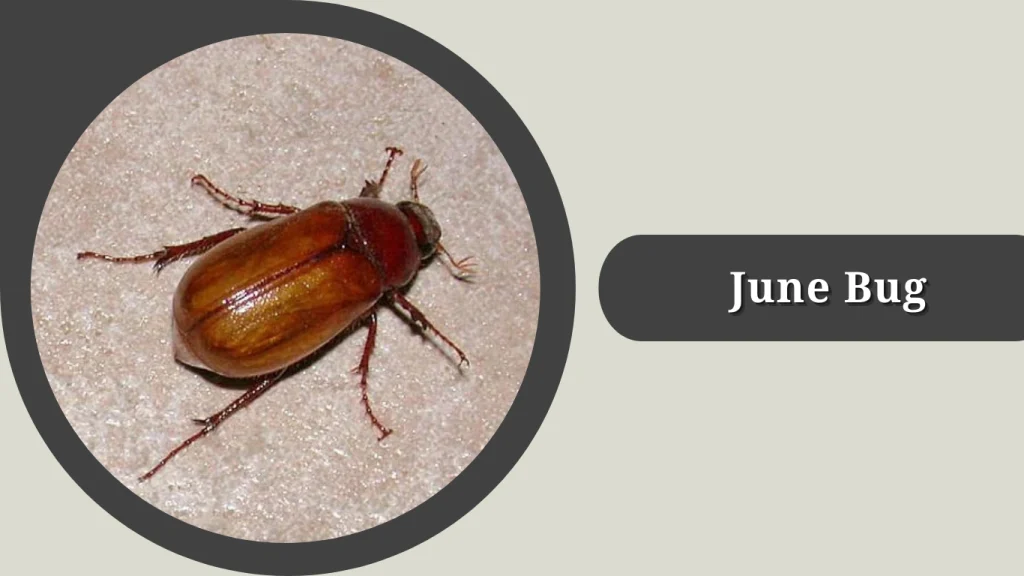
June bugs, also called May beetles, are part of the scarab beetle family. Their bulky bodies and reddish-brown shells often cause them to be mistaken for cockroaches, especially when seen indoors or around lights at night.
Identification
- Size: 0.5–1 inch long
- Shape: Rounded, oval body
- Color: Reddish-brown to dark brown
- Features: Hard outer wings (elytra), short antennae with fan-like tips
Similar to Cockroach
At a glance, June bugs’ color and shape mimic cockroaches. However, they are clumsier in movement and flight, unlike the quick, skittering motion of roaches. Their fan-shaped antennae are also distinctive.
Habitat and Diet
June bugs are often found in grassy or wooded areas. As larvae (white grubs), they live underground and feed on plant roots, causing lawn damage. Adults primarily eat leaves and are attracted to artificial lights at night.
5. Asian Longhorned Beetle
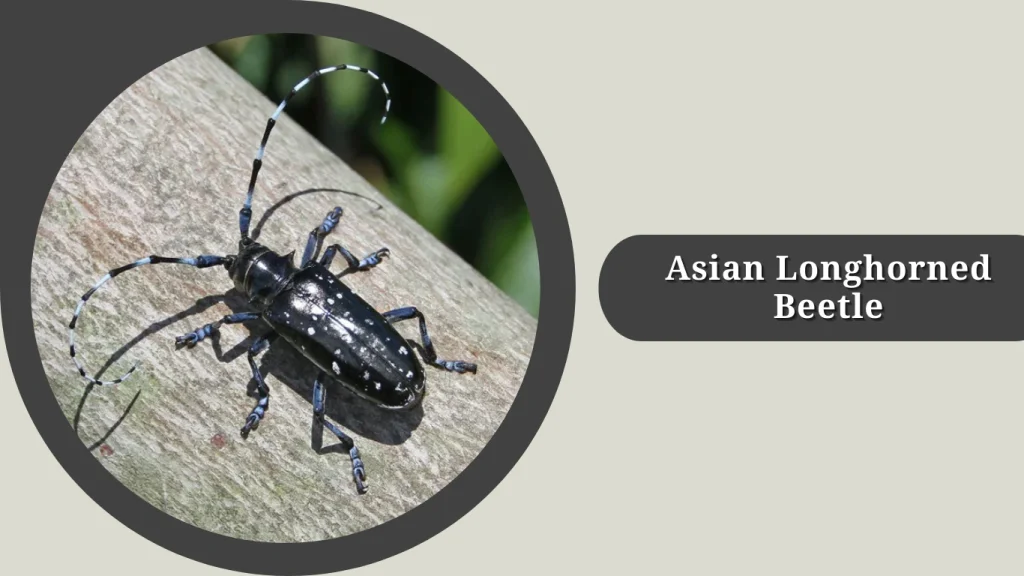
Asian longhorned beetles are invasive pests known for their striking appearance. Their dark, shiny bodies and movements may be confused with cockroaches, though closer inspection reveals unique features.
Identification
- Size: 1–1.5 inches long
- Shape: Elongated, cylindrical body
- Color: Shiny black with distinct white spots
- Features: Very long, banded antennae (often longer than body length)
Similar to Cockroach
Their dark color and body shape can trick people into thinking they are roaches. However, their large spotted bodies and dramatically long antennae make them much different upon closer view.
Habitat and Diet
Asian longhorned beetles are wood-boring insects. They live in hardwood trees, tunneling through bark and heartwood. Their diet consists mainly of tree tissue, which makes them destructive pests to forests and urban trees.
6. Oriental Beetle
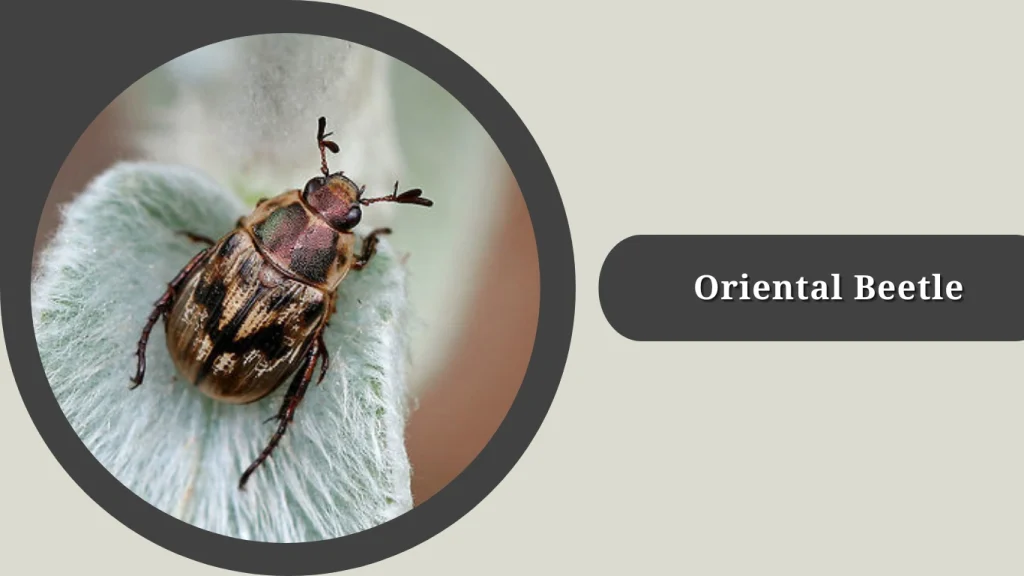
Oriental beetles are small scarab beetles that can easily be confused with cockroaches due to their dark coloring and oval body. Though less common indoors, they often appear around gardens and lawns.
Identification
- Size: About 0.4 inches long
- Shape: Oval, compact body
- Color: Dark brown to black with mottled or shiny patterns
- Features: Short legs and clubbed antennae
Similar to Cockroach
Their dark, glossy look and oval body may resemble small cockroaches. However, they lack the long antennae and flattened thorax typical of roaches, and their movement is slower.
Habitat and Diet
Oriental beetles thrive in grassy areas and gardens. As larvae (grubs), they feed on plant roots, damaging turf and ornamental plants. Adults feed on flower petals, often causing damage to roses, dahlias, and phlox.
7. American Oil Beetle
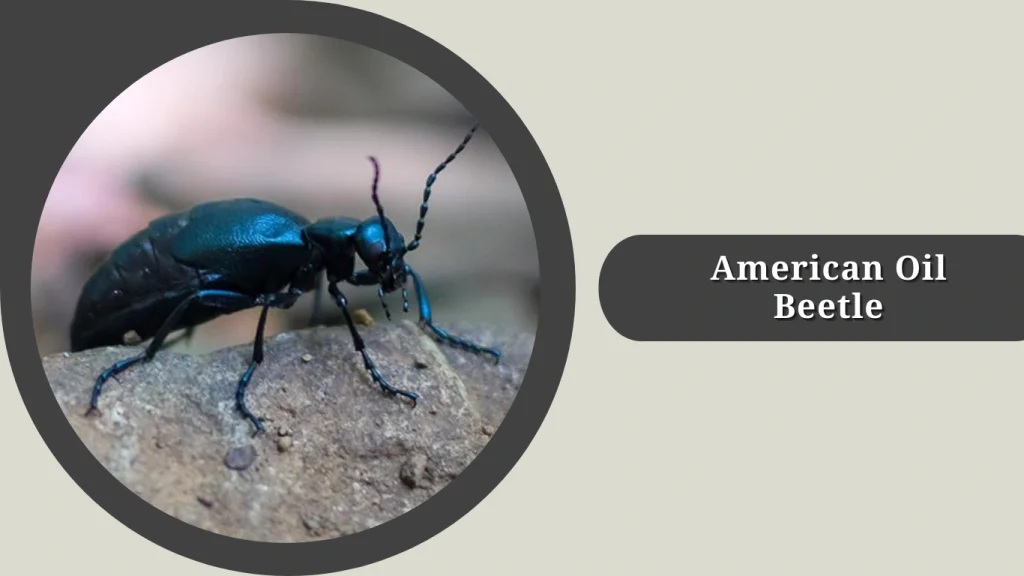
American oil beetles are flightless blister beetles that can be mistaken for cockroaches because of their dark, shiny, elongated bodies. They are slow-moving but quite noticeable when disturbed.
Identification
- Size: 0.5–1 inch long
- Shape: Elongated, soft body with small head
- Color: Dark blue-black or shiny black
- Features: Wing covers are shortened and don’t allow flight
Similar to Cockroach
At first glance, their shiny black shells and body size resemble cockroaches. However, their inability to fly and their very slow, lumbering movement make them easy to differentiate upon closer inspection.
Habitat and Diet
They live in fields, gardens, and meadows. Larvae are parasitic, often preying on bee nests. Adults feed on plants, particularly flowers and foliage, and release an oily defensive chemical when threatened.
8. Giant Water Bug
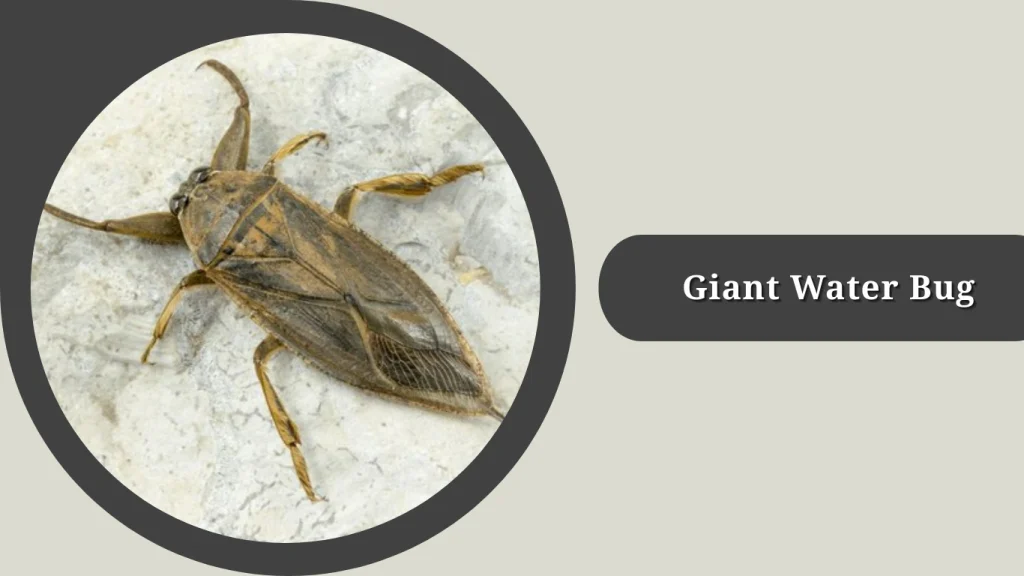
Giant water bugs, also known as “toe-biters,” are one of the largest insects that people often confuse with cockroaches. Their flat, oval shape and dark color add to the mix-up, though they are fierce aquatic predators.
Identification
- Size: 2–4 inches long
- Shape: Broad, oval body with raptorial front legs
- Color: Brown to dark brown
- Features: Short beak, large pincers, wings covering the back
Similar to Cockroach
Their glossy brown bodies and flat shape resemble cockroaches at first glance. They also scurry quickly when disturbed. Unlike roaches, they are aquatic hunters with strong pincers for catching prey.
Habitat and Diet
They are found in ponds, lakes, and streams. Giant water bugs feed on fish, frogs, tadpoles, and other insects. They inject digestive saliva into prey and suck out the liquefied tissues.
9. Shield Bug
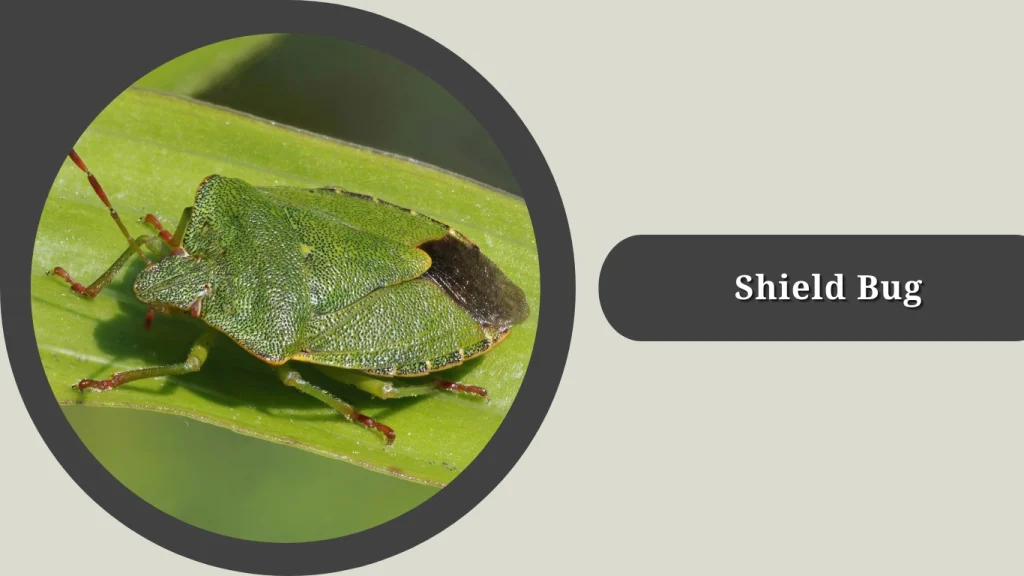
Shield bugs, also called stink bugs, are often confused with cockroaches because of their flat, wide bodies and tendency to invade homes. Their distinctive shield-like shape is the key to telling them apart.
Identification
- Size: 0.5–0.7 inches long
- Shape: Broad, shield-shaped body
- Color: Green, brown, or mottled
- Features: Triangular “scutellum” (shield) on the back
Similar to Cockroach
From a distance, their flattened shape and brownish coloring may look cockroach-like. However, they have a more angular body structure and a pronounced shield shape, unlike the smooth oval form of cockroaches.
Habitat and Diet
Shield bugs inhabit gardens, orchards, and crop fields. They feed by piercing plants and sucking sap, often damaging fruits, vegetables, and ornamental plants. Indoors, they are more of a nuisance than a threat.
10. Stink Bug
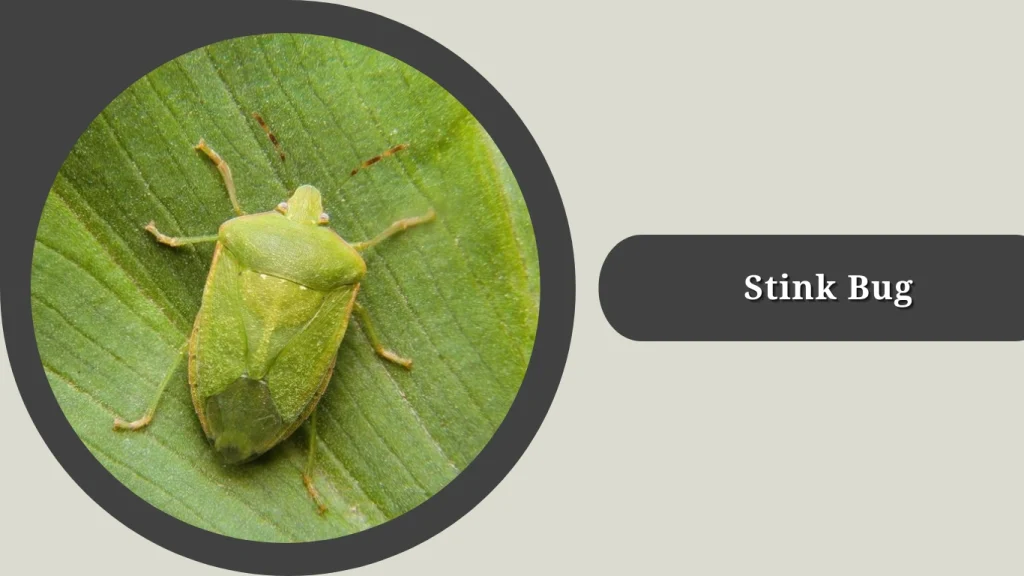
Stink bugs are common household invaders that many people mistake for cockroaches, especially during cooler months. Their flattened bodies and brown coloring contribute to the confusion, though they release a distinct odor when threatened.
Identification
- Size: 0.5–0.7 inches long
- Shape: Triangular, shield-like body
- Color: Brown, green, or mottled patterns
- Features: Antennae with light bands and piercing-sucking mouthparts
Similar to Cockroach
Their brown color and flat bodies can mimic cockroaches at a glance. However, stink bugs are more angular and move slowly compared to the quick scurrying of roaches. Their tendency to gather near windows in groups also sets them apart.
Habitat and Diet
Stink bugs are found in gardens, fields, and homes. They feed on fruits, vegetables, and ornamental plants by piercing and sucking juices. Indoors, they don’t cause structural damage but release an unpleasant odor when disturbed.
11. Crickets
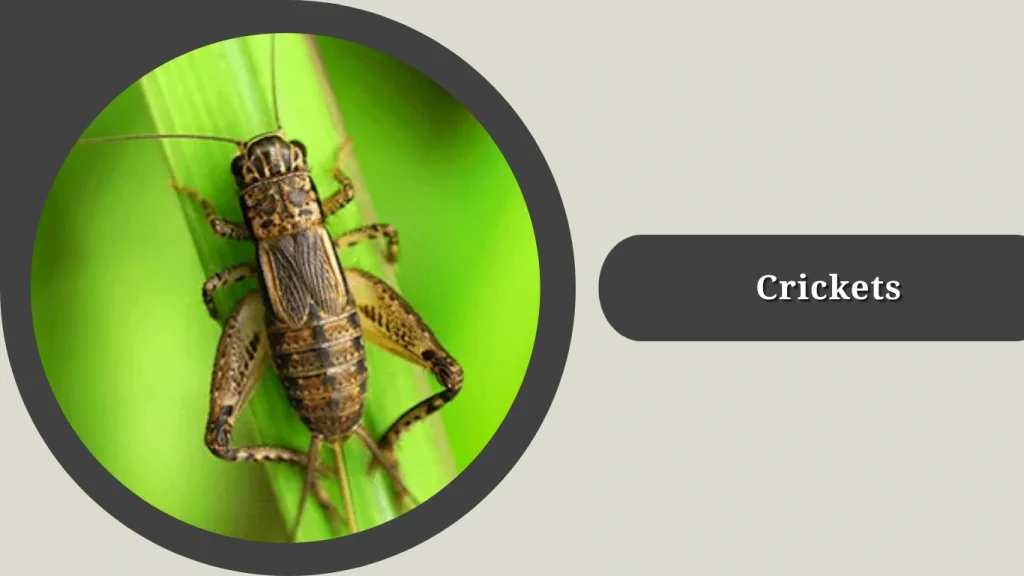
Crickets are jumping insects that sometimes get mistaken for cockroaches because of their dark color and long antennae. They are more often heard than seen, thanks to their distinctive chirping sounds.
Identification
- Size: 0.5–1 inch long
- Shape: Cylindrical body with strong hind legs
- Color: Dark brown to black
- Features: Long antennae and powerful jumping legs
Similar to Cockroach
In dim light, their dark bodies and long antennae may resemble cockroaches. Their quick movements across the floor can also cause confusion. However, crickets hop rather than scuttle, which makes them easy to identify once observed closely.
Habitat and Diet
Crickets prefer warm, damp environments like basements and gardens. They are omnivores, feeding on plants, fungi, small insects, and food scraps. Their presence indoors is usually more of a nuisance than a health risk.
12. Earwig
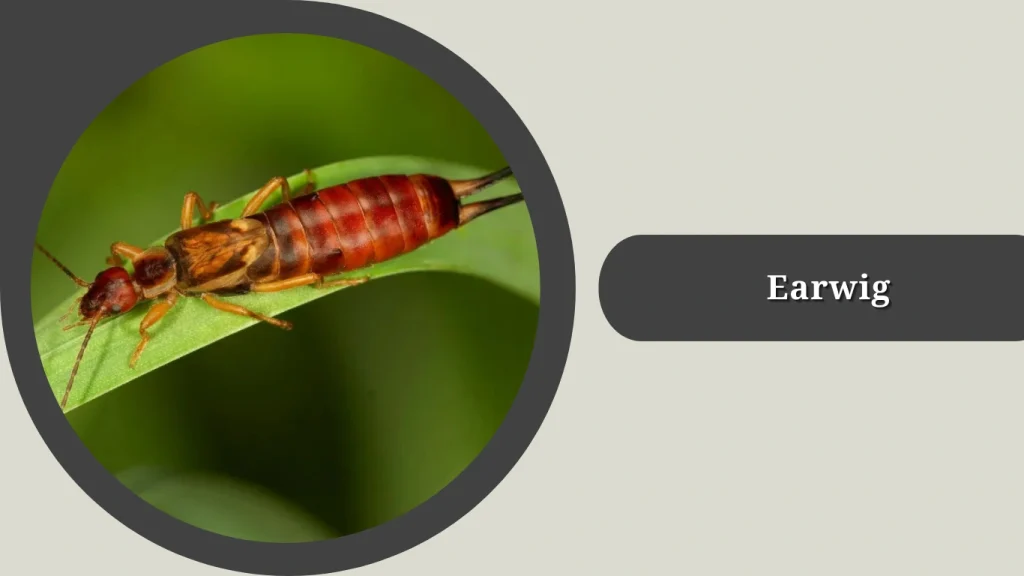
Earwigs are small, elongated insects that are sometimes mistaken for cockroaches because of their dark coloring and fast movements. Their most distinctive feature is the pair of pincers (forceps) at the end of their abdomen.
Identification
- Size: 0.25–1 inch long
- Shape: Slender, elongated body
- Color: Reddish-brown to dark brown
- Features: Prominent pincers (cerci) at the rear, short forewings
Similar to Cockroach
Their fast movements and dark bodies make them look cockroach-like, especially when seen indoors at night. However, the visible pincers at their back end are unique to earwigs and not found on cockroaches.
Habitat and Diet
Earwigs live in damp, dark places such as under rocks, mulch, and leaf litter. They are omnivorous, feeding on plants, decaying organic matter, and small insects. Indoors, they usually enter by accident and are not harmful.