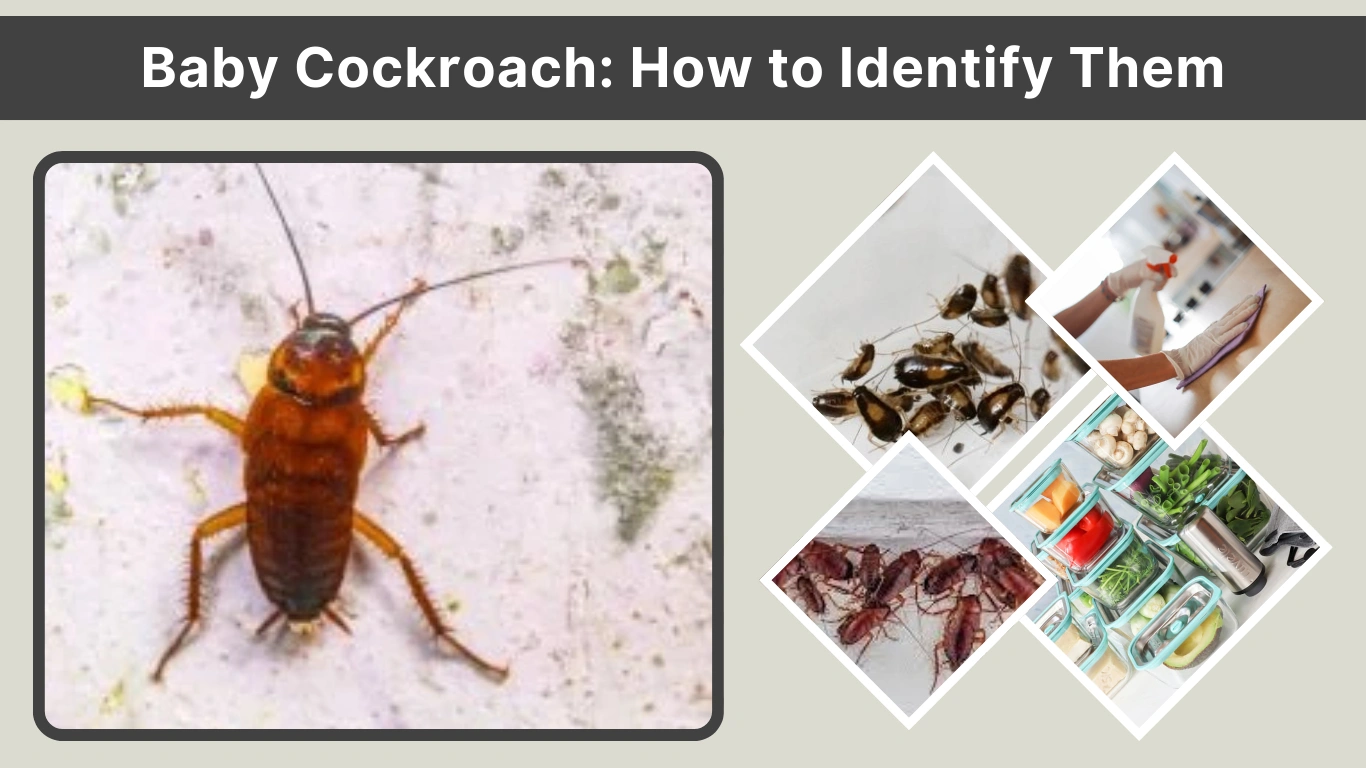
A baby cockroach, commonly known as a cockroach nymph, is the immature stage of a cockroach’s life cycle. Many people panic when they see small roaches indoors because baby cockroaches often signal a hidden infestation. These tiny insects are frequently mistaken for bed bugs or ants, making proper identification important. Understanding what baby cockroaches look like, where they come from, and why they appear inside homes can help you take early action before the problem grows into a serious infestation.
What Is a Baby Cockroach?
A baby cockroach is the juvenile form of a cockroach and is scientifically referred to as a nymph. Cockroaches undergo an incomplete metamorphosis, meaning they do not have a larval or pupal stage like butterflies. Instead, their life cycle consists of three stages: egg, nymph, and adult.
After hatching from an egg case called an ootheca, baby cockroaches immediately begin searching for food and shelter. They resemble adult cockroaches in shape but are much smaller and lack fully developed wings. As they grow, nymphs shed their outer skin multiple times until they reach adulthood.
What Do Baby Cockroaches Look Like?
Size and Physical Appearance
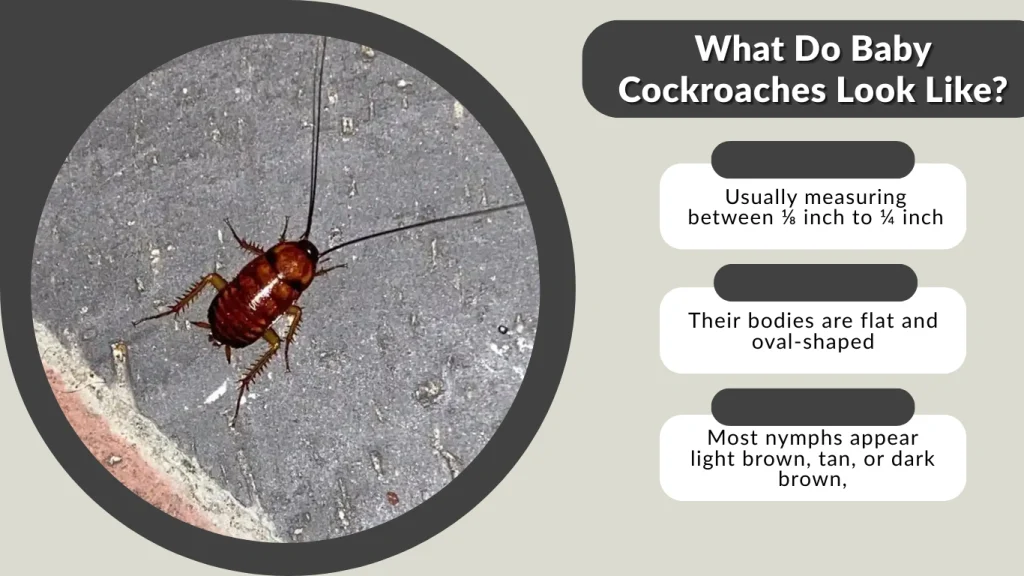
Baby cockroaches are very small, usually measuring between ⅛ inch to ¼ inch depending on their age and species. Their bodies are flat and oval-shaped, which allows them to squeeze into cracks, crevices, and other tight spaces. Unlike adult cockroaches, baby cockroaches do not have wings, making them appear more compact.
They move quickly and tend to hide when exposed to light, which often makes them difficult to spot clearly.
Color Variations by Species
The color of a baby cockroach varies by species and age. Most nymphs appear light brown, tan, or dark brown, and some may look almost black shortly after hatching. As they mature and molt, their color gradually becomes closer to that of adult cockroaches. German cockroach nymphs, for example, are darker early on but lighten as they grow.
Baby Cockroach vs Adult Cockroach
The main difference between baby and adult cockroaches is size and wing development. Adult cockroaches are significantly larger and have fully formed wings, while baby cockroaches are wingless. Adults also tend to move more slowly, whereas nymphs are fast and more elusive. Seeing only baby cockroaches often means the infestation is nearby and actively breeding.
Common Types of Baby Cockroaches Found Indoors
German Cockroach Nymph
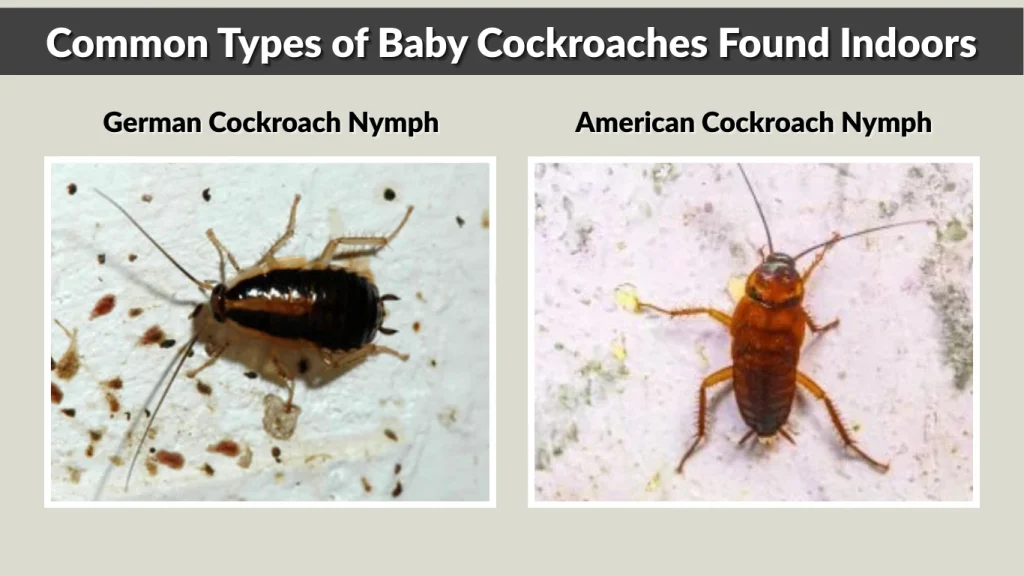
German cockroach nymphs are the most common baby cockroaches found inside homes and apartments. They are small, dark-colored, and usually found in kitchens and bathrooms. This species reproduces rapidly, which is why seeing German baby cockroaches often indicates a serious infestation.
American Cockroach Nymph
American cockroach nymphs are larger than most other baby cockroaches. They prefer warm, damp environments such as basements, crawl spaces, and utility rooms. Although less common indoors than German cockroaches, they can still appear in homes with moisture issues.
Oriental and Brown-Banded Cockroach Nymphs
Oriental cockroach nymphs are dark brown or black and prefer cool, damp areas like drains and basements. Brown-banded nymphs are lighter in color and may be found in drier areas such as bedrooms, closets, or behind furniture.
Where Do Baby Cockroaches Come From?
Baby cockroaches hatch from egg cases that adult female cockroaches deposit in hidden, protected locations. These egg cases can contain dozens of eggs, which explains why baby cockroaches often appear suddenly and in groups.
Common hiding and hatching areas include behind appliances, inside cabinets, under sinks, wall cracks, and near food sources. Because the eggs are well-protected, infestations can go unnoticed until baby cockroaches begin roaming the home.
Why Am I Seeing Baby Cockroaches in My House?
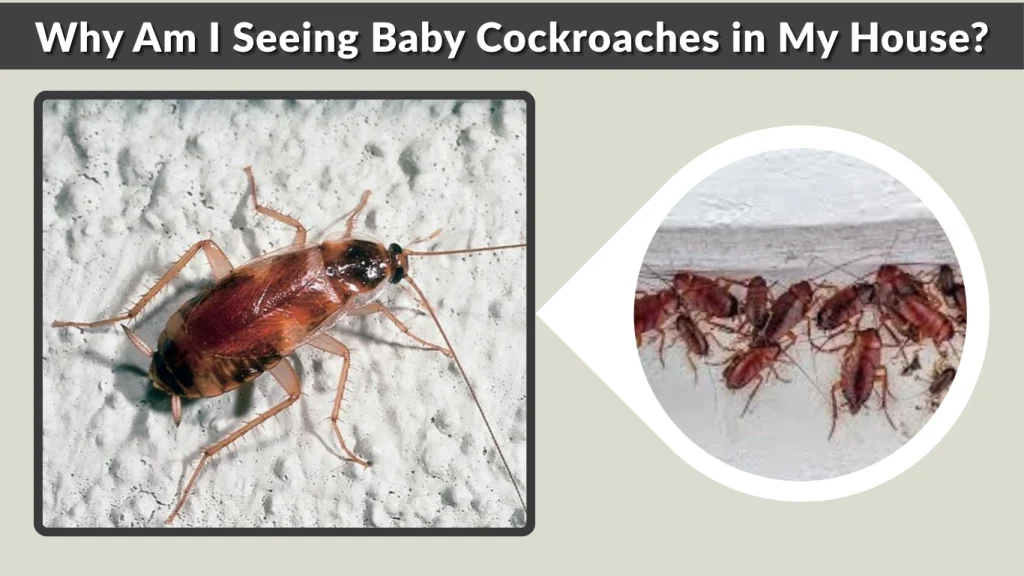
Seeing baby cockroaches is usually a strong sign of an active infestation. Since nymphs rarely travel far from their nesting areas, their presence often means cockroaches are breeding nearby. Daytime sightings are especially concerning because cockroaches are nocturnal and typically hide during daylight hours.
Factors such as leftover food, clutter, moisture, and warm temperatures attract cockroaches and create ideal conditions for reproduction. Seasonal changes, especially warmer months, can also increase cockroach activity indoors.
Are Baby Cockroaches Dangerous?
Although baby cockroaches are smaller than adults, they can still pose health risks. They crawl through unsanitary areas and can carry bacteria that contaminate food and surfaces. Cockroach droppings, shed skins, and saliva may trigger allergies and asthma, especially in children.
Because baby cockroaches indicate ongoing reproduction, ignoring them can allow the infestation to grow rapidly, increasing both health risks and control difficulty.
How to Get Rid of Baby Cockroaches
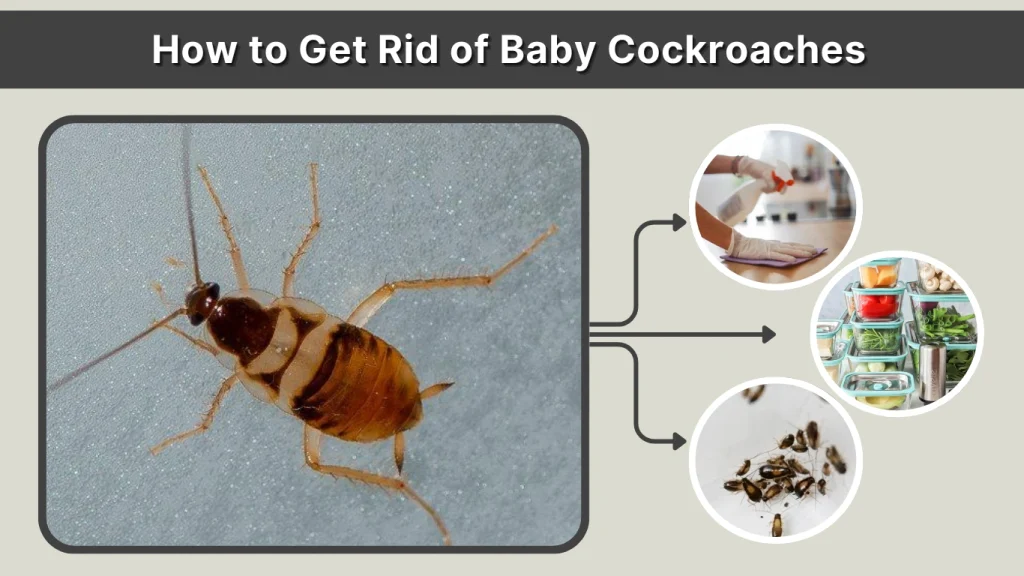
Getting rid of baby cockroaches requires a combination of immediate action and long-term control methods. Because nymphs indicate active breeding, treatment should focus on eliminating both visible roaches and their hidden nesting areas.
Immediate Steps to Take
Start by thoroughly cleaning your home. Remove food crumbs, spills, and grease buildup from kitchen surfaces, floors, and appliances. Store food in sealed containers and avoid leaving pet food out overnight. Reducing clutter is also important, as baby cockroaches hide in cardboard boxes, paper stacks, and tight spaces.
Next, address moisture issues. Fix leaking pipes, wipe down sinks, and use dehumidifiers in damp areas. Sealing cracks and crevices around walls, cabinets, and baseboards helps limit hiding places and prevents cockroaches from spreading.
Home Remedies and DIY Methods
Several DIY treatments can help reduce baby cockroach populations. Boric acid and diatomaceous earth are commonly used powders that damage cockroaches’ exoskeletons, leading to dehydration. These should be applied in thin layers along baseboards, behind appliances, and near suspected nesting areas.
Bait stations can also be effective, as nymphs feed on poisoned bait and carry it back to the nest. However, homemade remedies such as baking soda or essential oils are often unreliable and may not eliminate an infestation completely.
Professional Pest Control Options
If baby cockroaches continue to appear despite DIY efforts, professional pest control may be necessary. Pest control professionals use targeted treatments such as gel baits, insect growth regulators, and residual sprays that disrupt cockroach reproduction and development. These methods are especially effective for severe infestations and help prevent future outbreaks.
How to Prevent Baby Cockroach Infestations
Prevention is the most effective way to avoid dealing with baby cockroaches again. Maintaining a clean and dry home environment plays a major role in cockroach control.
Regularly clean kitchen surfaces, sweep floors, and take out trash daily. Seal food containers tightly and avoid storing food in open packaging. Reducing moisture by ventilating bathrooms and kitchens, repairing leaks, and emptying drip trays also helps make your home less attractive to cockroaches.
Routine home maintenance is equally important. Seal cracks, repair damaged screens, and reduce clutter to eliminate potential hiding and breeding spots.
FAQs
How big are baby cockroaches?
Baby cockroaches typically measure between ⅛ inch and ¼ inch in length. Their size depends on their species and age, and they grow larger as they molt through different developmental stages before reaching adulthood.
Do baby cockroaches mean there is an infestation?
Yes, seeing baby cockroaches almost always indicates an active infestation. Because nymphs stay close to their nesting areas, their presence suggests adult cockroaches are breeding nearby within your home.
How fast do baby cockroaches grow?
Baby cockroaches grow quickly under favorable conditions. Depending on the species, they can mature into adults within two to four months, shedding their skin multiple times during the process.
Can baby cockroaches fly?
No, baby cockroaches cannot fly. They do not have wings during the nymph stage. Wings only develop once the cockroach reaches full adulthood.
How long do baby cockroaches live?
Baby cockroaches can live several weeks to a few months as nymphs, depending on environmental conditions and species. Their full lifespan, including adulthood, can range from several months to over a year.
Conclusion
Baby cockroaches are more than just a nuisance; they are a clear warning sign of an underlying infestation. Early identification, proper sanitation, and targeted control methods are essential to stop their rapid reproduction. By combining immediate action with long-term prevention strategies, homeowners can effectively eliminate baby cockroaches and reduce the risk of future infestations.