
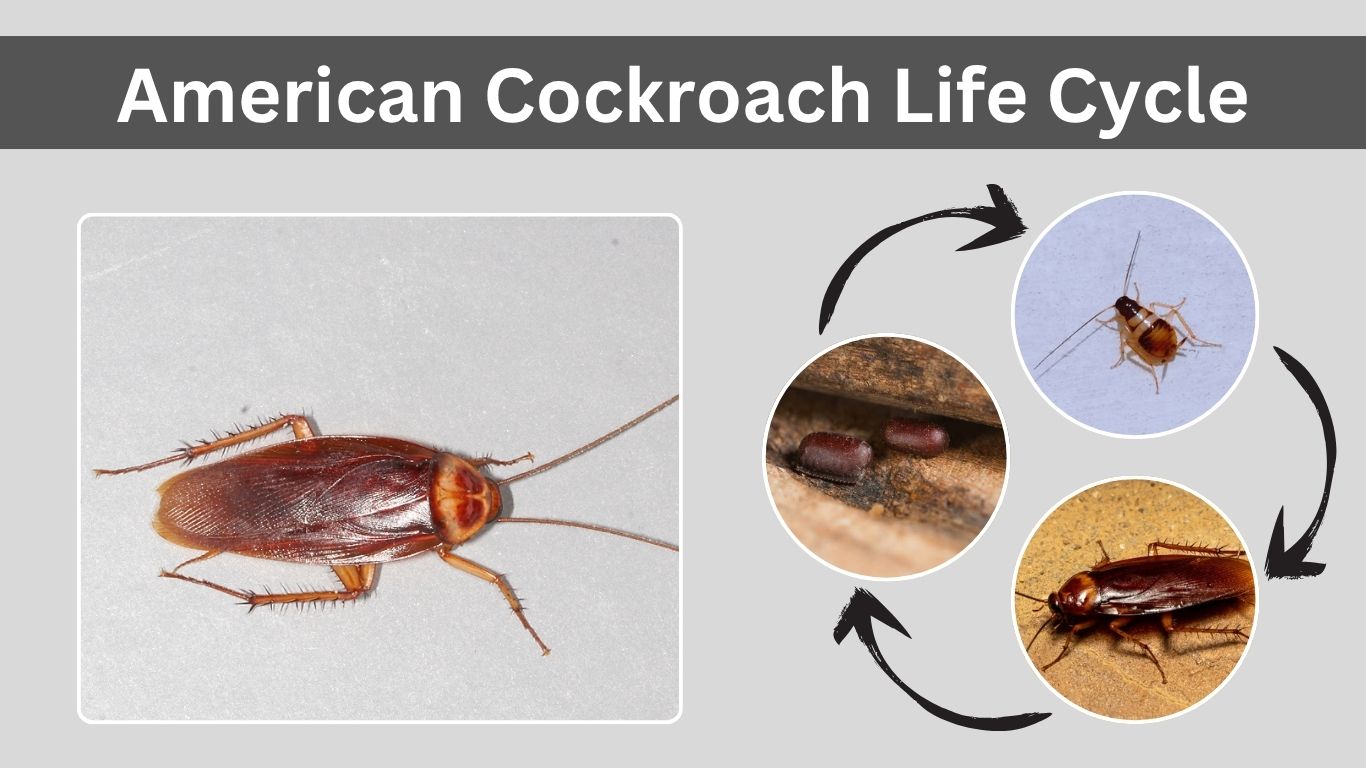
The American cockroach (Periplaneta americana) is one of the largest and most resilient household pests found across the world. Known for its reddish-brown body and rapid movement, this species often thrives in warm, humid areas such as basements, drains, and sewers. Because of its adaptability and survival instincts, the American cockroach is a persistent invader in both residential and commercial spaces. To control infestations effectively, it is important to understand its life cycle, which includes three major stages: egg, nymph, and adult.
Overview of the American Cockroach
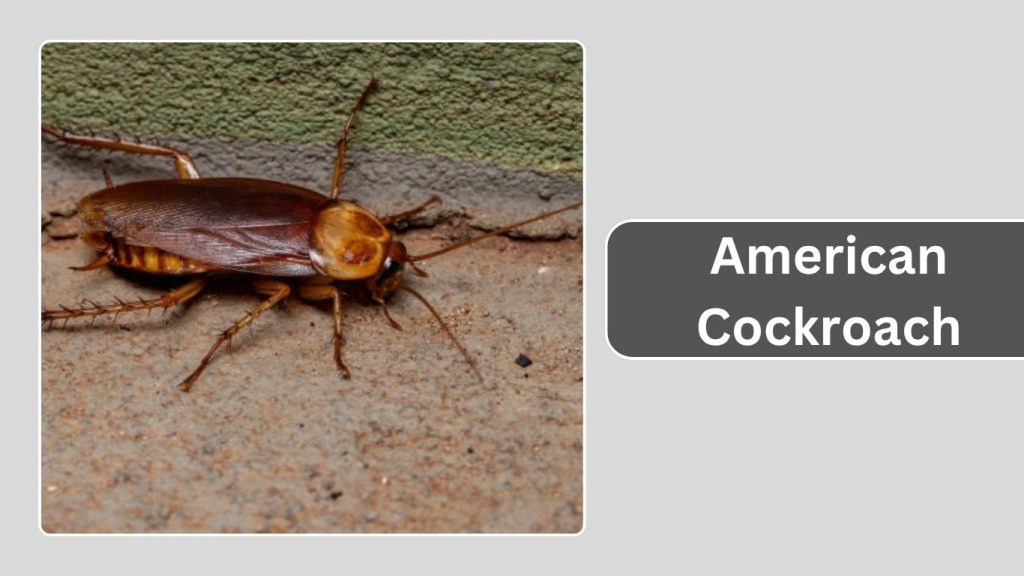
American cockroaches are not only a nuisance but also carriers of bacteria and allergens. Their ability to survive in harsh conditions, reproduce rapidly, and adapt to different environments makes them a significant public health concern. Unlike insects that undergo complete metamorphosis, American cockroaches develop through gradual metamorphosis, which means their young resemble smaller versions of adults and go through multiple molts before reaching maturity.
By examining each stage of their life cycle, we can identify when they are most vulnerable and how preventive measures or pest management strategies can be applied effectively.
Egg Stage
The American cockroach’s life begins in a protective case called an ootheca. Female cockroaches produce these egg cases after mating, and each ootheca typically contains between 14 to 16 eggs. The ootheca is dark brown and measures about 8 millimeters in length, with a tough outer shell designed to safeguard the developing embryos.
A single female can produce more than 15 to 20 oothecae during her lifetime, which means hundreds of offspring are possible from just one adult. After being laid, the female often attaches the ootheca to hidden surfaces near food and moisture sources, ensuring the eggs have a better chance of survival.
The incubation period varies with temperature and humidity, usually lasting between 6 to 8 weeks. In warmer, humid environments, eggs hatch faster, while in cooler or drier conditions, development slows down. This stage is crucial, as once the eggs hatch, a new generation of nymphs begins their journey toward adulthood.
Nymph Stage
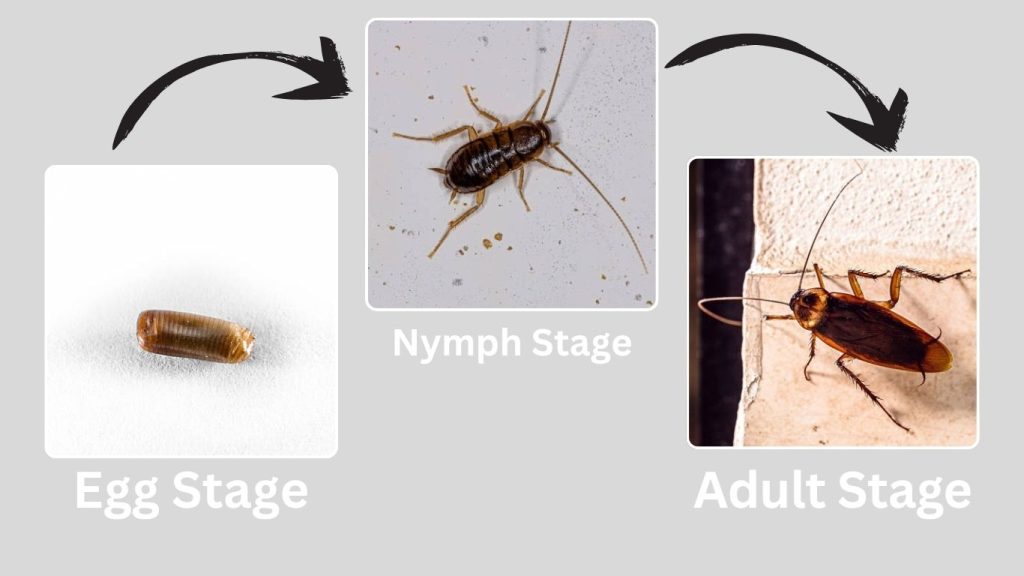
Once the eggs hatch, tiny nymphs emerge. These nymphs are wingless, lighter in color, and significantly smaller than adult cockroaches. Over time, they undergo a series of molts—shedding their exoskeletons to grow larger and gradually develop their adult features. This process may involve 10 to 13 molts before reaching maturity.
During the early stages, nymphs are whitish in color but quickly turn reddish-brown as their new exoskeleton hardens. As they molt, their size, strength, and mobility increase, making them more difficult to control as they mature. The nymph stage can last from six months up to a year, depending on environmental factors such as temperature, food supply, and moisture availability.
The lengthy nymph phase is one of the main reasons infestations often persist undetected. Since nymphs are small and often hidden in cracks, crevices, or damp areas, they can thrive unnoticed until their population becomes substantial.
Adult Stage
After completing their molts, nymphs transform into fully developed adult cockroaches. Adult American cockroaches are reddish-brown with a distinctive yellowish band behind the head. Their bodies measure between 1.5 to 2 inches in length, making them the largest common household cockroach species. Unlike nymphs, adults possess fully developed wings, which allow them to glide short distances, although they are better known for running quickly to escape danger.
The average lifespan of an adult American cockroach ranges from 6 months to 2 years, depending on environmental conditions. During this time, they actively reproduce, ensuring a constant supply of new generations. Mating occurs multiple times throughout their life, and females can produce numerous oothecae, contributing to large-scale infestations if left unmanaged. Adult cockroaches are nocturnal and prefer to stay hidden during the day, venturing out at night to forage for food and water.
Environmental Influences on the Life Cycle
The duration and success of the American cockroach’s life cycle are heavily influenced by environmental factors. Warmth and humidity play critical roles in their development. In tropical or temperate climates where humidity is high, the life cycle progresses faster, with eggs hatching sooner and nymphs maturing more quickly. Conversely, in cooler or drier environments, development slows significantly.
Food and water availability are also vital. American cockroaches are opportunistic feeders, consuming everything from crumbs and food scraps to paper, glue, and even decaying matter. Adequate resources shorten the nymph stage, enabling faster population growth. Seasonal patterns may also affect their activity levels, with peak infestations often observed during warmer months. These influences explain why infestations can escalate rapidly when conditions are favorable.
Importance of the Life Cycle in Pest Control
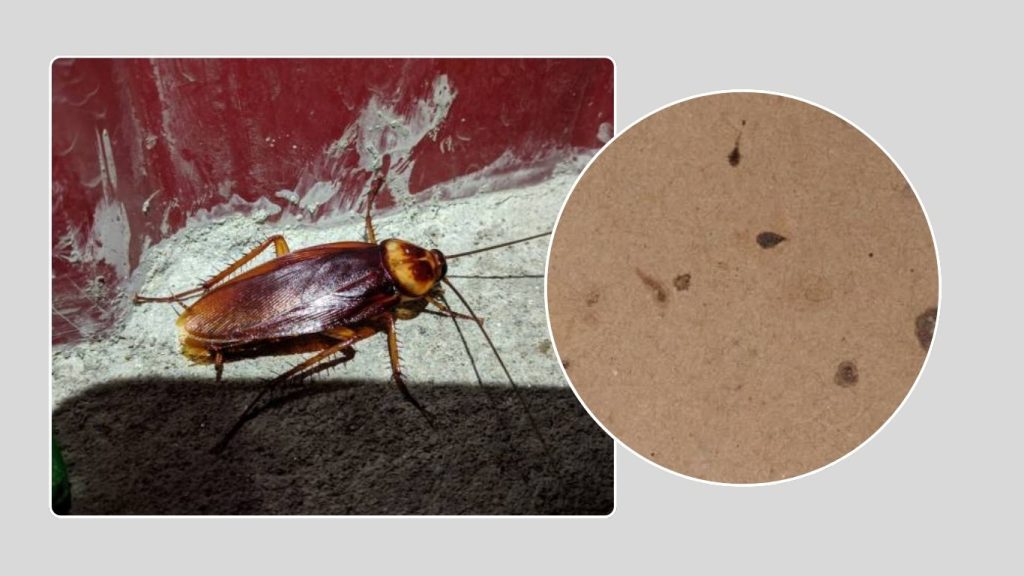
Understanding the life cycle of American cockroaches is essential for effective pest management. Different stages present varying levels of vulnerability, and targeting them strategically increases the chances of successful control.
- Egg Stage: Since oothecae are hidden in sheltered areas, removing clutter and sealing cracks can reduce their chances of hatching.
- Nymph Stage: This stage is particularly vulnerable to insect growth regulators (IGRs) and sanitation efforts, as nymphs depend on food and water to survive.
- Adult Stage: Adults can be managed with traps, baits, and residual insecticides. However, their reproductive ability means eliminating them quickly is crucial before new oothecae are produced.
An integrated pest management (IPM) approach, which combines sanitation, exclusion, monitoring, and targeted chemical treatments, is the most effective strategy. By focusing on the biology and development cycle, pest control efforts can break the reproduction chain and achieve long-term results.
Conclusion
The American cockroach’s life cycle consists of three main stages: egg, nymph, and adult. Each stage has unique characteristics and vulnerabilities influenced by environmental conditions such as temperature, humidity, and food availability. With lifespans stretching up to two years and the potential for hundreds of offspring, infestations can grow rapidly without proper control. By understanding their development and applying targeted strategies, households and businesses can significantly reduce the risks posed by these persistent pests.
FAQs
What is the lifespan of an American cockroach?
American cockroaches can live anywhere from 6 months to 2 years. Their lifespan depends largely on environmental conditions such as temperature, humidity, and food supply. In favorable conditions, adults tend to survive longer, allowing them to reproduce more and sustain larger infestations if not controlled effectively.
How long does it take for an egg to hatch?
The incubation period of American cockroach eggs is generally 6 to 8 weeks. However, this can vary based on temperature and moisture levels. Warmer, humid environments speed up development, while cooler or drier conditions extend the incubation period, delaying the hatching of the nymphs.
Do American cockroaches fly during their adult stage?
Adult American cockroaches have wings and are capable of gliding short distances. However, they are not strong fliers and prefer to run quickly when threatened. Their wings are mostly used as a survival tool, helping them escape predators or move from one sheltered area to another.
How many eggs can one female produce in her lifetime?
A single female American cockroach can produce between 15 and 20 oothecae, each containing around 14 to 16 eggs. This means a single female is capable of producing hundreds of offspring during her lifetime, making infestations spread rapidly if preventive measures are not taken.
What environmental factors speed up their development?
Warmth, humidity, and readily available food significantly speed up the development of American cockroaches. In such conditions, eggs hatch faster, nymphs mature quickly, and adults reproduce more efficiently. This is why infestations are often more severe in warm, moist environments like kitchens, sewers, and basements.